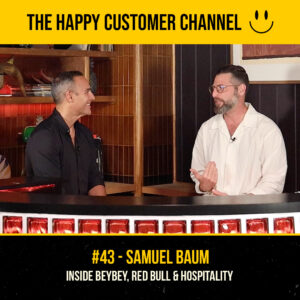
FULL EPISODE HERE
How Consistency Builds Trust, Brand, and Legacy: Business Lessons from Raven’s 50-Year Running Ritual
Most brands try to earn attention through campaigns, positioning, and visibility. Raven’s story shows another path: show up consistently for long enough, and trust becomes your brand. In this episode, we explore how a personal running ritual born from pain and loss evolved into a lasting symbol of discipline, creativity, service, and community. The core idea is simple but commercially powerful: consistency, when paired with authenticity and usefulness, can create influence that no marketing strategy can manufacture.
What This Episode Covers
This conversation examines how Raven transformed a deeply personal habit into a public legacy through repetition, resilience, and service. It is a story about identity, endurance, and the business value of becoming known for something people can count on.
- How adversity became the starting point for long-term purpose
- Why consistency builds trust faster than self-promotion
- How rituals create belonging and strengthen community
- What authentic personal branding looks like in practice
- Why leadership often means helping people persist through difficulty
- How simple habits compound into influence over time
- The connection between routine, creativity, and sustained relevance
Key Insights
Consistency Is the Fastest Path to Trust
People do not form trust based on a single message. They form it by watching what someone does over and over again. Raven’s decades-long commitment to the same core behavior made him credible because it removed doubt. For leaders, founders, and sales professionals, the lesson is direct: reliability is more persuasive than claims. When your actions become predictable in the best sense, people stop evaluating your intent and start believing in your standard.
Pain Can Become Purpose When Redirected Into Discipline
Raven’s journey began as a response to anger and loss, not as a carefully designed life strategy. That matters because many meaningful missions begin in disruption. The business takeaway is not to romanticize hardship, but to recognize that setbacks can create clarity when they are converted into consistent action. Teams and leaders often find their strongest positioning after a challenge forces them to define what they stand for and what they will keep doing regardless of circumstances.
Community Grows Through Participation, Not Observation
Strong communities are not built by attracting passive audiences. They are built by giving people a way to belong. Raven did this through repeatable experiences, memorable rituals, and a culture that made people feel included. This is highly relevant for modern brands: loyalty deepens when customers, team members, or followers feel part of something shared. Rituals, symbols, traditions, and recognizable moments all increase emotional attachment and strengthen retention.
Authenticity Outperforms Manufactured Persona
Raven did not build influence through image management. He built it through conviction, consistency, and visible truth. That is why his personal brand feels durable. In business, authenticity is often misunderstood as casual self-expression. In reality, it is alignment between what you say, what you do, and what people experience from you over time. Brands become powerful when they are not performing an identity, but proving one repeatedly.
Leadership Means Helping Others Reach the Next Milestone
One of the most practical lessons in the episode is that leadership is not always grand or charismatic. Often, it is the ability to help someone endure the next difficult stretch. Raven’s example reflects a form of leadership rooted in calm encouragement, structure, and forward movement. In organizations, this applies directly to change management, coaching, and culture-building. Strong leaders reduce overwhelm by turning long journeys into reachable next steps.
Longevity Comes From Repeatable Habits, Not Intensity Spikes
There is a major difference between being impressive for a moment and being relevant for decades. Raven’s story is a case study in the power of simple, sustainable discipline. Businesses often chase breakthroughs while neglecting the systems that produce long-term performance. The stronger strategy is usually less dramatic: identify the habits that create value, make them repeatable, and protect them over time. Endurance beats bursts.
Service Deepens Influence
Raven’s impact was not only about personal performance. It was also about helping others, including in moments of real crisis. That is what turns admiration into loyalty. Influence becomes deeper when people associate you not only with excellence, but with care. For business leaders, this is a critical distinction. Customers, employees, and communities remember who helped them when it mattered. Service converts reputation into trust that lasts.
Creativity Compounds Through Routine
The episode also highlights an often-overlooked idea: disciplined repetition creates the mental space for creativity. Raven’s consistency was not limiting; it was generative. In business, routines often appear operational, but they can also be creative infrastructure. When core habits reduce noise and create mental clarity, ideas surface more consistently. This matters for founders, executives, and creators alike: sustainable output usually comes from structured rhythm, not random inspiration.
Framework
Incremental Motivation Framework
- Set a clear but manageable next milestone
- Tie the milestone to an immediate reward
- Reinforce belief during the hardest stretch
- Use proof of progress to carry people to completion
This framework is especially useful in leadership, coaching, sales, and team performance. Rather than asking people to carry the full weight of a long journey, break progress into visible wins. Momentum increases when the next step feels reachable.
Identity Through Repetition
- Choose a core behavior
- Repeat it consistently over time
- Let others associate you with that standard
- Turn the behavior into a recognizable ritual or brand
This is one of the clearest business lessons from the episode. A brand is often not what you announce, but what you become known for through repeated proof. The more consistent the behavior, the stronger the association.
Community via Ritual
- Create a repeatable shared activity
- Make participation memorable
- Add symbols of belonging, such as nicknames or traditions
- Allow the ritual to become the culture
Ritual is a strategic asset. It turns participation into identity and transforms a group of individuals into a community. For companies, this can shape onboarding, customer experience, events, internal culture, and brand loyalty.
Key Takeaways
- Trust is earned through repeated action, not isolated messaging.
- Personal adversity can become a durable source of purpose when directed into disciplined habits.
- Community forms when people can participate in a shared ritual, not just watch from the outside.
- Authenticity creates stronger brand equity than carefully manufactured image.
- Great leaders help people move one milestone at a time.
- Longevity depends on sustainable habits more than short-term intensity.
- Service strengthens influence because people remember who helped them when it mattered.
- Creativity often grows out of consistent routines and lived experience.
Who This Is For
This episode is especially relevant for founders, executives, sales leaders, marketers, creators, and anyone building a personal or organizational brand. It is also valuable for operators and team leaders who want to understand how culture, loyalty, and long-term credibility are actually built. If your work depends on trust, consistency, retention, or influence, Raven’s story offers a practical model. It is particularly useful for people tired of short-term growth tactics and looking for a more durable approach to relevance.
Watch the Full Episode
Watch the full episode to hear how Raven turned a personal survival mechanism into a global symbol of endurance, belonging, and impact. His story offers more than inspiration; it provides a practical example of how discipline and authenticity can become a long-term competitive advantage. For any leader interested in building trust that lasts, this conversation is worth your time.
FAQ
What is the main business lesson from Raven’s story?
The main lesson is that consistency builds trust, and trust compounds into brand equity, loyalty, and influence. Raven became memorable not because he promoted himself aggressively, but because he showed up with the same standard for decades.
How does this episode apply to leadership and team building?
It shows that leadership often works through example, structure, and encouragement rather than dramatic speeches. By helping people focus on the next milestone and giving them a sense of belonging, leaders can create stronger resilience and performance.
Why is authenticity such a central theme in this episode?
Because Raven’s influence came from lived behavior, not constructed image. The episode makes clear that people respond more strongly to real conviction and consistent action than to polished persona, which is a critical lesson for modern brands and business leaders.