
Customer-focused sales discovery questions help a salesperson understand the work a buyer needs to improve before recommending a solution. Ask about a recent example, the current workaround, the desired change, and the people involved. Then agree on a next step that fits what you learned.
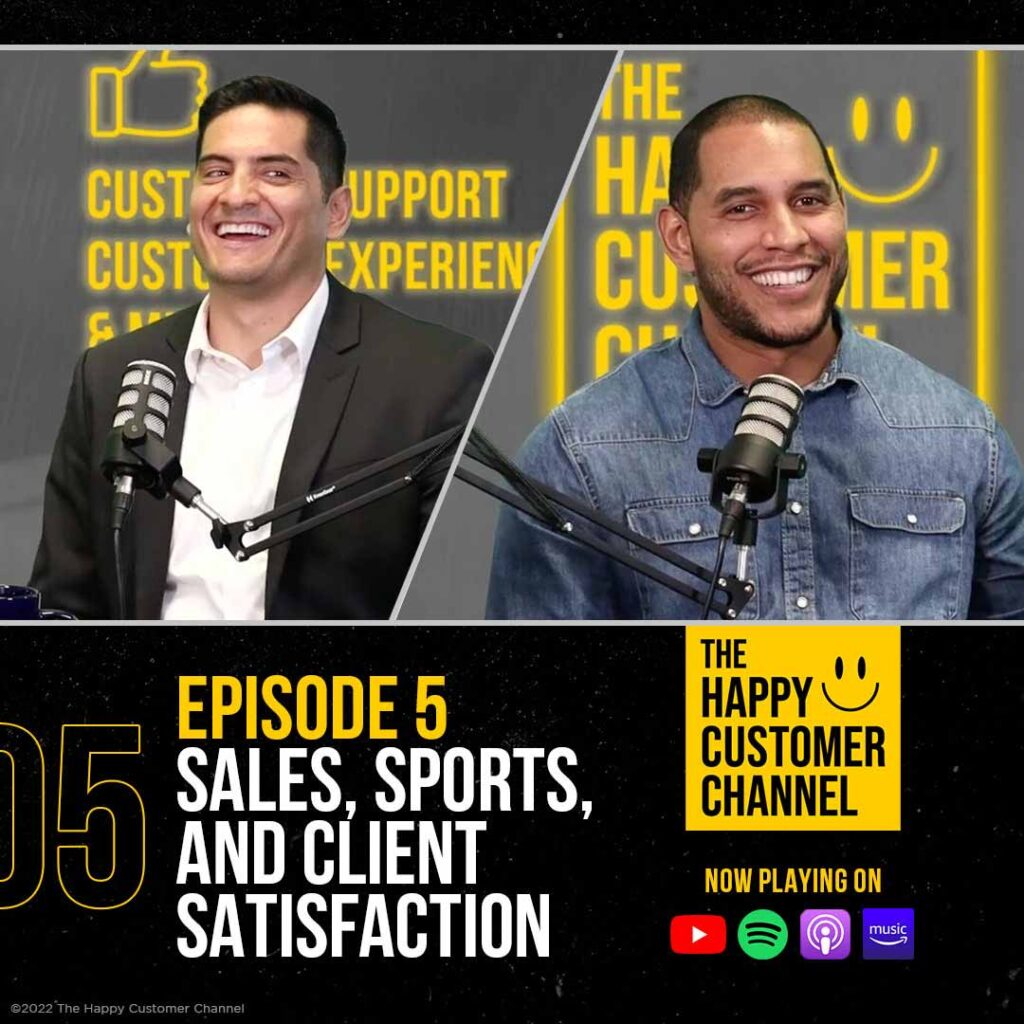
In Episode 5, Erwin Jacobo distinguishes chasing a sale from understanding the customer and offering a useful solution. He connects new business with lasting client relationships. The practical tool below is THCC’s editorial application of that discussion; it is not a checklist the guest delivered word for word.
Begin with work the customer can describe
“Tell me about the last time this happened” usually gives you more to investigate than a broad request for a wish list. Ask what triggered the task, who became involved, and what the customer did when something failed. Let the answer shape the next question.
A question list is preparation, not a script to complete regardless of the conversation. If the buyer already explained a constraint, acknowledge it. Repeating a question simply because it appears next on your form can make the conversation feel disconnected.
Use these discovery prompts
- What prompted you to look at this now?
- How are you handling the work today?
- Can you describe a recent example that did not go as planned?
- What would a useful improvement allow your team to do?
- Who else performs the work or needs to evaluate a change?
- Which constraints should we understand before proposing an approach?
- What information would help you decide on a next step?
Avoid turning a question into a disguised claim about your product. If you need to demonstrate a capability, first confirm that it addresses the customer’s actual concern. Be clear when a capability or result still needs verification.
Write a short discovery record
Capture the trigger, current workflow, practical impact, desired change, involved roles, and unresolved questions. Add the customer’s agreed next action. Keep a customer statement separate from a salesperson’s interpretation so the team can tell which assumptions need checking.
For a fictional service provider, the buyer may ask for more staffing while describing missed updates between shifts. That discovery does not prove staffing is unnecessary. It gives both parties a specific handoff to investigate before choosing a solution.
Close with an accurate recap
Summarize what you understood and invite correction. Explain what you can demonstrate, what requires further investigation, and who will provide the next information. A useful recap should help the customer recognize their own problem in the proposed next step.
What if the customer is not a fit?
Say where the fit is uncertain and avoid promising a capability you cannot provide. A discovery call has produced useful information when it prevents an unsuitable commitment as well as when it leads to a relevant proposal.
Watch the source conversation
Watch Episode 5 for the complete interview and its original context.
Continue with the pre-sale customer experience, or explore more customer experience conversations and guides.