
A first customer review meeting should compare the original promise with the customer’s actual experience. Confirm what is working, identify unfinished work, and agree on specific next steps. The meeting becomes useful when both sides leave with the same understanding of what happens next.
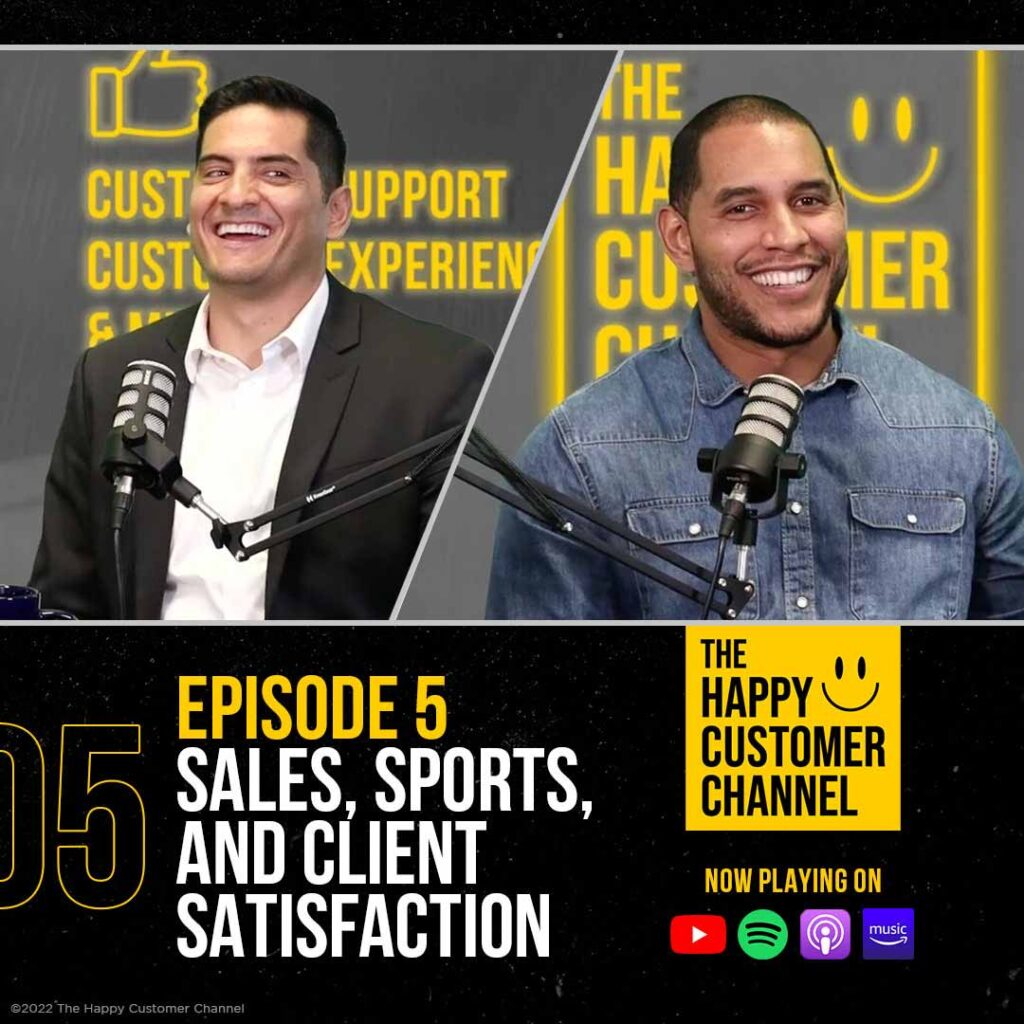
In Episode 5, Jacobo discusses the satisfaction of keeping long-term customer relationships alongside the excitement of winning new business. The practical tool below is THCC’s editorial application of that discussion; it is not a checklist the guest delivered word for word.
Prepare from the customer’s starting goal
Review the original objective, onboarding record, and unresolved commitments before scheduling the conversation. Ask the customer which people should join and what they want to address. A review about daily use may need different participants from a commercial renewal discussion.
Bring evidence you can explain. If usage information is incomplete, label it. Do not assume low recorded activity means the customer is dissatisfied, or that a completed internal onboarding checklist means they can use the service independently.
Use this five-part agenda
- Original goal: Is the reason for buying still accurate, or has the customer’s situation changed?
- Actual experience: What has the team tried, used, or found difficult?
- Open commitments: What remains unresolved, and what is its practical impact?
- Next improvement: Which useful action should happen first?
- Ownership: Who will do what, and when will both sides review the result?
Give the customer space to describe the work before presenting a long performance deck. A fictional buyer may be comfortable with the product but unable to get a colleague set up. That creates a different next action from a dissatisfaction with the core service.
Keep the action recap short
- What the customer confirmed about their goal and experience.
- The unresolved issue or opportunity, without overstating the evidence.
- The next action and its named owner.
- The agreed update or review point.
Send the recap through the agreed channel and invite correction. Keep proposed actions separate from completed work. If another team must deliver the next step, make that handoff visible to the account owner.
Should the first review include an upsell?
An additional service may be relevant, but first understand the current experience and any unfinished promise. Explain why an option fits the customer’s stated need. Do not turn the meeting into a sales presentation that leaves the original problem unaddressed.
Use patterns across these reviews to improve onboarding and delivery. A recurring question may belong in the standard customer guidance; a recurring failure may require an operating change.
Watch the source conversation
Watch Episode 5 for the complete interview and its original context.
Continue with the customer experience after purchase, or explore more customer experience conversations and guides.