
Founder story interview questions should uncover decisions and experiences that explain how a company developed. Ask what happened, what alternatives people considered, and who else was involved. Then separate a person’s memory from details that need confirmation before becoming part of the published company history.
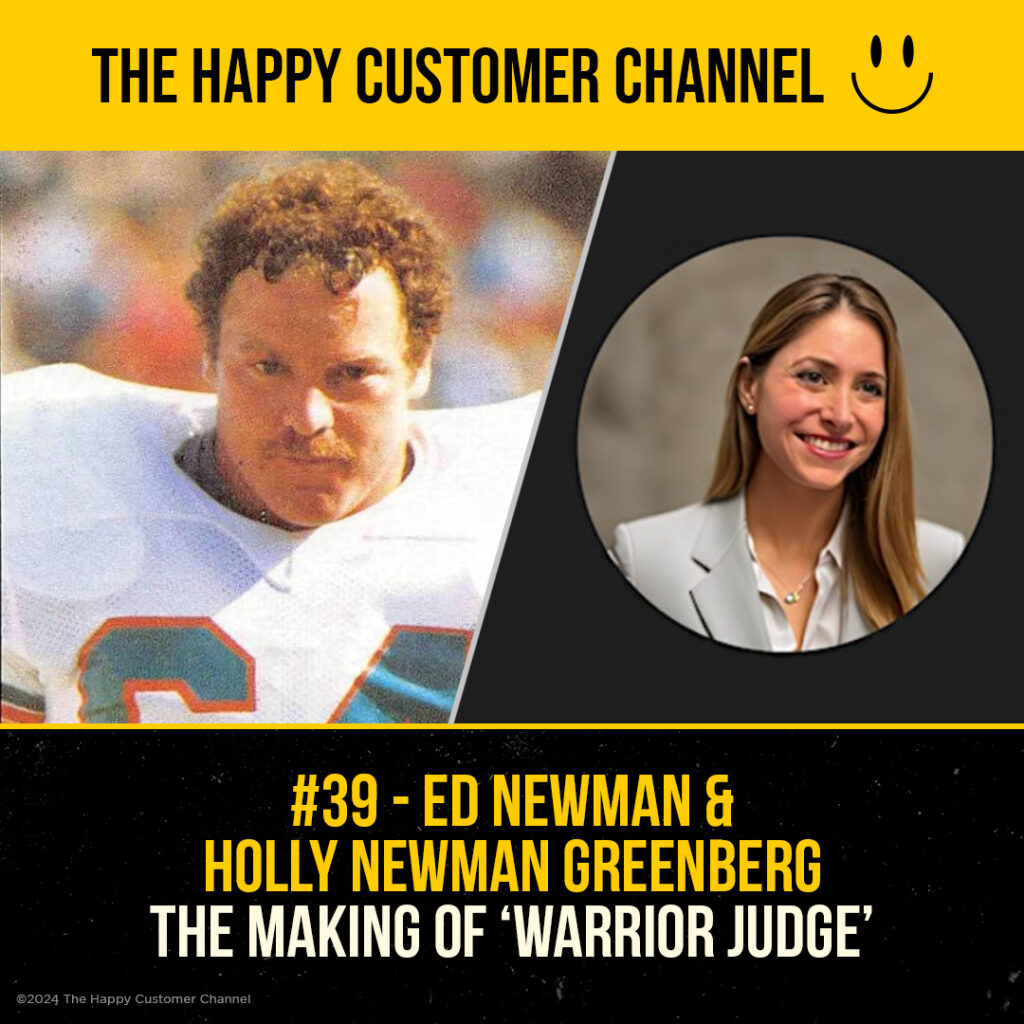
In Episode 39, Holly Newman Greenberg describes beginning a book with regular interviews with her father, Ed Newman, who later became a co-author and editor. The interview is from March 2024. The practical tool below is THCC’s editorial application of that discussion; it is not a checklist the guest delivered word for word.
Interview for scenes and decisions
A broad question about success may produce a polished summary. A question about a particular customer, setback, or turning point can reveal the work behind it. Ask the founder to describe the situation before asking for the lesson.
Break a long history into manageable conversations. Organize by period or decision rather than expecting one interview to produce a complete and accurate narrative. Give the participant room to remember additional details later.
Use these founder interview prompts
- What problem were you trying to solve at the beginning?
- What did the first version of the work look like?
- Which decision changed the direction of the company?
- What information did you have at the time?
- Who helped make the decision or perform the work?
- What went differently from what you expected?
- Which part of this story can a document or another participant help confirm?
Follow the specific answer. If the founder mentions a difficult customer promise, ask what was promised and how the team responded. Avoid forcing each event into an inspirational conclusion before understanding its context.
Create a record the editorial team can verify
Keep the recording or notes, the proposed factual statement, the evidence available, and any unresolved question together. Ask for the appropriate permission before recording or using a quotation. Confirm names, dates, roles, and details about other people rather than treating the interview as automatic publication clearance.
Where memories differ, record the difference and investigate. A founder’s perspective can be valuable without being presented as the only possible account. Do not convert an uncertain recollection into a precise factual claim for the sake of a stronger headline.
Review the story without erasing its useful detail
Ask reviewers to distinguish factual corrections, confidential material, and preferred wording. That makes a revision easier to evaluate than a request to “make the story stronger.” Keep the actual decision, tradeoff, and contribution of others visible.
Does every company history need a book?
No. A focused article, interview series, or internal archive may suit the purpose. Choose the format after clarifying who will use the story and what it should help them understand.
Watch the source conversation
Watch Episode 39 for the complete interview and its original context.
Continue with listening carefully in leadership conversations, or explore more entrepreneurship conversations and guides.