
Restaurant customer experience depends on the connection between what a venue promises and what its team delivers. Design, music, and marketing can establish an identity. A guest then experiences that identity through the people who greet them, answer a question, and respond when something needs attention.
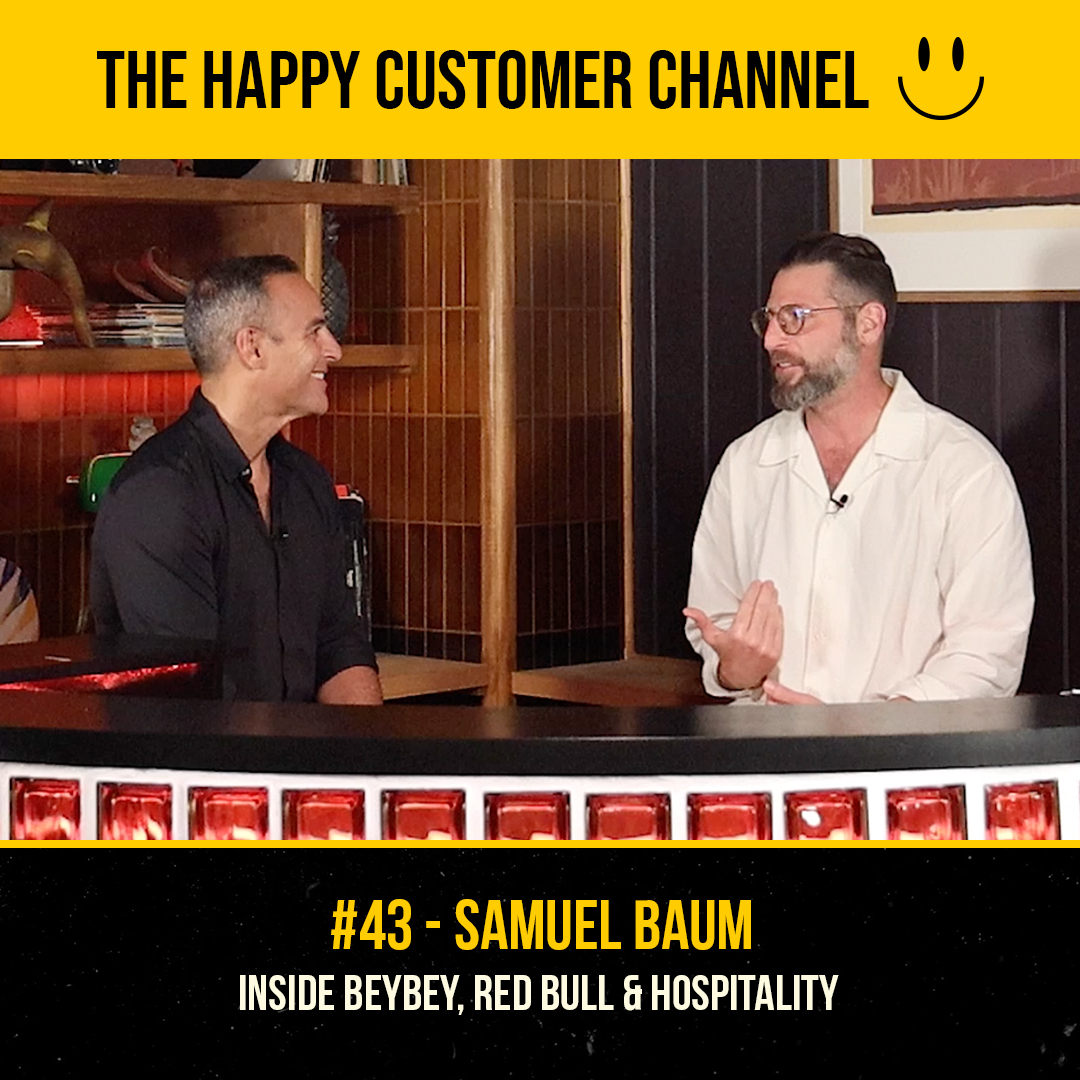
In his 2024 conversation with Dan Arriola, Samuel Baum discusses BeyBey Miami as a restaurant, lounge and event space. He describes an ambition to make the venue welcoming and familiar, with a strong sense of place. His account shows how decisions about the space can guide the people delivering service.
Give the service team a clear explanation of the promise
Baum describes spending time with people on the service side to discuss the music, artwork, furniture, and intended feeling of the space. Those conversations connected creative choices to the experience the team was trying to deliver.
The practical question for another operator is whether the team can explain what the venue is trying to make a guest feel. A phrase such as “welcoming” becomes more useful when people can connect it to a greeting, a recommendation, or the way they handle uncertainty.
Connect marketing decisions to operating decisions
In the interview, Baum gives credit to the operations team and describes working to reduce separation between the creative and service sides. A brand idea can become difficult to deliver when the people setting expectations and the people serving guests rarely compare notes.
THCC’s article on operating standards in customer experience develops the same operating question: how will the promise show up in the work? For a restaurant, the answer might involve the way a team explains a space, recognizes a guest’s needs, or hands a concern to the person who can resolve it.
Recognize that guests can arrive with different intentions
Baum describes differences between guests focused on a dining experience and later guests who also want the energy of a night out. He discusses people with culinary and nightlife experience learning from one another as the team develops.
Consistency does not require treating every visit as identical. A useful standard can preserve the venue’s purpose while allowing the team to understand why a particular guest is there. The challenge is to adapt thoughtfully while keeping the underlying promise clear.
Use a short brand-to-service review
This review is THCC’s editorial application of the interview. It can help a team turn a broad identity into specific conversations about service.
- Promise: what should a guest understand about the experience before arriving?
- Touchpoint: where will a person on the team make that promise tangible?
- Context: how might an early dinner, a later visit, or an event change the guest’s needs?
- Handoff: who takes the next action when a request crosses roles?
- Feedback: what should the team discuss after a difficult or successful service?
For an illustrative team review, choose one advertised event. Ask the marketing team what a guest is likely to expect, then ask the service team what it needs to deliver that experience. Agree on the person who handles a request that crosses roles and review any gap before guests arrive. This exercise is THCC’s application of the interview; it is not a reported BeyBey procedure.
Let programming support a coherent experience
Baum also talks about regular programming and programming around larger cultural moments. His emphasis in the conversation is on developing the concept in an authentic way with people who fit what it is trying to do.
For an operator, this suggests a useful test: can you explain how an event belongs to the venue and how it will affect the service experience? An appealing promotion still needs a plan for the expectations it creates. Use THCC’s customer experience resources and customer service conversations to explore that connection further.
Questions hospitality teams ask
What connects a restaurant’s branding to customer experience?
The connection becomes visible in the decisions and interactions that guests experience. A team that understands the intended identity can make more informed choices about communication, service, and follow-through.
Does a consistent experience require the same service in every situation?
A consistent purpose can support different responses to different needs. Baum’s discussion of dining and nightlife teams illustrates why staff need shared understanding alongside their specialist experience.
Watch Samuel Baum’s conversation
The published chapters at 16:19 and 21:15 cover the concept and service consistency. Watch Samuel Baum’s full Episode 43 interview for the original context.