
A useful creative routine gives you a manageable point of return: when you will work, which small task you will begin, and where you will leave the next step. Plan for interruptions as well as productive sessions. The aim is a project you can continue, rather than a perfect streak.
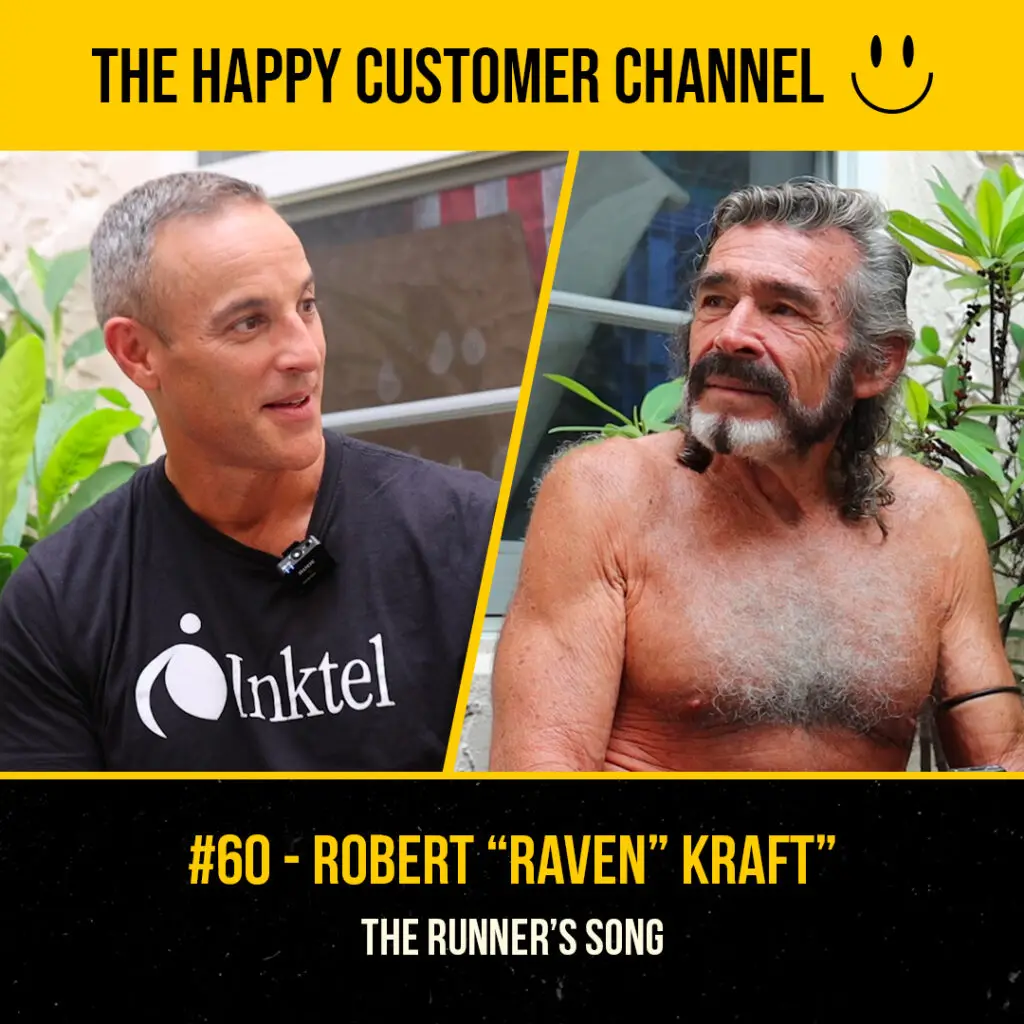
In Episode 60, Robert “Raven” Kraft’s original 2024 conversation connects a recurring running routine with songwriting and community. These themes are documented in the episode description and chapters. The practical tool below is THCC’s editorial application of that discussion; it is not a checklist the guest delivered word for word.
Choose a concrete unit of work
“Work on the project” leaves the starting decision unresolved. A clearer task might be outlining one interview section, reviewing a draft, or testing a musical idea. Pick something that produces an observable piece of work within the time available.
Keep starting and finishing tasks separate. A first draft needs different attention from a final edit. If every session is expected to do both, it becomes harder to see what progress actually occurred.
Use this weekly creative-session plan
- Purpose: What larger project does this session support?
- Available window: When can you realistically work?
- Starting task: What will you open or attempt first?
- Visible output: What record will show what you tried?
- Next step: What should your future self do when returning?
Make the plan small enough to fit the week you actually have. The rhythm described by another person can be inspiring without becoming a standard you must copy. A creative routine should reflect your responsibilities and the kind of work you are doing.
Leave a restart note
End a session with a few plain sentences: what you attempted, what you learned, what remains unclear, and the next concrete action. Keep the relevant file or notes easy to locate. This reduces the need to reconstruct the whole project every time you return.
For a fictional writer, a restart note might say that the opening example is drafted but one interview detail needs confirmation. The next session can begin with that check rather than a general decision to “get back into writing.”
Review the routine without turning it into a verdict
If sessions repeatedly do not happen, examine the timing, task size, or missing input. Change the plan rather than treating an interrupted week as proof that the project has failed. A record of actual work gives you something useful to adjust.
Should every session produce something publishable?
No. Research, experiments, and discarded approaches can be legitimate progress when they resolve a question. Record what changed in your understanding and choose the next step accordingly.
Watch the source conversation
Watch Episode 60 for the complete interview and its original context.
Continue with rebuilding structure during a career change, or explore more entrepreneurship conversations and guides.