
Podcast content between news spikes should give regular listeners a clear reason to return. Define the question your show helps them understand repeatedly, then plan useful coverage when no headline creates urgency. A burst of attention and a continuing listener relationship serve different editorial jobs.
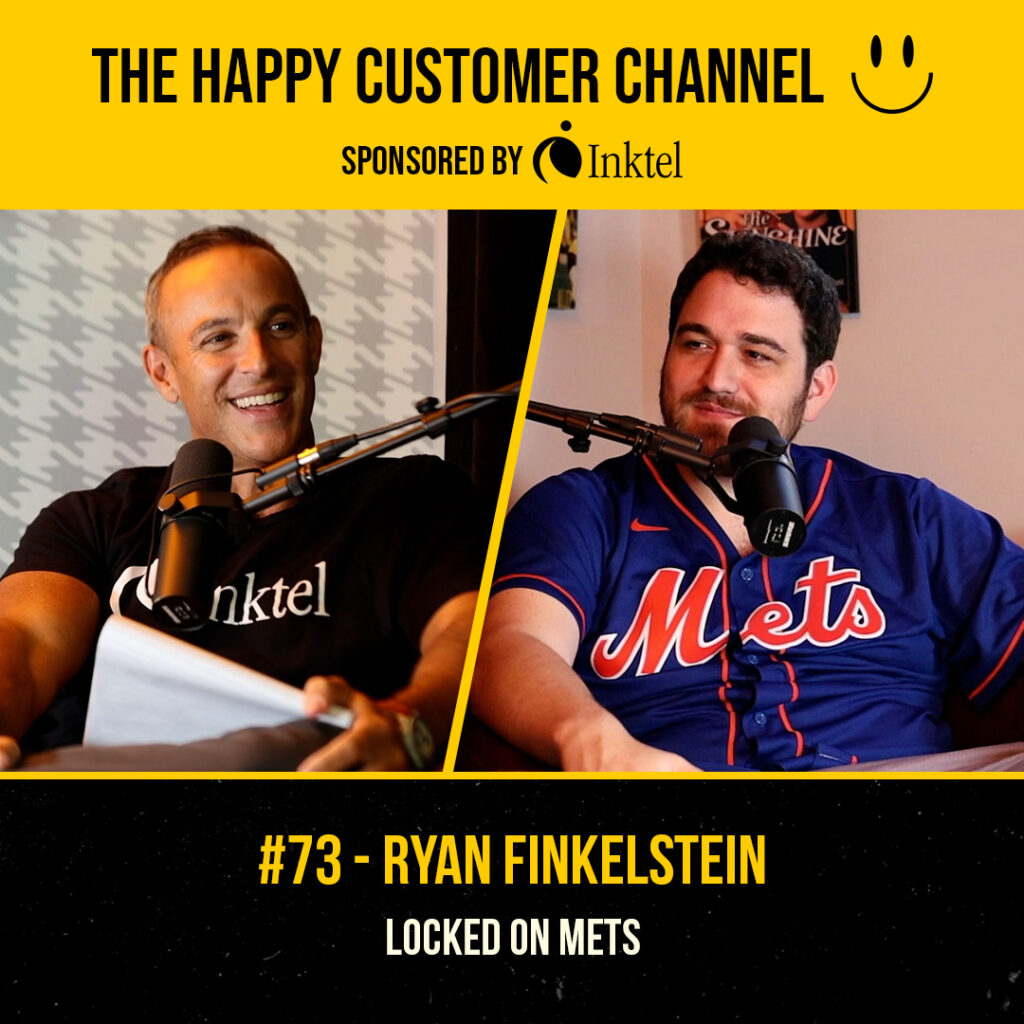
In Episode 73, Finkelstein describes regular listeners who fit a show into their routine and people who arrive around a major signing or trade. His examples come from a 2025 baseball conversation. The practical tool below is THCC’s editorial application of that discussion; it is not a checklist the guest delivered word for word.
Describe the routine your show supports
Ask what a listener expects to understand after a typical episode. For a business show, that may be how an operator made a decision. For a specialist sports show, it may be an informed interpretation of the latest game. The recurring promise should be specific enough to guide a quiet week.
Look at the questions people actually bring to the show through comments, conversations, or other available feedback. Keep observed questions separate from topics the team simply hopes people want.
Build a plan with more than one news dependency
- Recurring question: A topic listeners need help interpreting regularly.
- Current development: What has changed since the previous discussion?
- Evergreen context: An older conversation that helps explain the issue.
- Listener question: A relevant uncertainty worth answering directly.
- Next step: One useful related episode or guide, rather than an unrelated list.
These are planning categories, not a required mix or release schedule. Choose what your audience and team can support. A quiet week can still produce a useful answer; it does not need a manufactured controversy.
Help a news-driven visitor find the deeper archive
When an event brings a new visitor, introduce the regular promise of the show and link to a relevant starting conversation. A visitor interested in one guest may need context before choosing another episode.
For a fictional business podcast, an interview about a founder’s acquisition can point to a practical guide about the operating handoff. That path is useful because the subjects connect, not because every visitor is assumed to want the entire archive.
Evaluate attention and return behavior separately
Review the measures your platforms actually provide, keeping a one-time visit distinct from evidence of return listening. A large event-driven audience does not by itself establish that the show’s regular promise became clearer.
Should every headline become an episode?
Use the show’s audience question as a filter. A development belongs when the team can offer relevant context. Covering an unrelated headline solely because it is popular can make the regular listener’s reason to return less clear.
Watch the source conversation
Watch Episode 73 for the complete interview and its original context.
Continue with recognizing quiet disengagement in customer relationships, or explore more entrepreneurship conversations and guides.