Have you ever noticed how most “best business podcasts” lists are written by people who’ve never had skin in the game? Why are we, as real operators, trusting sideline spectators to guide us through what’s actually worth our most limited asset—time? Let’s get one thing straight: Operators think differently. You’re not searching for motivation. You’re looking for the best business podcasts that deliver real insights, raw war stories, operational discipline, and practical lessons you can use now. If you’re still relying on influencer “top 10” lists, it’s time for a new approach.
Why Most “Best Business Podcasts” Lists Fail Operators
Let’s cut through the noise. Most lists floating around are designed for mass consumption, not for the operator stuck in the mud, moving real numbers. These lists are built for clicks. Not for leaders. You’ve seen them—celebrity entrepreneurs, the same recycled episodes, and zero context on operational pain. It’s all sizzle, no steak. If you’re building, leading, or scaling with real consequences, you need sharper criteria. Theory doesn’t drive outcomes. Action does. Decision-makers need podcasts that shine light on tough, nuanced, and unsexy parts of business—where customer trust is earned, where leadership discipline gets tested, and where results speak louder than hype. Most podcasts don’t get this. Most lists couldn’t care less.
Here’s what’s broken: Mass-market lists reward popularity, not value. They’re obsessed with founder fame, not operational scars. They rarely talk about what matters—what keeps you up at night. It’s the difference between entertainment and transformation. If you are a founder, owner, or senior leader driving real outcomes, your standards must be higher. The best business podcasts for operators are born in the trenches, not the greenroom.
The Operator’s Checklist—How to Find (and Vet) the Best Business Podcasts
Your time is expensive. So is bad advice. You need a ruthless system to sift real insight from recycled chatter. Here’s the checklist I use—and that I recommend to every operator who asks:
- Direct Operator Experience: Is the host or guest an actual operator? Real battle scars, not just LinkedIn influencer badges. If the answer is no, move on.
- Actionable Takeaways: Are there practical frameworks, concrete war stories, and “do-this-now” playbooks? If all you get is generic motivation, they’re not serving you.
- Focus on Customers: Is customer trust and lived experience a clear theme? Or is it just ego and empire-building? If the customer is an afterthought, find a show that gets it.
- Leadership Discipline in Practice: Are big leadership struggles discussed with honesty and humility? Or skipped over? Look for lessons hard won, not glossed over.
- Proof of Business Outcomes: Do you hear about real business impact—case studies, measurable wins, and open talk about failures? No accountability, no point.
Score every podcast you try. Ruthlessly discard what doesn’t measure up. Operators don’t have time for podcasts that make them feel busy without actually driving growth or trust. And if you want handpicked, no-fluff recommendations curated for real decision-makers, sign up for our no-fluff newsletter. No recycled lists. Just practical, tested value.
Turn Listening Into Leadership—Make Your Time Count
Let’s talk about what comes next. It’s not enough to just “find” a good podcast. Consuming isn’t the same as leading. What transforms a passive listen into an operator’s edge is what you do after you hit pause. Top business operators don’t just absorb. They act. Every episode is a chance to ask: Does this apply to my real challenges? How can I break this insight down for my leadership team, my frontline, even my customers? Filter every lesson through the demands of your business. Translate inspiration into action. Set one practical challenge for yourself or your team after every listen. Build the muscle of execution. That’s the difference between entertainment and advancement.
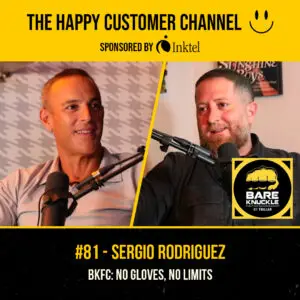
At The Happy Customer Channel, we design every episode to clear that bar. You want examples of operator discipline powering real business outcomes? You’ll find them here. Our recent conversations with true company-builders don’t just celebrate hero moments—they dig into the ugly, the hard, and the honest. That’s the level every “best” business podcast should meet. Don’t accept anything less. If your current queue isn’t bringing operational rigor and customer truth, it’s time to change your feed.
Final Thoughts
The best business podcasts aren’t about hype. And they’re never about the easy path. They’re about learning from the trenches and shaping those lessons into operational discipline—day after day. When you demand real, operator-level substance in podcast discovery, you’re not just sharpening your leadership. You’re setting a higher standard for everyone around you. Refuse to settle. Choose lessons that actually build trust with your customers and drive quantifiable results. Make every minute behind the headphones count—because your customers feel the difference.
If you want to go deeper and see this in action, watch our episodes made for operators—by operators. Don’t just listen. Level up.
Common Questions
How do I know if a business podcast is actually valuable for operators, and not just hype?
Listen… It’s not about a fancy intro or famous guests. It’s about who’s in the trenches and what scars they’ve got. Look for operator credentials. Demand specific frameworks, not just big ideas. Are they talking about real outcomes? Can you use their lessons in your next team meeting? If you’re asking, “Would I trust this advice with my own money or when a customer is on the line?”—and the answer isn’t a clear yes, move on. Mediocre stories are a distraction. Go where the value is proven, not promised.
What are the red flags of overhyped or empty business podcasts?
Here’s the reality: Empty podcasts are everywhere. They feature celebrities with perfect records. They serve up motivational soundbites by the bucket. And you rarely hear about a real failure, or how a decision hurt (or helped) a customer. If the word “customer” doesn’t show up? If every episode is just another victory lap? Run. You want insights from people who admit they’ve messed up, adapted, and improved. No scars, no substance.
How can I turn what I learn from podcasts into real-world action for my team?
What I’ve seen is this: Leaders who get value make every podcast practical. Listen for one strong, actionable takeaway per episode. Break it down in your next leadership huddle. Ask, “How would this apply to one of our current issues?” Then set a small metric or feedback loop to test it. Don’t just file it away—create accountability. At the end of the day, learning is worthless if it lives only in your earbuds. Bring it into the business. Make it live and breathe.
Are there resources to help me keep discovering high-signal business podcasts over time?
Absolutely. Operators can’t afford to waste time chasing content that doesn’t move the needle. That’s why we built The Happy Customer Channel. Every episode passes the operator filter—real experience, actionable takeaways, customer truth. And if you want curated, ongoing picks—not just “best of” lists—subscribe to our newsletter. This way, you get signal, not noise. Stay sharp. Stay focused.