
A SaaS distribution strategy needs three decisions: a specific buyer, a way to reach that buyer, and a clear next step. Start with a route you can test and measure what happens after the first conversation. That gives product decisions a customer context.
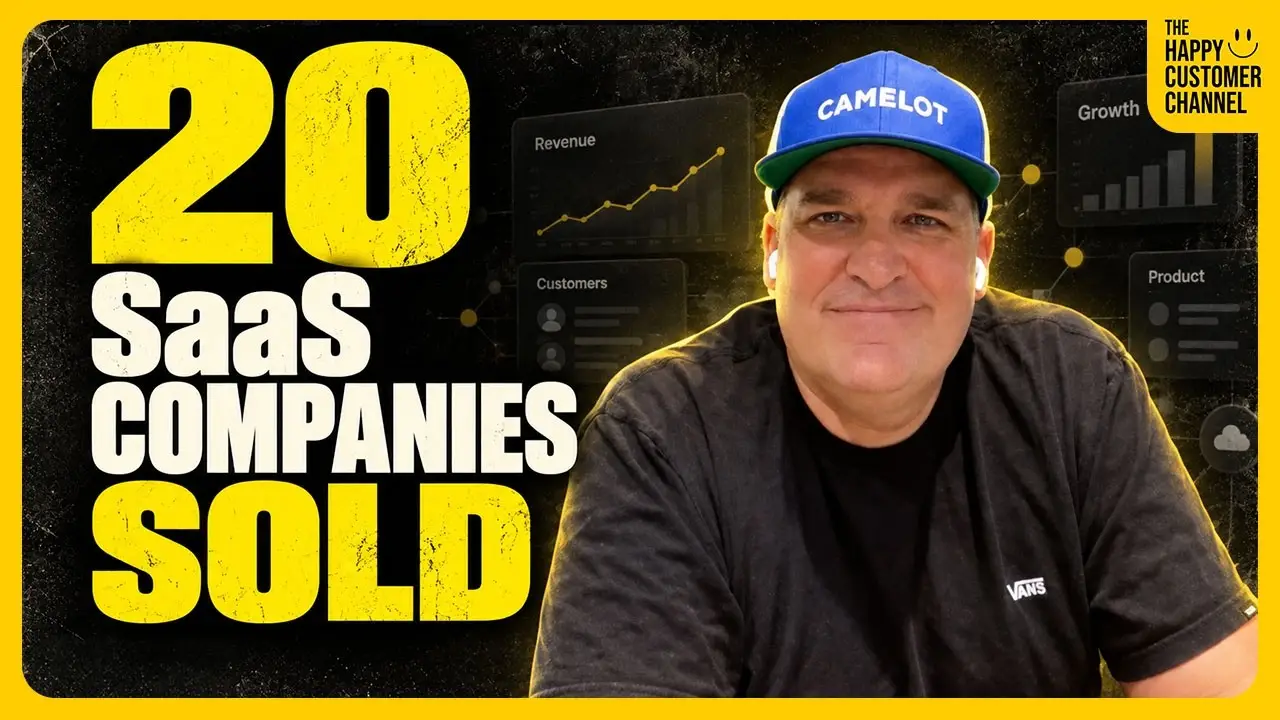
In Episode 117, Stuart Faught talks with Dan Arriola about building and selling small software businesses. Faught describes himself as a nontechnical founder who enjoys growth and sales. His point is that easier software creation makes the ability to reach customers especially important. The planning exercise below applies that idea; it is THCC’s editorial framework, rather than a checklist Faught delivered word for word.
Define the buyer before choosing the channel
A market such as local businesses is too broad to guide a first sales conversation. A more useful starting point names a type of operator, the task they are trying to complete, and the moment when that task becomes frustrating. This makes it easier to decide where a conversation belongs.
Faught explains that his early work with dental practices helped him recognize a need for a simpler way to collect patient reviews. The lesson is the sequence: contact with a particular kind of customer gave him a problem to work on. It did not start with a long list of software capabilities.
Write a one-sentence hypothesis: “We help [specific operator] complete [specific task] when [specific situation occurs].” Treat it as a starting assumption. If prospective customers describe a different problem, change the sentence before expanding the product.
Choose a route you can test
Faught also discusses growing through distribution partners. For a small team, the practical question is which route it can actually operate. Direct outreach, a specialist community, useful search content, and a partner who already serves the buyer are different routes with different demands.
Choose one initial route and state what access it gives you. An introduction from a trusted partner and a visit from a search result are different starting points. Each needs a clear next step that fits the buyer’s reason for being there.
Create a short distribution plan
- Buyer: name the role and type of business you want to reach.
- Problem: describe one task in the customer’s own language.
- Route: identify a specific community, partner type, or outreach list.
- Next step: offer a useful conversation, demonstration, or trial with a clear purpose.
- Learning: record the questions, objections, and actions that follow.
In a hypothetical first-week test, a founder serving independent dental practices could ask practice managers to walk through how they request patient reviews. The next step could be a demonstration of one review-request workflow. Record who agrees to try it and what stops them. This is THCC’s illustrative application of the interview, not a reported campaign or promised result.
Measure progress beyond attention
A response or a visit gives you something to investigate. Keep the stages separate: someone saw the offer, agreed to talk, tried the workflow, and returned to use it. Record where people stop and what they say at that point. A channel that produces relevant trials creates a different decision from one that produces views alone.
A small number of relevant conversations can reveal that the message is unclear or the task is not urgent. Use those findings to revise the offer and the next test. Avoid treating a new channel or an AI tool as a substitute for that learning.
Connect the promise to the customer experience
The distribution message creates an expectation that the product and support must meet. THCC’s guide to customer experience strategy and operating standards explains why a promise needs a repeatable way to deliver it. Once a customer responds, define who handles the next step and how a problem gets resolved.
Questions founders ask
Can a nontechnical founder develop a distribution strategy?
Yes. Customer research, positioning, sales conversations, and partner relationships are work a nontechnical founder can lead. Technical implementation still needs appropriate expertise. Faught’s experience illustrates one possible division of responsibilities.
Should a small SaaS business use every marketing channel?
Start with a route you can operate and evaluate. Expanding later is easier when you understand who responds, why they respond, and what happens after the first interaction. There is no channel mix that guarantees growth.
Watch the full conversation
Watch Stuart Faught’s complete conversation with Dan Arriola for the context around distribution, ownership, and building focused software businesses. Explore more entrepreneurship conversations on THCC.