Entertainment Finance Strategy: Tax Incentives & Cash Flow

FULL EPISODE HERE

Entertainment Finance Strategy: What Amit Jagwani Reveals About Tax Incentives, Cash Flow, and Production Growth

Most people see film and television as creative industries. Business leaders should see them as operational machines. Behind every production is a tightly managed system of payroll, compliance, budgeting, labor coordination, and cash flow control that determines whether a project succeeds or fails.

In this episode, Amit Jagwani breaks down the hidden mechanics of entertainment finance and explains why production decisions are often driven less by creative preference and more by economics, incentives, workforce readiness, and execution. The central idea is clear: in entertainment, profitability depends on building the right ecosystem, not just producing content.

What This Episode Covers

This conversation examines how film and TV production really works from a business and finance perspective. It shows why incentives, financial discipline, crew experience, and local infrastructure all play a direct role in where productions happen and whether markets can sustain long-term growth.

  • Why tax incentives often determine production location
  • How customer success in production extends beyond the contract signer
  • Why entertainment finance is a cash-flow management business
  • How budget discipline protects margins in high-cost productions
  • Why crew trust and payroll reliability affect long-term revenue
  • What causes talent shortages in production markets
  • Why incentives alone do not create a sustainable production hub
  • How governments and companies compete for production dollars

Key Insights

Tax Incentives Often Decide Where Production Happens

One of the strongest themes in the episode is that tax incentives are not a secondary advantage. They are often the deciding factor in whether a production chooses a market at all. As Jagwani puts it, “Nothing gets done nowadays without an incentive consideration.”

This matters because film and TV production is highly mobile. Studios and production companies can move projects across states and countries in search of better economics. When multiple markets offer similar creative potential, the one with stronger incentives, lower cost structures, and better financial upside usually wins.

For business leaders, the broader lesson is that demand does not move randomly. It flows toward environments where financial conditions are intentionally designed to attract it.

Your Customer Is Bigger Than the Company Paying You

Jagwani reframes customer success in a way that applies far beyond entertainment. In production, the direct client may be the studio or production company, but the operational experience belongs to crew, talent, unions, and other frontline contributors. If they are unhappy, that dissatisfaction moves upward fast.

His point is simple: “Satisfaction across the board breathes more business.” That means the real customer includes both the buyer and the end user.

This is an important operating principle. Many businesses focus only on the contract holder and ignore the people who actually experience the service. But in practice, downstream friction damages retention, reputation, and future revenue. Strong companies understand that enterprise relationships are protected through operational user satisfaction.

Revenue Without Cost Context Is Misleading

Entertainment regularly produces headline revenue numbers that appear massive from the outside. But as the episode makes clear, top-line figures can hide weak economics. A billion-dollar box office result may still disappoint once production costs, marketing expenses, distribution structures, and financing realities are accounted for.

This is a reminder that revenue alone is not a measure of success. Margin, cost structure, and capital efficiency matter more. Leaders who celebrate growth without cost discipline risk misunderstanding the true health of the business.

The lesson extends to any industry: impressive revenue can still mask poor profitability if the operating model is not under control.

Cash Flow Discipline Is a Competitive Advantage

Entertainment finance is not just budgeting. It is continuous cash flow management. Productions do not typically receive all funding at once. Money is released over time, tied to milestones, schedules, and approvals. That creates an environment where spending must be tightly managed against available funds.

Jagwani describes this reality clearly: “It’s very, very cash in, cash out.” In that kind of environment, weak forecasting or loose budget control can quickly create operational risk.

Companies that manage staged funding well gain a real advantage. They reduce overruns, preserve trust with investors and studios, and keep production moving without unnecessary disruption. Cash flow discipline is not back-office hygiene. It is strategic execution.

Paying Frontline Contributors First Protects the Business

One of the most practical insights from the episode is that workforce trust is a core business asset. Jagwani emphasizes, “You have to always want to pay your crew first.”

This is more than a payroll philosophy. In production environments, crews are the operational engine. When payments are delayed or reliability slips, morale falls, trust erodes, and execution suffers. Those issues quickly become client issues, reputational issues, and retention issues.

The business case is straightforward. When frontline contributors feel exposed, the system becomes unstable. When they feel protected, the organization performs better. Reliable payroll and operational care are therefore not administrative details. They are part of the company’s customer and delivery strategy.

Incentives Alone Do Not Build a Production Economy

Attracting a project is not the same as building an industry. The episode makes a critical distinction between short-term wins and sustainable ecosystem development. Tax incentives may bring productions into a market, but without trained labor, facilities, equipment, and vendor support, that market struggles to keep the business.

Jagwani’s message is essentially this: if you want the industry to stay, you need the full operating environment. Incentives create interest. Infrastructure converts interest into execution. Talent pipelines turn isolated activity into repeatable growth.

This is a valuable lesson for both public-sector and private-sector leaders. Lasting competitive advantage comes from system design, not one-off attraction tactics.

Hidden Career Paths Create Talent Shortages

The episode also addresses a structural labor issue in entertainment: many production jobs are still learned through informal, network-based pathways. That limits visibility into the industry and narrows the talent pipeline.

When career paths remain “out of sight, out of mind,” markets struggle to produce enough trained workers. This creates shortages not because opportunities do not exist, but because awareness and access are weak.

For any industry, hidden roles produce hidden constraints. If companies and regions want growth, they need to educate the market about available careers, lower barriers to entry, and create clearer development pathways. Otherwise, demand outpaces workforce readiness.

Ecosystem Economics Beat Headline Appeal

One of the most important strategic ideas in the episode is that business flows to places that optimize total ecosystem economics. Brand prestige, market image, or creative reputation may help, but they are not enough on their own.

Winning markets combine incentives, workforce readiness, infrastructure, cost efficiency, and execution reliability. That is what creates sustained production volume. As Jagwani notes, “Money tends to drive a lot of people.”

This is the deeper business takeaway from the conversation. Growth follows environments where economics, operations, and talent are aligned. Companies and governments that design for the full system outperform those that market only the surface.

Framework

Multi-Tier Customer Value Framework

This framework explains why production finance is also a customer experience function.

  • Primary customer: The studio, production company, or funding entity that signs the contract
  • Operational end user: The crew, unions, and talent who directly experience the service
  • Business reality: Problems at the operational level escalate upward and damage relationships
  • Strategic lesson: Serve both the buyer and the user to protect revenue and retention

Production Location Decision Framework

This framework shows what actually drives geography in film and TV production.

  • Tax incentives in the state or country
  • Local talent pool and trained workforce
  • Production infrastructure such as stages, facilities, and equipment
  • Cost efficiency, including labor economics and foreign exchange advantages
  • Long-term ecosystem viability instead of one-time attraction

Production Budget Control Framework

This framework captures how disciplined productions stay financially viable.

  • Funds are released over time rather than all at once
  • Spending is tracked continuously against budget
  • Weekly reviews align production reality with financial expectations
  • Creative decisions are adjusted based on cost, time, and operational constraints
  • The objective is to maximize output quality within fixed financial limits

Key Takeaways

  • Tax incentives are often the primary driver of production location decisions
  • Customer success must include both the paying client and the operational end user
  • Large revenue numbers mean little without cost and margin context
  • Cash flow discipline is essential in milestone-based funding environments
  • Protecting crew trust protects operational performance and long-term revenue
  • Incentives without infrastructure do not create sustainable market growth
  • Hidden career paths restrict talent supply and slow industry expansion
  • The strongest markets win by designing for full ecosystem economics

Who This Is For

This episode is especially valuable for:

  • Studio, production, and entertainment finance professionals
  • Business leaders managing high-cost, cash-flow-sensitive operations
  • Investors evaluating media and content economics
  • Economic development leaders building regional production markets
  • Operators responsible for workforce experience and service delivery
  • Founders looking to understand ecosystem-driven competitive advantage

Watch the Full Episode

If you want a sharper understanding of how entertainment really works as a business, this episode is worth your time. Amit Jagwani offers a practical look at the financial and operational systems that shape production outcomes, market competition, and long-term profitability.

Watch the full episode to hear how incentives, labor, compliance, and cash flow come together behind the scenes of film and TV production.

FAQ

Why are tax incentives so important in film and TV production?

Because production is highly mobile and costs are significant. Incentives directly affect the economics of a project, which often makes them the deciding factor in where a production takes place.

What does customer success mean in production finance?

It means serving not only the studio or production company paying for the service, but also the crew, talent, and operational stakeholders who experience the process directly. Their satisfaction influences retention, trust, and future work.

What makes a production market sustainable over time?

A sustainable market needs more than incentives. It also requires trained talent, equipment, facilities, reliable vendors, and operational infrastructure that can support repeat production at scale.
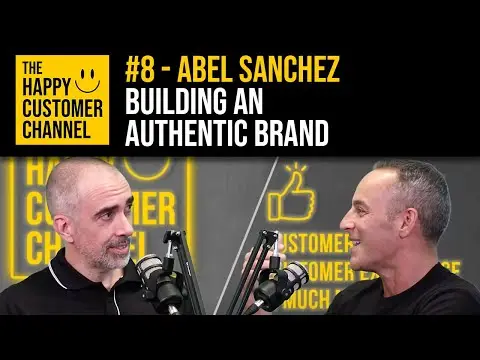
Abel Sanchez on Building an Authentic Miami Brand

FULL EPISODE HERE

How Abel Sanchez Built a Cultural Brand Through Authentic Miami Storytelling

Most brands try to grow by broadening their message. Abel Sanchez took the opposite path. By going deeper into Miami’s overlooked history, he built a platform that earned attention, trust, and commercial traction through specificity rather than scale-first thinking.

In this episode, Abel explains how a personal interest in the history of Miami Stadium evolved into a respected cultural brand spanning content, community influence, and merchandise. The central idea is simple but powerful: when storytelling is original, deeply researched, and rooted in lived experience, it can become both a mission and a business.

What This Episode Covers

This conversation examines how niche content becomes a durable brand when it is built on curiosity, accuracy, and audience trust. Abel shares how he expanded from documenting baseball history into a broader cultural platform without losing authenticity or diluting the identity that made people care in the first place.

  • How Miami Stadium became the foundation for a larger cultural brand
  • Why deep research creates authority that generic content cannot match
  • How authenticity shapes both audience trust and merchandise strategy
  • What it takes to preserve local history while building a scalable platform
  • Why niche brands should expand only when the audience signals demand
  • How educational content becomes more engaging when tied to identity and emotion

Key Insights

Deep Curiosity Creates Defensible Expertise

One of the clearest lessons from Abel’s story is that curiosity is not just a creative trait. It is a competitive advantage. His interest in Miami’s under-documented history led him to build expertise that could not be easily copied because it came from sustained research, archival work, and long-term commitment.

In business terms, this matters because differentiated knowledge creates brand authority. Anyone can post surface-level content. Very few can uncover stories, context, and details that an audience has not seen before. That depth becomes a moat. It makes the brand more memorable, more trusted, and more difficult to replace.

The Strongest Brands Start Narrow

Abel did not begin with a broad lifestyle brand. He started with one specific subject: Miami Stadium. That focus gave the brand clarity. People knew exactly what it stood for, and that precision helped build early loyalty.

This is a useful lesson for founders, creators, and marketers who try to start too wide. Narrow positioning often feels limiting at first, but it is usually what creates traction. Once the audience trusts the source in one area, the brand can expand into adjacent categories. In Abel’s case, that meant moving from baseball history into neighborhoods, music, architecture, sports, and community memory without feeling forced.

Authenticity Is Operational Discipline

Authenticity is often treated like a branding slogan. In practice, it is a set of decisions. Abel’s merchandise approach shows this clearly. Rather than relying on overused Miami imagery or generic local references, he focused on specific designs tied to real memory, local knowledge, and cultural truth.

That discipline matters commercially. Original products tend to outperform cliché ones when the audience is looking for identity, not just decoration. People buy what reflects them accurately. They respond to products that feel earned, not manufactured. This is especially important for culturally rooted brands, where credibility can be lost quickly if the work feels opportunistic.

Community Trust Compounds Over Time

Trust is one of the most valuable assets a brand can build, and this episode makes clear how it is earned. Abel built credibility by being accurate, respectful, and consistent. He did the work, verified details, and let the quality of the research speak for itself.

That trust created outcomes beyond social engagement. It gave him influence in the real world, including helping drive the effort for a historical marker at the former Miami Stadium site. For business leaders, the takeaway is important: credibility compounds. When audiences feel represented correctly and treated with respect, they become advocates, customers, and amplifiers.

Educational Content Wins When It Carries Emotion

Information alone rarely builds loyalty. What makes Abel’s content effective is the combination of education and emotional resonance. He is not just documenting facts. He is helping people reconnect with identity, memory, and place.

This is a critical strategic point for content brands and marketers. Educational material performs best when it gives audiences a reason to care beyond utility. Context, nostalgia, belonging, and recognition make content more engaging and more shareable. The strongest storytelling does not choose between entertaining and informing. It balances both.

Preservation Can Be a Growth Strategy

Many businesses think growth requires constant novelty. Abel’s platform shows another path: preservation can drive expansion when it protects what is distinctive. By documenting and preserving overlooked parts of Miami culture, he created something valuable in a market crowded with repetition and trend-chasing.

For brands, this principle extends beyond local history. Protecting a unique identity, a loyal audience, or a specific point of view can be a growth strategy because it keeps the brand from becoming interchangeable. In crowded markets, distinctiveness matters more than volume.

Organic Expansion Beats Forced Diversification

One of the smartest patterns in Abel’s brand growth is that expansion followed audience behavior. The platform did not jump randomly into unrelated areas. It moved into adjacent subjects because the audience was already signaling interest in a broader picture of Miami culture.

This is how sustainable brand extension works. Growth is strongest when it emerges from relevance, not internal pressure to launch something new. Businesses often dilute themselves by chasing categories that do not fit their identity. Abel’s example shows the value of expanding in ways that deepen the original mission rather than distract from it.

Simple Communication Signals Mastery

A notable thread throughout the episode is clarity. Complex history, cultural context, and layered stories only work if they are communicated simply. That is not simplification for its own sake. It is a sign of command.

For leaders and marketers, this matters because audiences reward clear thinking. If a brand can explain something precisely and simply, it appears more credible and more useful. Clear communication improves retention, increases trust, and makes expertise accessible.

Framework

Organic Niche Expansion

  • Start with one specific passion or problem
  • Build authority through depth and consistency
  • Observe what the audience repeatedly asks for
  • Expand into adjacent topics that naturally fit the core identity
  • Extend into products only after trust is established

This framework explains how niche brands can grow without losing coherence. The key is to treat focus as a starting advantage, not a permanent limitation. Expansion works when it is earned by audience demand and anchored to the same identity that created trust in the first place.

Authentic Brand Filter

  • Identify what is culturally true and personally meaningful
  • Eliminate overused symbols, clichés, and generic shortcuts
  • Create from lived experience and distinct memory
  • Validate through audience resonance and community feedback
  • Protect originality even at the cost of slower growth

This filter is useful for any brand operating in a crowded market. It forces better creative decisions by prioritizing truth over trend. The result is work that connects more deeply and lasts longer.

Trust Through Historical Accuracy

  • Research beyond surface-level sources
  • Verify stories with archives, firsthand accounts, and community members
  • Present information fairly and respectfully
  • Let represented communities confirm the quality of the work
  • Use accuracy as the foundation for long-term brand credibility

This framework highlights a broader business principle: authority is built through rigor. Whether a company is telling stories, publishing thought leadership, or launching products, trust grows when the work is accurate, respectful, and verifiable.

Key Takeaways

  • Curiosity can become a business asset when it leads to uncommon expertise
  • Niche brands often gain strength by starting narrow and expanding slowly
  • Authenticity requires rejecting generic shortcuts, not just claiming originality
  • Community trust is earned through accuracy, consistency, and respect
  • Educational content becomes more powerful when linked to identity and emotion
  • Preserving culture or distinctiveness can be a scalable strategic advantage
  • Merchandise works best when it reflects lived experience rather than cliché branding
  • Clear communication increases authority and audience retention

Who This Is For

This episode is especially valuable for:

  • Founders building brands around niche expertise
  • Marketers looking to create stronger audience trust
  • Creators turning content platforms into product businesses
  • Community-focused entrepreneurs and cultural organizations
  • Local brands trying to stand out without relying on generic identity cues
  • Business leaders interested in authentic brand expansion

Watch the Full Episode

If you want to understand how cultural credibility becomes commercial value, this episode is worth your time. Abel Sanchez offers a practical example of how originality, historical accuracy, and disciplined brand building can create long-term loyalty.

Watch the full episode to hear how he built Miami Stadium into a meaningful platform, why he protects authenticity so carefully, and what business leaders can learn from serving a community with precision and respect.

FAQ

What makes Abel Sanchez’s brand strategy effective?

Its strength comes from depth, not breadth. He built authority through obsessive research, authentic storytelling, and a clear focus before expanding into adjacent topics and products.

What business lesson can marketers take from this episode?

The biggest lesson is that specificity creates trust. Brands that deeply understand a niche and represent it accurately often outperform broader brands that rely on generic messaging.

How did Miami Stadium evolve from a passion project into a business?

It began as a focused historical archive, then grew organically as the audience responded to broader cultural storytelling. Once trust was established, merchandise and brand extensions became natural next steps rather than forced monetization.

Customer Experience as a Growth Strategy

FULL EPISODE HERE

Customer Experience as a Growth Strategy: What Tarek Moaz Reveals About Service, Global Talent, and AI

Customer experience is no longer a back-office function that sits behind product, sales, or marketing. It has become a direct driver of trust, retention, and long-term revenue. In this episode, Tarek Moaz draws on two decades of experience across financial services, business services, and international workforce management to explain why businesses that win on customer experience are the ones that execute consistently, listen carefully, and make themselves easy to reach. The central idea is simple but commercially important: technology and automation can improve scale and speed, but sustainable customer loyalty still depends on human ownership, empathy, and follow-through.

What This Episode Covers

This conversation looks at how customer experience has evolved into a strategic operating priority and what that means for companies building service teams today. It also explores the role of global talent, the impact of modern communications technology, and why AI should support human service rather than replace it.

  • Why customer experience is now a core business differentiator
  • What defines a genuinely strong customer experience
  • How businesses can recover dissatisfied customers effectively
  • Why empathy and patience create operational value
  • How international talent can expand support capabilities
  • Why referrals are powerful in global recruiting
  • How technology has lowered the barrier to scalable support
  • Where AI fits into the future of service operations

Key Insights

Customer experience is a business performance lever, not a support function

One of the clearest themes from the episode is that customer experience should be treated as a strategic growth lever. Businesses that still view service purely as a cost center are likely underestimating its impact on retention, reputation, and revenue. Customer experience influences whether buyers trust a company, return to it, and recommend it. In practical terms, that makes service quality part of the growth model, not just an operational necessity.

Meeting expectations consistently is the foundation of strong service

Tarek Moaz defines good customer experience in straightforward terms: deliver on the customer’s expectations. That means understanding what was promised, delivering it reliably, and ensuring the experience feels consistent from the customer’s point of view. Many companies overcomplicate service strategy when the real issue is execution discipline. Strong service organizations stand out because they do the basics well, repeatedly and predictably.

Listening and ownership are essential in customer recovery

When customers are dissatisfied, the first requirement is not speed alone but acknowledgment. People want to feel heard, understood, and taken seriously. The episode emphasizes that recovery happens when businesses listen actively, take ownership of the problem, communicate clearly, and then follow through on the resolution. This is where many companies fail: not because the issue itself is impossible to solve, but because they create uncertainty by avoiding responsibility or delaying action.

Empathy and patience are operational advantages

Empathy is often framed as a soft skill, but in customer-facing environments it has hard business value. Agents who remain patient, calm, and attentive can de-escalate tension, reduce churn risk, and improve the likelihood of resolution. That directly affects customer satisfaction and operational efficiency. In other words, emotional intelligence is not separate from performance; it is part of performance.

International talent can strengthen service operations when managed well

The episode makes a strong case for global hiring as a practical way to expand support capabilities. International talent can help businesses scale faster, increase coverage, and access high-quality professionals without compromising standards. But this only works when companies are disciplined about communication quality, training, and cultural alignment. Global talent is not a shortcut; it is a strategic lever that rewards good systems and strong leadership.

Referrals are one of the strongest channels for international recruiting

One particularly useful insight is the value of referrals in identifying quality global talent. Strong professionals often know other strong professionals, especially within trusted networks and specialized roles. Referral-based recruiting can improve candidate quality, reduce hiring risk, and accelerate trust in distributed teams. For businesses hiring internationally, this can be one of the most efficient ways to build capability without relying entirely on broad, low-signal channels.

Technology has made scalable support accessible to more businesses

Modern communications tools have significantly reduced the cost and complexity of building customer support operations. What once required enterprise-scale infrastructure can now be done with internet-based systems, distributed teams, and flexible service platforms. This matters because it gives small and midsize businesses access to service models that were previously out of reach. The implication is clear: the barrier to entry is lower, so the real differentiator is no longer access to tools but how well those tools are implemented.

AI should remove friction, not human connection

Automation has a clear role in customer service, particularly for repetitive, transactional, and low-complexity requests. Done well, it improves response times, lowers costs, and frees human agents to focus on higher-value interactions. But the episode argues that human involvement will remain essential wherever judgment, trust, or emotional nuance matters. The businesses that benefit most from AI will be the ones that use it to simplify service, not to make customers feel blocked, ignored, or disconnected.

Accessibility is a trust signal

A business that is difficult to reach creates immediate doubt. Customers notice when support channels are buried, unavailable, or intentionally hard to access. That lack of accessibility does more than frustrate users; it weakens purchase confidence and can damage brand credibility. In contrast, companies that make support visible and responsive send a strong signal that they stand behind what they sell.

Framework

Customer Recovery Framework

  • Listen actively so the customer feels heard
  • Acknowledge and understand the issue
  • Take ownership of the situation
  • Communicate that you will resolve it
  • Execute on the promise

This framework reinforces a key operational principle: recovery depends less on scripted apologies and more on visible accountability. Customers are far more likely to stay when they see that someone is owning the issue and moving it toward resolution.

Good Customer Experience Definition

  • Understand customer expectations
  • Deliver what was promised
  • Deliver it in the way the customer expects
  • Ensure the overall interaction feels satisfactory and consistent

This model is useful because it keeps service quality tied to customer expectations rather than internal assumptions. Businesses often fail not because they delivered nothing, but because they delivered in a way that felt inconsistent, unclear, or misaligned with what the customer believed would happen.

Human + Automation Service Model

  • Automate simple, repetitive requests
  • Preserve human support for complex issues
  • Use technology to improve speed and access
  • Prevent automation from creating frustration or disconnection

This framework offers a practical way to think about AI adoption. Automation should reduce friction and handle volume, while human agents should be reserved for moments where judgment, reassurance, and problem-solving create the most value.

Key Takeaways

  • Customer experience is directly tied to retention, trust, and revenue growth.
  • Strong service starts with clear expectations and consistent execution.
  • Listening, ownership, and follow-through are critical in resolving customer issues.
  • Empathy and patience improve both customer outcomes and team effectiveness.
  • Global talent can expand service capacity when quality standards are maintained.
  • Referral networks are highly effective for recruiting strong international candidates.
  • Technology has made scalable service operations more accessible than ever.
  • AI should support human teams, not replace the trust customers need in high-stakes interactions.
  • Accessible customer support is a competitive advantage and a signal of brand confidence.

Who This Is For

This episode is especially relevant for:

  • Founders building customer-facing operations
  • Customer experience and support leaders
  • Operations executives scaling service delivery
  • Businesses exploring international hiring models
  • Companies evaluating AI and automation in support workflows
  • Brands looking to improve retention and customer trust

Watch the Full Episode

If your business is rethinking customer support, scaling globally, or evaluating how AI should fit into service delivery, this episode offers a practical perspective grounded in execution. Tarek Moaz outlines what good customer experience actually looks like in practice and why the companies that win will be the ones that combine accessibility, consistency, and human judgment.

FAQ

Why is customer experience considered a strategic business function now?

Because it directly influences customer retention, brand trust, referrals, and revenue. Companies that deliver reliable, accessible, and consistent service create stronger loyalty and reduce the risk of churn.

Can international talent maintain high customer service quality?

Yes, if businesses invest in the right hiring channels, communication standards, training, and cultural alignment. Global talent can be a major advantage when quality is managed intentionally rather than assumed.

Will AI replace human customer support teams?

AI will increasingly handle simple and repetitive interactions, but human agents will remain essential for complex problems, emotional situations, and trust-based conversations. The strongest service models will combine automation with skilled human support.

Trust-Driven Innovation in Education with Brandon Okolobi

FULL EPISODE HERE

How Brandon Okolobi Builds Trust-Driven Innovation in Education and Community Impact

Innovation often fails for a simple reason: it solves a problem in a way the market is not ready to adopt. In this episode, Brandon Okolobi explains what it takes to build mission-driven organizations that still operate with strong business discipline.

Brandon is a self-described “stempreneur” working at the intersection of STEM education, athletics, nonprofit leadership, and community development. His work serves students, families, educators, and school systems by making learning more experiential, more relevant, and more connected to real outcomes.

The central idea of the conversation is clear: meaningful innovation scales when purpose, product design, and partnerships work together. It is not enough to have a compelling mission. Organizations also need credibility, market fit, and trust from the stakeholders who decide whether a solution gets adopted.

What This Episode Covers

This episode explores how founders and leaders can turn vision into adoption, especially in complex markets like education where there are multiple decision-makers, competing priorities, and high expectations for results.

  • How to build organizations around real community needs
  • Why educational innovation must align with standards and existing systems
  • The role of relationships and word-of-mouth in long-term growth
  • How proven execution creates credibility with partners and funders
  • Why storytelling is a stronger sales tool than a rigid pitch
  • How leaders must evolve from solo execution to team-based scale

Key Insights

Innovation Wins When It Is Mission-Driven and Market-Aware

One of the strongest lessons from Brandon’s conversation is that purpose alone does not create traction. Organizations need to solve meaningful problems in ways customers already know how to evaluate, buy, and implement.

This is especially important in education and community-based work. A program may be inspiring, but if it does not fit school standards, district priorities, parent expectations, or funding realities, adoption slows down. Brandon’s approach shows that innovation becomes more effective when it is designed for the real constraints of the market, not just the ambitions of the founder.

That balance between mission and practicality is what makes an idea scalable. It turns a good intention into a working model.

Credibility Comes From Execution, Not Just Vision

Brandon makes a direct point: “Everyone wants to get behind someone who has a proven track record.” That principle applies across business, nonprofit leadership, partnerships, and fundraising.

Markets respond to evidence. Buyers want to know that the organization can deliver, adapt, and produce outcomes. Funders want proof that resources will be used effectively. Partners want confidence that collaboration will lead to measurable value.

A compelling vision can open the door, but a track record is what gets people to commit. For founders, this means early wins matter. Consistent execution builds trust faster than broad promises.

Sales Improves When the Story Is Authentic

Another important insight is Brandon’s sales philosophy. Instead of relying on a rigid structure, he focuses on telling the truth about the mission, the journey, and the impact. As he puts it, “I just changed it to being comfortable and telling them my story.”

This does not mean abandoning facts or outcomes. It means embedding them within a narrative that feels real. Buyers do not just evaluate numbers. They evaluate conviction, clarity, and trustworthiness.

The best business storytelling combines passion with proof. It communicates why the work matters, what problem it solves, and what evidence supports the claim. This approach is especially effective in markets where relationships and credibility play a larger role than transactional selling.

Adoption Accelerates When Innovation Fits Existing Standards and Workflows

One of the most practical ideas in the episode is that innovation should reduce friction rather than create it. In education, this means aligning products and programs with standards, classroom realities, and institutional workflows.

Founders often assume that novelty alone creates demand. In reality, stakeholders are more likely to adopt something that improves outcomes without forcing them to redesign everything around it. Brandon’s work reflects this understanding by making innovation both engaging and institutionally relevant.

For any founder selling into schools, enterprises, or regulated industries, this lesson matters: the easier it is for a customer to plug your solution into an existing system, the faster adoption can happen.

Community Growth Starts With Listening, Not Leading With the Product

Brandon highlights a critical leadership shift: “We now sit down with the stakeholders and say, what do you need?” This is a powerful example of customer discovery done correctly.

Too many organizations enter a market focused on what they built, not what the community actually needs. That creates misalignment, low relevance, and weak trust. Brandon’s model is different. It starts by listening, understanding local priorities, and solving the most urgent problem first.

This community-first mindset does more than improve product fit. It signals respect. It tells stakeholders that the organization is there to serve, not impose. That distinction is often the difference between short-term attention and long-term adoption.

Word-of-Mouth Still Outperforms Traditional Marketing

Brandon is unequivocal on this point: “There’s nothing better than word of mouth.” In community-based organizations and trust-sensitive markets, reputation compounds faster than paid promotion.

Word-of-mouth works when the experience is genuinely strong. If customers, partners, and participants feel real value, they become advocates. That advocacy has more influence than any campaign because it comes with built-in trust.

This is not an argument against marketing. It is an argument for operational excellence. The most effective growth strategy is to create an experience so relevant and so strong that people want to tell others about it.

Engagement Deepens When People Experience the Product

One of the most memorable lines from the episode is: “You’re experiencing science.” That captures a larger business principle. People engage more deeply when they feel immersed in the value of the product rather than passively receiving it.

In Brandon’s world, hands-on learning increases emotional connection, creativity, and retention. In business terms, this means product experience matters. Customers are more likely to adopt, remember, and recommend something they actively interact with.

This applies far beyond education. Whether in software, training, services, or events, the strongest experiences make the customer feel involved in the outcome. That sense of ownership creates stronger engagement and better long-term loyalty.

Scale Requires Systems, Teams, and Leadership Evolution

The episode also offers a practical leadership lesson for growth-stage organizations. There is a limit to what can be built through individual hustle. At a certain point, impact depends on systems, collaboration, and repeatable execution.

Brandon’s journey shows that leaders must grow with the organization. That means moving from doing everything personally to designing structures that allow others to contribute effectively. Scale is not just about doing more. It is about building an organization that can produce consistent value beyond the founder’s direct effort.

For business leaders, this is a critical inflection point. Growth becomes sustainable when it is team-enabled and process-supported.

Framework

Five Pillars of Development

Brandon’s work is anchored in a holistic model designed to support both individual and community growth.

  • STEM education
  • Financial literacy
  • Health and wellness
  • Mentorship
  • Sports

This framework reflects a broader strategic idea: lasting impact often requires integrated solutions rather than isolated programs. It also helps explain why Brandon’s organizations connect education, life skills, and community development instead of treating them as separate issues.

Guided Unstructured Learning

This learning model balances structure with freedom. Instead of over-directing the process, it creates conditions where students can experiment and build ownership.

  • Create a safe space for experimentation
  • Give students tools and starting points
  • Allow them to modify, expand, or reimagine projects
  • Avoid over-constraining the learning process
  • Use exploration to build creativity, ownership, and problem-solving

From a business perspective, this framework reinforces the value of designing experiences that drive engagement through participation.

Community-First Needs Assessment

This approach is one of the clearest operating frameworks discussed in the episode. It ensures that expansion begins with relevance.

  • Enter a new community
  • Sit with stakeholders first
  • Ask what they actually need
  • Prioritize their most urgent challenge
  • Introduce broader programming after trust and relevance are established

This is a practical model for founders, nonprofits, and service organizations operating in multi-stakeholder environments.

Trust-Based Sales Approach

Brandon’s sales model is built around authenticity, proof, and fit.

  • Lead with authentic story over rigid pitch structure
  • Embed facts and results within the narrative
  • Show passion and clarity of purpose
  • Let proven outcomes reinforce the message
  • Focus on fit with the right supporters rather than persuading everyone

This framework is highly relevant for founders selling into institutions, partnerships, and mission-driven markets where trust is central to the buying decision.

Key Takeaways

  • Strong organizations solve real problems in ways customers can easily adopt
  • Mission matters, but market fit determines whether innovation scales
  • Credibility comes from execution, not just ambition
  • Authentic storytelling is often more persuasive than a formulaic sales pitch
  • Listening to stakeholders first improves relevance and trust
  • Word-of-mouth is still the most powerful growth engine in relationship-based markets
  • Hands-on, experience-driven products create deeper engagement
  • Long-term scale requires leaders to build systems and teams, not just work harder

Who This Is For

This episode is especially valuable for:

  • Founders building mission-driven companies or nonprofits
  • Education entrepreneurs selling into schools or districts
  • Leaders working in community development and social impact
  • Operators looking to improve stakeholder adoption and trust
  • Sales professionals in complex, relationship-driven markets
  • Executives thinking about how to scale beyond founder-led execution

Watch the Full Episode

If you are building in education, community impact, or any multi-stakeholder market, this conversation offers practical insight on adoption, credibility, and growth. Brandon Okolobi’s perspective is a strong reminder that the best innovations do not just inspire people. They fit real needs, deliver real results, and earn trust over time.

Watch the full episode to hear how he connects entrepreneurship, service, and systems-building into one operating philosophy.

FAQ

What is the main business lesson from Brandon Okolobi’s episode?

The main lesson is that innovation succeeds when it combines purpose with practical execution. Organizations grow faster when they solve real problems, align with stakeholder needs, and build trust through proven results.

Why is trust so important in education and community-based markets?

These markets involve multiple stakeholders, including parents, educators, administrators, partners, and funders. Adoption depends on credibility, relevance, and relationships, which means trust often matters more than aggressive promotion.

How can founders apply these insights to their own business?

Start by listening closely to customer needs, designing solutions that fit existing workflows, and telling a clear story backed by evidence. Focus on execution, create experiences that people genuinely value, and build systems that support growth beyond the founder.

Customer Acquisition and Retention for Sustainable Growth

FULL EPISODE HERE

Customer Acquisition and Retention: The Leadership, Sales, and Culture System Behind Sustainable Growth

Growth gets most of the attention in business, but sustainable growth is built on more than winning new customers. In this episode, Erwin Hakobo breaks down why customer acquisition, retention, and sales excellence all depend on the same core drivers: strong relationships, disciplined leadership, operational alignment, and a culture built to deliver value. The central idea is clear: businesses do not scale by chasing revenue alone. They scale by creating customer success consistently, hiring the right people, building the right systems, and staying selective about which opportunities they pursue.

What This Episode Covers

This conversation explores how businesses can improve sales performance, customer retention, and long-term resilience by aligning leadership, culture, and operations around value delivery. Rather than treating sales as a standalone function, the episode positions it as a company-wide capability tied directly to trust, discovery, team quality, and execution discipline.

  • Why retention is the real engine of sustainable business growth
  • How sales extends far beyond the sales department
  • Why discovery is the most important stage of the sales process
  • How customer satisfaction should define sales success
  • Why attitude and cultural fit often matter more than experience
  • How empowered teams create better customer outcomes
  • Why the right client fit matters as much as revenue potential
  • How systems and diversification reduce growth risk

Key Insights

Sales Is Not a Department. It Is a Business Capability.

One of the strongest ideas in the episode is that sales should not be viewed as a narrow function owned only by account executives or business development teams. Sales is the foundation of influence, leadership, and growth because every role in a business ultimately contributes to whether customers trust the company enough to buy, stay, and expand. The quote “People buy people” captures this well. Businesses grow faster when they recognize that customer confidence is shaped across every touchpoint, from leadership and operations to service delivery and support.

Retention Validates the Strength of the Business Model

Acquiring new business is important, but retention is what proves whether the company is delivering real value. A business can always create short-term momentum through aggressive acquisition, but if customers do not stay, the underlying model is weak. Retention reflects service quality, operational reliability, customer satisfaction, and relationship depth. In that sense, customer retention is not just a metric. It is a direct signal of whether the company can create outcomes that justify long-term trust.

Customer Satisfaction Is the Real End Goal of Sales

Erwin makes the point that revenue should not be the ultimate aim of selling. The true goal is customer satisfaction because revenue follows when customers feel understood, supported, and successful. This shifts the sales mindset away from pressure and toward value creation. Great sales teams do not focus on closing at any cost. They focus on solving the right problem, setting realistic expectations, and helping the customer achieve a result that matters internally. As he puts it, “The end goal is always customer satisfaction.”

Discovery Is Where Great Sales Actually Happens

The episode strongly emphasizes that discovery is the most powerful part of the sales process. Customers often come to the table with a stated want, but not always a clear understanding of what they truly need. Discovery helps separate assumptions from reality. It surfaces pain points, constraints, decision-making dynamics, performance gaps, and strategic priorities. Without this stage, sellers risk offering generic solutions that fail to address the underlying issue. With it, they can position a solution that is more relevant, more valuable, and easier to justify.

Attitude and Behavior Outperform Credentials

Another major takeaway is that team quality is shaped more by attitude, behavior, and alignment than by resume strength alone. Credentials can create a strong first impression, but culture fit, accountability, coachability, and shared standards are what drive performance over time. “We reward people on behavior” reflects a leadership approach that prioritizes long-term contribution over surface-level experience. Businesses that hire for mindset and values often build more resilient teams than those that hire purely for pedigree.

Empowered Employees Create Better Customer Experiences

Customer experience is rarely improved through script-driven management alone. It improves when employees are trusted to think, contribute, and take ownership. Empowered teams are more motivated, more accountable, and more responsive to customer needs because they understand that their decisions directly impact outcomes. This is not just a morale issue. It is a business performance issue. When employees feel ownership, they are more likely to solve problems proactively and strengthen the customer relationship.

The Right Client Fit Matters More Than Short-Term Revenue

One of the most practical insights in the episode is that not every customer is worth winning. Companies often damage performance by chasing revenue from poor-fit accounts that strain operations, distract teams, and create cultural friction. “The customer is not always right” is a reminder that selectivity is strategic. The best client relationships are partnerships built on mutual value, clear expectations, and operational alignment. Businesses that stay disciplined about fit protect their teams, preserve service quality, and improve long-term profitability.

Value Must Be Established Before Price Is Introduced

Price objections usually become difficult when pricing appears before the buyer understands the value behind it. In a discovery-led sales process, pricing should come after the business problem has been clarified and the solution has been tailored. When buyers can clearly connect the offer to their needs, goals, and risk reduction, pricing becomes easier to defend. This does not eliminate objections entirely, but it reframes the conversation from cost to business impact.

Systems and Diversification Make Growth More Resilient

The episode also reinforces the operational side of sustainable growth. Businesses become fragile when they depend too heavily on one customer, one revenue stream, or one informal way of working. Strong systems, process discipline, and client diversification create resilience. They reduce the risk of disruption, improve consistency, and make scaling more manageable. As the quote suggests, “You either have to have a proper plan or you’re just planning to fail.” Growth without systems may look impressive in the short term, but it rarely holds up under pressure.

Framework

Discovery-First Sales Approach

This framework centers on diagnosing before selling. It replaces generic pitching with a structured process for understanding the client and designing a relevant solution.

  • Start by understanding who the client is and whether you are speaking with the right decision-maker.
  • Separate the client’s stated wants from actual business needs.
  • Assess pain points, KPIs, performance gaps, and operational realities.
  • Build a tailored solution based on the client’s situation, not a preset package.
  • Introduce pricing only after value and relevance are clearly established.

Right People, Right Places

This operating principle focuses on building teams around alignment, behavior, and ownership rather than relying only on credentials.

  • Hire and promote based on attitude, behavior, and alignment with company standards.
  • Build teams around shared goals and mutual accountability.
  • Empower employees at every level to influence outcomes.
  • Let strong culture attract the right talent and filter out poor-fit contributors.

Strategic Client Fit Model

This framework helps leaders evaluate whether a customer relationship will strengthen the business over time or create avoidable drag.

  • Assess clients based on both revenue potential and operational fit.
  • Avoid business that misaligns with capacity, culture, or long-term direction.
  • Treat client relationships as strategic partnerships built on mutual trust.
  • Prioritize accounts that improve the business over time, not just those that close quickly.

20% Stretch Mindset

This mindset encourages teams to treat targets as baselines for performance rather than ceilings.

  • View every target as a starting point.
  • Push for 20% more than the assigned number.
  • Use ambition to create momentum and challenge the status quo.
  • Build a culture of continuous improvement instead of quota maintenance.

Key Takeaways

  • Customer retention is the clearest proof that a business is delivering real value.
  • Sales is a company-wide capability rooted in trust, communication, and service.
  • Discovery is the most important phase of the sales process because it reveals true business needs.
  • Customer satisfaction should be the primary objective of every sales effort.
  • Attitude, behavior, and alignment often outperform credentials over the long term.
  • Empowered employees create stronger accountability and better customer outcomes.
  • The right client fit is more valuable than fast revenue from the wrong account.
  • Systems, planning, and revenue diversification are essential for resilient growth.

Who This Is For

This episode is especially relevant for:

  • Founders building a repeatable customer acquisition and retention strategy
  • Sales leaders who want to improve win rates without sacrificing customer fit
  • Operations leaders focused on aligning delivery with growth goals
  • CEOs shaping culture, accountability, and team performance
  • Customer success leaders responsible for long-term client value and expansion
  • Business owners looking to reduce risk through better systems and diversification

Watch the Full Episode

If you are focused on building a business that grows through stronger relationships, sharper sales discipline, better team alignment, and more intentional client selection, this episode delivers practical insight worth applying. Watch the full conversation with Erwin Hakobo to learn how sustainable growth is created through value, trust, and operational discipline.

FAQ

Why is customer retention more important than acquisition for long-term growth?

Acquisition creates momentum, but retention proves that the business is delivering value consistently. Long-term growth depends on customers staying, expanding, and validating the strength of the service model.

What makes discovery the most important part of the sales process?

Discovery uncovers the customer’s actual needs, pain points, decision dynamics, and performance gaps. Without it, sales teams risk offering generic solutions that fail to solve the real problem.

How can businesses improve customer experience through internal culture?

They can hire for attitude and alignment, reward the right behaviors, and empower employees to make meaningful decisions. Strong culture improves accountability, service quality, and consistency across the customer journey.

Hospitality Customer Service Leadership Tips

FULL EPISODE HERE

Customer Service Leadership in Hospitality: How Training, Support, and Service Recovery Drive Results

In a true 24/7 service business, customer experience is never left to chance. In this episode, Ramon Martinez, Director of Rooms Operations at Marriott Villas at Doral, explains what it takes to lead high-performing teams across demanding hospitality environments, from luxury and convention properties to cruise-focused and timeshare operations. His core message is simple but important: exceptional service is built internally before it is ever felt by the customer. When leaders invest in training, readiness, employee support, and disciplined follow-through, they create the conditions for stronger service, better retention, and more consistent business performance.

What This Episode Covers

This conversation focuses on the leadership systems behind great customer service. Rather than treating service as an individual trait or frontline instinct, Martinez frames it as an operational outcome driven by preparation, coaching, employee care, and management discipline.

  • Why customer service depends on employee enablement, not just effort
  • How training creates consistency in high-expectation environments
  • Why work-life balance improves execution and retention
  • What a real open-door leadership policy looks like
  • How to handle difficult customer situations through options and follow-up
  • Why anticipating customer intent matters in service delivery
  • How teams can prepare for peak seasons through review and action planning

Key Insights

1. Great Service Starts with Employee Enablement

One of the clearest lessons from the episode is that customer experience improves when teams are fully equipped to do their jobs. Martinez emphasizes that service quality is not just about employee attitude or effort. It depends on whether people have the right tools, the right materials, and the operational support needed to execute consistently. If employees are underprepared, undersupplied, or unclear on expectations, customer experience becomes uneven. For business leaders, this is a direct reminder that service failures often begin as internal leadership failures.

2. Training Is the Foundation of Consistency

Martinez makes the case that training is the key lever for turning average hires into strong performers. In high-standard environments, consistency does not happen naturally. It comes from clear onboarding, repetition, coaching, and defined service expectations. This is especially relevant in hospitality, where customer expectations are immediate and visible, but the lesson applies broadly across customer-facing industries. Organizations that treat training as an ongoing business function, rather than a one-time event, are far more likely to sustain quality at scale.

3. Work-Life Balance Is a Performance Strategy

A notable point in the discussion is that work-life balance should not be viewed as a soft benefit or employee perk. Martinez frames it as a practical business strategy. People perform better when they have meaningful time to recharge, reconnect with family and friends, and step away from the pressure of nonstop service environments. In operational roles, burnout directly affects energy, judgment, responsiveness, and retention. Leaders who protect recovery time are not lowering standards; they are protecting long-term performance.

4. An Open-Door Policy Must Be Real to Build Trust

Many leaders claim to have an open-door policy, but Martinez argues that accessibility only matters when it is genuine. Employees need to know they can raise not only work-related issues, but also personal concerns that may affect their performance. This creates psychological safety, strengthens trust, and gives managers better visibility into what their teams are carrying. When leaders engage with employees as whole people, they are better able to coach, support, and retain them. In practice, this creates stronger execution because people feel seen, heard, and supported.

5. Service Recovery Works Best When You Offer Options

One of the most practical customer service lessons in the episode is Martinez’s approach to difficult guest situations. Instead of defaulting to a hard no, managers should listen carefully to understand what the customer is really asking for, then present multiple options wherever possible. This shifts the interaction from confrontation to collaboration. Customers often respond better when they feel they have choice and control, even if the original request cannot be granted exactly as stated. For leaders managing escalations, this is a more effective model for de-escalation and resolution.

6. Follow-Up and Follow-Through Create Trust

Resolving a customer issue is only part of the job. Martinez stresses that follow-up and follow-through are what turn a one-time fix into a trust-building moment. A customer may accept a proposed solution in the moment, but the relationship is strengthened when the business checks back, confirms satisfaction, and ensures the issue is fully closed. This mindset also improves internal accountability. Teams become more disciplined when service recovery includes ownership beyond the first response.

7. Anticipating Customer Intent Improves Service Quality

Another strong insight from the episode is the importance of understanding customer context in real time. Not every guest wants the same thing, and not every request means what it first appears to mean. Serving a family, a convention traveler, a luxury guest, or a timeshare owner requires reading intent, not just responding to surface-level requests. Anticipation allows teams to personalize service more effectively and avoid unnecessary friction. In any customer-facing business, the ability to identify intent quickly is a competitive advantage.

8. Peak Performance Requires Preparation, Reflection, and Action Plans

Martinez also highlights the operational discipline required for busy seasons. Strong teams do not simply hope prior problems will not happen again. They review what failed, identify patterns, document operational gaps, and build action plans before pressure returns. This kind of post-mortem learning creates institutional memory and helps prevent repeat breakdowns. For leaders, the takeaway is clear: readiness is not reactive. It is built through structured reflection and early alignment across associates, supervisors, and managers.

Framework

Five-Part Leadership Philosophy

  • Right tools: Ensure employees have the systems and equipment required to do the job well.
  • Right materials: Provide daily execution essentials such as uniforms, keys, pens, and other readiness items.
  • Right support and training: Coach employees from onboarding through confident independent performance.
  • Work-life balance: Protect personal time so employees can recharge and sustain strong performance.
  • Open-door policy: Make leadership genuinely accessible for both work and personal concerns.

Service Recovery Through Options

  • Listen to understand the customer’s true request
  • Avoid defaulting to a hard no
  • Present multiple options to create choice and control
  • Follow up to confirm the solution worked
  • Continue follow-through until satisfaction is restored

Peak Season Improvement Loop

  • Review what failed in the prior season
  • Take notes and identify operational gaps
  • Build action plans to fix repeat issues
  • Align associates, supervisors, and managers before the season begins
  • Prepare early to prevent recurring service breakdowns

Key Takeaways

  • Customer satisfaction is built through leadership systems, not frontline improvisation alone.
  • Training is essential for consistency, especially in high-expectation service environments.
  • Employees perform better when they are equipped, supported, and given time to recharge.
  • An open-door policy only matters when leaders are authentically accessible and empathetic.
  • Service recovery improves when managers offer options instead of simple refusals.
  • Follow-up and follow-through are critical to building lasting customer trust.
  • Anticipating customer intent helps teams serve different personas more effectively.
  • Peak-season success depends on review, action planning, and early operational preparation.

Who This Is For

This episode is especially relevant for hospitality leaders, operations managers, customer experience professionals, frontline service teams, and business owners responsible for service quality at scale. It is also valuable for leaders in retail, travel, healthcare, and any customer-facing industry where team readiness directly shapes customer outcomes. If you are looking to improve service consistency, employee performance, and customer recovery processes, this conversation offers a practical leadership model.

Watch the Full Episode

Watch the full episode to hear Ramon Martinez break down his leadership philosophy, his approach to service recovery, and the operational habits that help teams deliver strong customer experiences in a nonstop hospitality environment.

FAQ

What is the main leadership lesson from this episode?

The main lesson is that exceptional customer service is built internally first. Leaders must provide the tools, training, support, and environment employees need in order to deliver consistently strong customer experiences.

Why does Martinez place so much emphasis on work-life balance?

He sees work-life balance as a business performance strategy, not just an employee benefit. When people have time to recharge, they return more focused, resilient, and effective, which improves both execution and retention.

How should leaders handle difficult customer situations according to this episode?

Leaders should listen closely to understand the real issue, avoid defaulting to a hard no, offer multiple options, and follow up afterward to make sure the resolution actually worked. This approach creates more trust and better outcomes than rigid or defensive responses.

How to Serve Luxury Brand Customers

FULL EPISODE HERE

How to Serve Luxury Brand Customers: Lessons in Trust, Execution, and Premium Client Management

Serving luxury brand customers requires more than polished presentation or premium aesthetics. It demands disciplined execution, operational credibility, and the ability to guide high-expectation clients with confidence. In this episode, David Finley shares hard-earned lessons from decades of producing high-end displays and branded environments, offering a practical look at what separates trusted premium partners from replaceable vendors. The central idea is simple but demanding: every customer interaction must reflect the authority, accountability, and standards of the brand itself.

What This Episode Covers

This episode breaks down what it really takes to win and retain luxury clients. David Finley explains how premium service is built through trust, honest communication, technical understanding, and the ability to turn ambitious ideas into achievable outcomes.

  • Why every customer-facing employee must represent the full authority of the brand
  • What luxury clients actually expect beyond aesthetics and prestige
  • How to improve a client’s vision without damaging trust
  • Why feasibility, budget, and timeline conversations must happen early
  • How innovation in design and production creates competitive advantage
  • Why patience and professionalism matter in revision-heavy environments
  • How credibility in sales is tied directly to delivery capability

Key Insights

1. Every Customer-Facing Employee Represents the Entire Brand

One of the strongest ideas in the conversation is that clients do not separate the individual they are speaking with from the business as a whole. As Finley puts it, the customer expects that person to be “the CEO of the company.” In practical terms, this means every employee involved in sales, service, project management, or production must communicate with ownership, authority, and accountability. Premium clients want reassurance that the person in front of them can make decisions, solve problems, and stand behind the outcome. Businesses that embed this mindset create stronger trust and a more consistent client experience.

2. Luxury Clients Buy Confidence, Guidance, and Problem-Solving

Luxury customers are not only paying for execution. They are paying for certainty. They expect their service partners to understand the objective, foresee risks, guide decisions, and reduce friction throughout the process. This is an important commercial distinction: high-end clients are not looking for order takers. They want experienced partners who can interpret vision, advise on the best path forward, and keep complex projects moving. Confidence, when backed by real expertise, becomes part of the value proposition.

3. Great Service Means Making the Client’s Idea Better

Finley makes it clear that excellent service is not about blindly saying yes. It is about taking a client’s concept and helping it become stronger, more practical, and more effective. That requires listening closely, understanding intent, and offering alternatives where needed. In premium environments, trust grows when the client sees that you are committed to the best possible outcome, not just the easiest approval. The strongest providers bring creative refinement to the table while protecting the client from avoidable mistakes.

4. Upfront Honesty Protects Trust and Profitability

Clear conversations about budget, timing, and feasibility are not optional. They are foundational. Finley emphasizes the importance of asking direct questions early: What is the budget? What is the deadline? Is the request physically possible? These discussions reduce misalignment, prevent avoidable conflict, and create healthier economics for both sides. Businesses often damage trust not by failing late, but by overpromising early. Honest qualification protects relationships and ensures that commitments are built on reality.

5. Innovation Is a Requirement, Not a Nice-to-Have

In industries tied to design, fabrication, and branded environments, staying current with technology is part of staying credible. Finley highlights the constant need to adapt to new tools, production methods, and capabilities. Innovation matters because premium clients expect leading-edge execution, shorter turnaround times, and higher precision. But adopting new technology also requires discipline. Companies need to research investments carefully, implement them strategically, and extract value before the market moves again. The firms that stay ahead are the ones that treat innovation as an ongoing operating responsibility.

6. Patience Under Pressure Is a Competitive Advantage

Luxury work often involves multiple stakeholders, repeated revisions, exacting standards, and shifting expectations. In that environment, patience is not just a personality trait; it is a business skill. Teams that remain professional under pressure preserve client confidence and protect project momentum. Patience enables better communication, more thoughtful problem-solving, and stronger long-term relationships. It also keeps service quality high when timelines are compressed and decision cycles become complicated.

7. You Should Never Sell What You Do Not Understand

One of the most commercially important lessons from the episode is that credibility begins with knowing what you can actually deliver. Selling beyond operational capability may create short-term opportunity, but it usually leads to disappointment, margin erosion, and reputational damage. Finley’s advice is direct: learn what you are selling before you sell it. The best sales organizations do not rely on persuasion alone; they build confidence by aligning promises with production reality. That discipline turns sales from a transactional function into a trust-building one.

8. Saying Yes Only Works When It Is Backed by Execution

Ambition creates growth, but only when paired with research, adaptation, and disciplined follow-through. Saying yes to complex client demands can open new business opportunities, but only if the company is willing to do the work required to deliver responsibly. This is where premium providers separate themselves from the field. They do not reject difficult work reflexively, but they also do not commit recklessly. They assess, adapt, and execute. That balance of openness and rigor is what allows businesses to expand capability without sacrificing trust.

Framework

Brand Ownership Mindset

  • Treat every customer interaction as if you personally are the company.
  • Accept full responsibility for representing the brand’s standards and promises.
  • Use confidence and accountability to reassure the client and strengthen trust.

This framework is about cultural discipline. When employees operate with ownership, clients experience consistency, clarity, and confidence at every touchpoint.

Feasibility First Qualification

  • Ask for budget upfront.
  • Ask for deadline upfront.
  • Evaluate whether the request is physically possible.
  • Align client expectations before work begins.
  • Decline or redirect requests that cannot be delivered responsibly.

This approach reduces bad-fit projects, protects margins, and prevents unnecessary friction later in the engagement. It is a straightforward but powerful filter for sustainable growth.

Trusted Creative Execution Process

  • Listen closely to the client’s vision.
  • Guide them through the process and provide hands-on support.
  • Offer alternatives when their idea is not practical.
  • Improve the concept where possible.
  • Communicate consistently throughout revisions and production.
  • Secure approval, then move into execution.

This process reinforces the role of the business as a strategic partner rather than a passive vendor. It balances creativity with structure and keeps trust intact from concept through delivery.

Technology Leadership Approach

  • Monitor emerging production and design technologies.
  • Research before investing.
  • Adopt tools that improve capability and client value.
  • Recover return on investment before the technology becomes outdated.
  • Repeat the cycle to stay ahead of competitors.

This framework turns innovation into an operational habit. It ensures the business keeps evolving without making careless technology bets.

Key Takeaways

  • Luxury service is built on trust, clarity, and execution, not image alone.
  • Every employee interacting with customers must project ownership and authority.
  • The best providers improve client ideas instead of simply accepting them at face value.
  • Early conversations about budget, timing, and feasibility prevent larger problems later.
  • Innovation is essential for staying relevant in premium markets.
  • Patience and professionalism help teams manage revision-heavy, high-pressure projects.
  • Sales credibility depends on understanding what the business can truly deliver.
  • Long-term value comes from becoming a trusted execution partner, not just a supplier.

Who This Is For

This episode is especially relevant for:

  • Founders and executives serving premium or high-expectation clients
  • Sales teams selling custom, technical, or high-value services
  • Account managers responsible for client trust and project delivery
  • Creative and production leaders balancing vision with operational reality
  • Agencies, manufacturers, and service firms working in luxury, retail, branding, or experiential environments

Watch the Full Episode

If you want a practical masterclass on premium client service, this episode is worth your time. David Finley offers a grounded view of what it takes to succeed with demanding customers: represent the brand with authority, qualify opportunities honestly, improve the client’s vision, and execute with discipline. Watch the full episode to hear these lessons in full context and apply them to your own customer experience, sales process, and delivery model.

FAQ

What makes luxury clients different from other customers?

Luxury clients typically have higher expectations around execution, responsiveness, and detail. However, the core principles remain the same: they want trust, clarity, competence, and results. What changes is the standard at which those basics must be delivered.

Why is it important to discuss budget and timeline early?

Early budget and timeline conversations create alignment before resources are committed. They help determine what is realistic, reduce costly misunderstandings, and prevent teams from making promises that cannot be delivered profitably or responsibly.

How can a business become a trusted partner instead of a vendor?

A business becomes a trusted partner by combining expertise with honesty. That means listening carefully, offering informed guidance, improving the client’s ideas where possible, setting realistic expectations, and delivering consistently. Trust grows when clients see both ambition and operational discipline.

How to Handle Angry Customers with the LAURA Framework

FULL EPISODE HERE

How to Handle Angry Customers: The LAURA Framework for Better Customer Service

Customer loyalty is rarely won when everything goes right. It is won in the moments when customers are frustrated, disappointed, or ready to leave. That is why handling difficult interactions well is not just a support skill. It is a business capability.

In this episode, the guest breaks down a practical approach to customer de-escalation using the LAURA framework: Listen, Acknowledge, Understand, Relate, and Act. Drawing from experience across hospitality and financial services, the conversation makes one point clear: the best customer service is not scripted. It is calm, human, accountable, and focused on solving the problem fully.

The central idea of the episode is simple but powerful. Representatives who stay emotionally detached, listen actively, avoid hard “no” responses, and take ownership of outcomes can turn friction into trust. For leaders, this is more than a service lesson. It is a blueprint for building stronger teams and stronger customer relationships.

What This Episode Covers

This episode explores how businesses can handle frustrated and angry customers more effectively by combining empathy, emotional control, and decisive action. It also explains why service excellence depends on empowering frontline employees to think like owners rather than rely on rigid scripts.

  • How the LAURA framework helps de-escalate difficult customer interactions
  • Why employees should not take complaints personally
  • The role of active listening in reducing customer tension
  • How replacing “no” with alternatives preserves trust
  • Why human connection matters more than scripted responses
  • How accountability and ownership improve customer outcomes
  • Why anticipating needs can prevent future escalation
  • What leaders must do to train teams beyond process and procedure

Key Insights

1. Great customer service starts with emotional detachment

One of the most important lessons from the episode is that customer frustration should not be taken personally. When representatives internalize a complaint, they become defensive, reactive, and less effective. That weakens both the conversation and the customer relationship.

The guest emphasizes the need for emotional discipline. Customers are often responding to a situation, not attacking the individual in front of them. The ability to separate personal emotion from professional response allows employees to stay calm, think clearly, and keep the interaction productive.

This is especially important in high-pressure environments. Teams that can manage emotional intensity without carrying it into the next interaction perform better, recover faster, and maintain service consistency. As the episode puts it, “Don’t take it personal” and “You can’t drag it with you.”

2. Active listening de-escalates tension faster than scripts

Customers do not want to feel processed. They want to feel heard. One of the strongest insights in the episode is that active listening is often more powerful than a prepared answer. The quote “Listen not to respond but to understand” captures the heart of this approach.

When customers are upset, their first need is often recognition, not resolution. They want evidence that someone understands the issue and the impact it has had on them. Representatives who interrupt, rush, or jump into policy mode too quickly often increase tension rather than reduce it.

Active listening creates space for clarity. It helps employees identify the real issue, not just the initial complaint. In many cases, escalation happens because businesses solve the surface problem while missing the underlying frustration. Strong listening lowers defensiveness and improves solution quality at the same time.

3. “No” closes the conversation, but alternatives move it forward

Another major theme is the importance of avoiding hard refusals. Saying “no” too quickly can make customers feel dismissed, cornered, or ignored. It can turn a manageable concern into a larger escalation.

The guest highlights a more effective approach: replace “no” with a constructive alternative. “I can’t do this, but what I can do is that” keeps the conversation alive and signals a willingness to help. This shift matters because it changes the representative’s role from gatekeeper to problem solver.

From a business perspective, this is critical. Alternatives preserve goodwill, reduce conflict, and give customers a sense of movement. Even when the ideal request cannot be fulfilled, customers are more likely to remain engaged when they see effort, creativity, and intent to help.

4. Human connection beats rigid process

The episode makes a clear case against overreliance on scripts. While structure can support consistency, scripted service becomes a problem when it replaces authentic human interaction. Customers can tell when they are hearing memorized lines instead of real engagement.

The guest’s advice is direct: “Be human.” Tone, word choice, and personal presence all shape how customers interpret the interaction. A calm and conversational response can lower tension far more effectively than a polished script delivered without empathy.

This is not an argument against standards. It is an argument for training teams in principles rather than forcing robotic delivery. Businesses that prioritize human communication create stronger trust, especially in moments of friction when customers are deciding whether the brand is worth staying with.

5. Ownership is what turns service into trust

One of the strongest leadership ideas in the episode is that frontline employees should act like the face of the company in every interaction. The quote “For that 10 minutes you are kind of the CEO” captures the level of ownership expected.

Customers do not distinguish between departments, systems, and internal limitations. They experience the business through the person in front of them. When that person takes accountability, follows through, and owns the issue until it is resolved, trust increases. When they deflect, transfer, or hide behind policy, trust erodes quickly.

Accountability is especially valuable because it reduces organizational drag. Empowered employees can solve issues faster, reduce handoffs, and lower the burden on managers. This is not just better service. It is better operations.

6. Anticipating the full problem builds loyalty

The best service professionals do more than answer the question in front of them. They anticipate what comes next. This episode reinforces that solving the immediate issue is not always enough. Representatives should think one step ahead and address related concerns before the customer has to raise them.

This proactive mindset creates a smoother experience and reduces repeat contact. It also signals competence. Customers are more likely to trust a company when its employees understand the broader context of their problem and resolve it fully.

For businesses, this has a measurable impact. Fewer repeat escalations, less managerial intervention, and more complete resolutions all contribute to stronger retention and more efficient service delivery.

7. Customer loyalty is built in moments of friction

A key business takeaway from the episode is that difficult moments are often the most important brand moments. Smooth transactions rarely define customer loyalty. Friction does.

When a business responds well under pressure, it proves its value. It shows customers that the company can be trusted not only when systems work, but when things go wrong. That is why de-escalation, empathy, and follow-through are not soft skills in the abstract. They are drivers of retention, reputation, and brand equity.

The episode makes it clear that service excellence is not just a frontline behavior. It is a leadership system. Companies that train for judgment, empathy, and action create better outcomes than those that train only for compliance and script adherence.

Framework: The LAURA Method for Customer De-Escalation

The episode centers on a practical framework called LAURA. It provides a clear structure for handling angry or frustrated customers without becoming reactive or overly scripted.

Listen

Practice active listening to understand the customer’s issue rather than preparing your response while they are speaking. This helps uncover the full context and lowers emotional intensity.

Acknowledge

Make the customer feel seen. This can be as simple as using their name, recognizing the inconvenience, or validating that the situation matters.

Understand

Show empathy by seeing the issue from the customer’s perspective. This is where emotional intelligence matters most. Customers need to know that you understand the impact, not just the facts.

Relate

Respond in a personal and conversational way. Human connection reduces tension and builds familiarity. This step helps shift the interaction from confrontation to collaboration.

Act

Take action to resolve the problem. If the requested outcome is not possible, offer a practical alternative. As the guest notes, nothing reinforces trust more than action.

Key Takeaways

  • Do not take customer frustration personally if you want to respond effectively.
  • Listening to understand is more effective than relying on memorized responses.
  • Avoid hard “no” answers and offer alternatives that keep the conversation productive.
  • Customers trust human, empathetic communication more than rigid scripts.
  • Ownership and follow-through are essential to strong customer relationships.
  • Empowered frontline employees prevent escalation and reduce operational bottlenecks.
  • Solving the full problem, not just the immediate issue, builds loyalty.
  • Customer service excellence is a leadership system, not just a support function.

Who This Is For

This episode is especially valuable for:

  • Customer service and support leaders
  • Frontline service teams handling complaints or escalations
  • Operations leaders focused on customer retention and service efficiency
  • Sales teams that manage objections and relationship recovery
  • Hospitality, financial services, retail, and service-based businesses
  • Executives looking to strengthen brand trust through better customer experience

Watch the Full Episode

If your team handles customer complaints, service recovery, or high-friction interactions, this episode offers a practical framework worth applying immediately. Watch the full episode to learn how empathy, emotional discipline, and ownership can improve both customer outcomes and business performance.

FAQ

What is the LAURA framework in customer service?

LAURA stands for Listen, Acknowledge, Understand, Relate, and Act. It is a simple framework for de-escalating difficult customer interactions by combining empathy, human communication, and action.

Why is it important not to take angry customers personally?

Taking complaints personally often leads to defensiveness and poor judgment. Emotional detachment helps employees stay calm, think clearly, and focus on resolving the issue rather than reacting to the emotion.

How can businesses reduce customer escalations?

Businesses reduce escalations by training employees to listen actively, avoid rigid scripts, offer alternatives instead of hard refusals, and take ownership of solving the full problem. Empowerment and accountability are key.