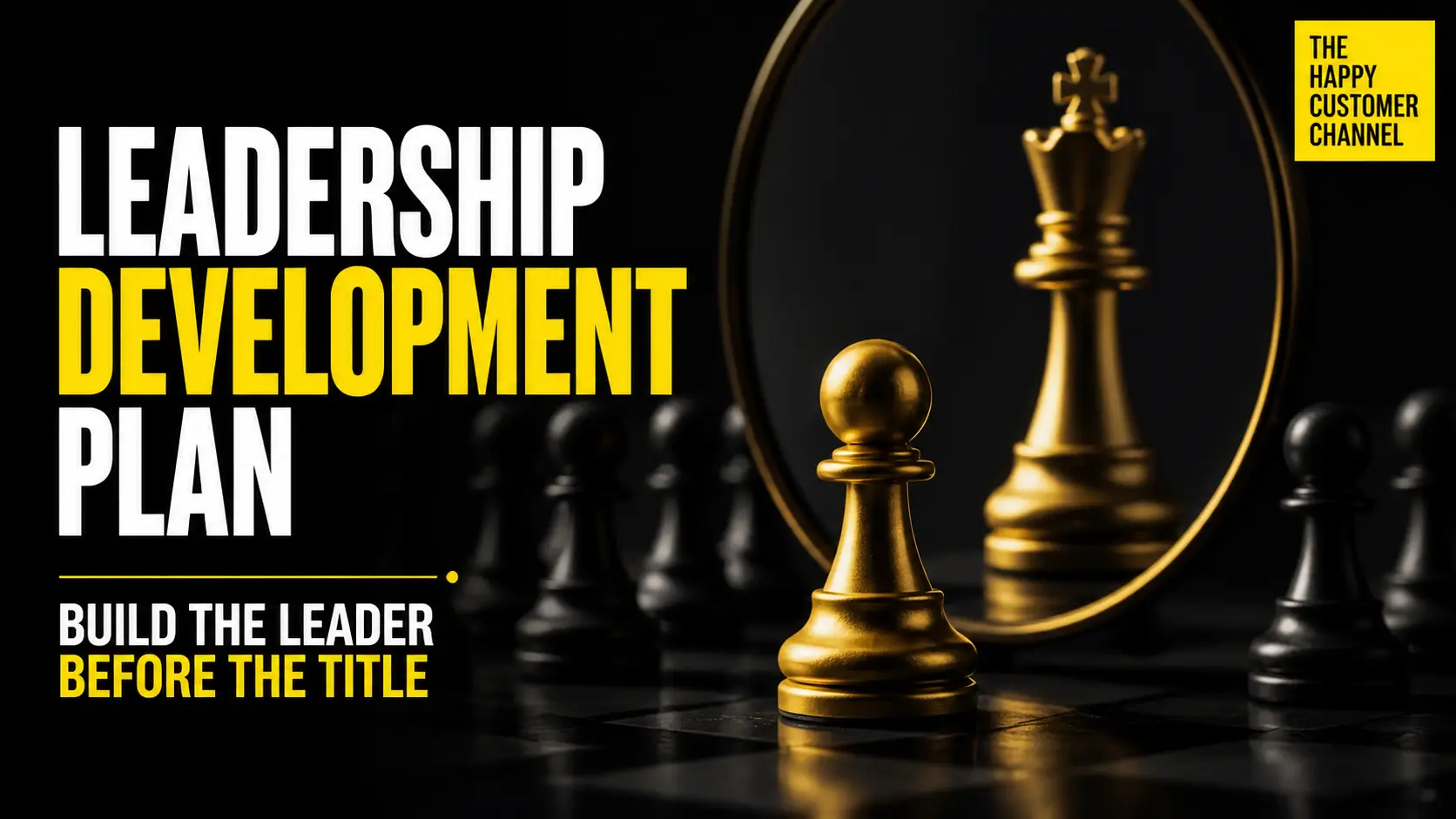
What good is a title if you haven’t built the foundation to lead? Too many companies treat leadership like an inheritance. Hand out the title. Watch the problems pile up. Why? Because the best leadership development plan doesn’t start at promotion—it starts way earlier. If you’re just handing out titles, you’re begging for chaos down the line. Let’s talk about actually building leaders before the title gets anywhere near them.
Why Leadership Development Plans Fail: The Title Trap
Here’s what most companies get wrong: their leadership development plan is a late-stage badge, not a process. They dip employees into generic training after promotion. The theory gets thicker than molasses. Sound familiar? If you want high standards, it has to start before someone gets any authority. Customers and teams spot an imposter a mile away—especially a manager who’s still thinking like a solo contributor. You don’t send a rookie onto the field on game day. So why do we promote before preparing? Promotions won’t magically create leaders. In fact, it almost always backfires.
If you’re still relying on a one-size-fits-all seminar or a dusty handbook, let me break it to you: your future leaders aren’t learning what matters. Customers will feel every gap in your development plan. Your culture will show the cracks. This isn’t theory—this is boots-on-the-ground reality. The result? Teams break down. Customer trust erodes. Morale hits the floor. The leadership development plan you thought you had is just a box you check.
Build the Leader Before the Title: A Framework That Works
If you want to build a real leadership development plan, stop thinking about the finish line. Start looking at the starting block. “Someday” never arrives. Everything has to be observable before promotion. Here’s my playbook—straight from battle-tested operators:
- Identify: Don’t wait for resumes or annual reviews. Look for who steps up when things go sideways. Who earns trust from the team? Who solves problems fast, owns mistakes, calms storms?
- Deploy: Give potential leaders carrots, not crowns. Let them run a project. Handle a customer escalation. Lead a cultural initiative. Don’t risk the business—make it visible, but controlled. Growth happens under real pressure, not in a classroom.
- Coach: Rip the generic feedback out of your process. Offer no-BS, actionable coaching. “You handled that call like a leader—here’s where you slipped.” Get specific. Make the feedback count.
- Measure: Forget only looking up the org chart—get 360 feedback. Ask peers, customers, and even those outside their “lane.” Are they building trust or burning bridges?
- Decide: Only push someone into a formal role when everyone sees it—and not just you. If your customers and employees already view them as a leader, the title simply catches up. If not, wait. You’ll thank yourself later.
This isn’t corporate theory. This is how every high-performing team I’ve built or seen actually works. There’s no shortcuts here—just discipline. Building the leader before the title is hard, but it’s the antidote to bad management, high turnover, and eroded trust. Want a checklist? There it is. Execute it before you update your org chart.
Turning Leadership Plans into Customer Trust and Results
Titles don’t move customers. Behavior does. You know your leadership development plan is working when you see tighter teams, lower churn, and customers who come back because the culture feels different. Leadership discipline powers the whole system. You build it with daily actions, not annual promotions. I’ve seen organizations go from revolving-door management and plummeting customer trust to a culture of accountability—just by committing to develop leaders before the role is announced. Business outcomes improve. Customer loyalty compounds. You get fewer surprises. That’s not HR fluff—that’s bottom-line results.
If you want to build a culture where people step up, solve problems fast, and think about the customer every time—they need to lead long before the title hits LinkedIn. And if you want sustained growth, you can’t fake it. The discipline you invest now pays off later, every single time a customer interacts with your team. That’s how you build a leadership development plan that actually works.
Final Thoughts
You’re either forging leaders—or you’re building figureheads. The gap shows up in customer trust, team morale, and business results. It’s easy to wait and hope. It’s harder to do the work early, before the title. But that’s the work that matters. Build the leader first. Then watch what happens to your culture, your teams, and your bottom line.
If you want more no-fluff plays on leadership and culture—strategies that actually win customers and build loyalty—sign up for The Happy Customer Channel newsletter. Real experience. No BS. Straight to your inbox.
Common Questions
How do I spot potential leaders before they get a title?
Listen—leadership shows up way before a name plaque. I look for the people who run toward problems, not away. Who do their peers trust when the stakes get high? Who makes those tough calls, speaks up for the customer, or owns a mistake without being asked? The folks influencing without official authority—those are your future leaders. Don’t wait for permission to notice them.
What’s a practical first step for implementing a leadership development plan?
Here’s the reality: you’ve got to get people leading in the moment. Give them trial roles—let them run a meeting, handle a project, or take charge in a customer crisis. Watch how they react, then coach them hard. No fluff. You’ll see what you need to work on long before a formal promotion. That’s where real development starts—in the trenches, not in HR handbooks.
How can I tell if my leadership development plan is working?
At the end of the day, your people and your customers will tell you. Are teams working together better? Are customers happier, complaints down? Do performance issues solve themselves at the team level—without your constant intervention? That’s evidence your leaders-in-waiting are actually stepping up. The proof is in the results—not in a scorecard or certificate.
What’s the hardest part about building leaders early?
No sugarcoating it. It takes time, honest feedback, and a lot of patience. You’ll get pushback. You’ll see mistakes. Some people won’t make it, and that’s OK. But if you’re scared of short-term pain, you’ll eat long-term failure. Waiting until after promotion to spot weaknesses will cost you: lost trust, lost business, lost momentum.