
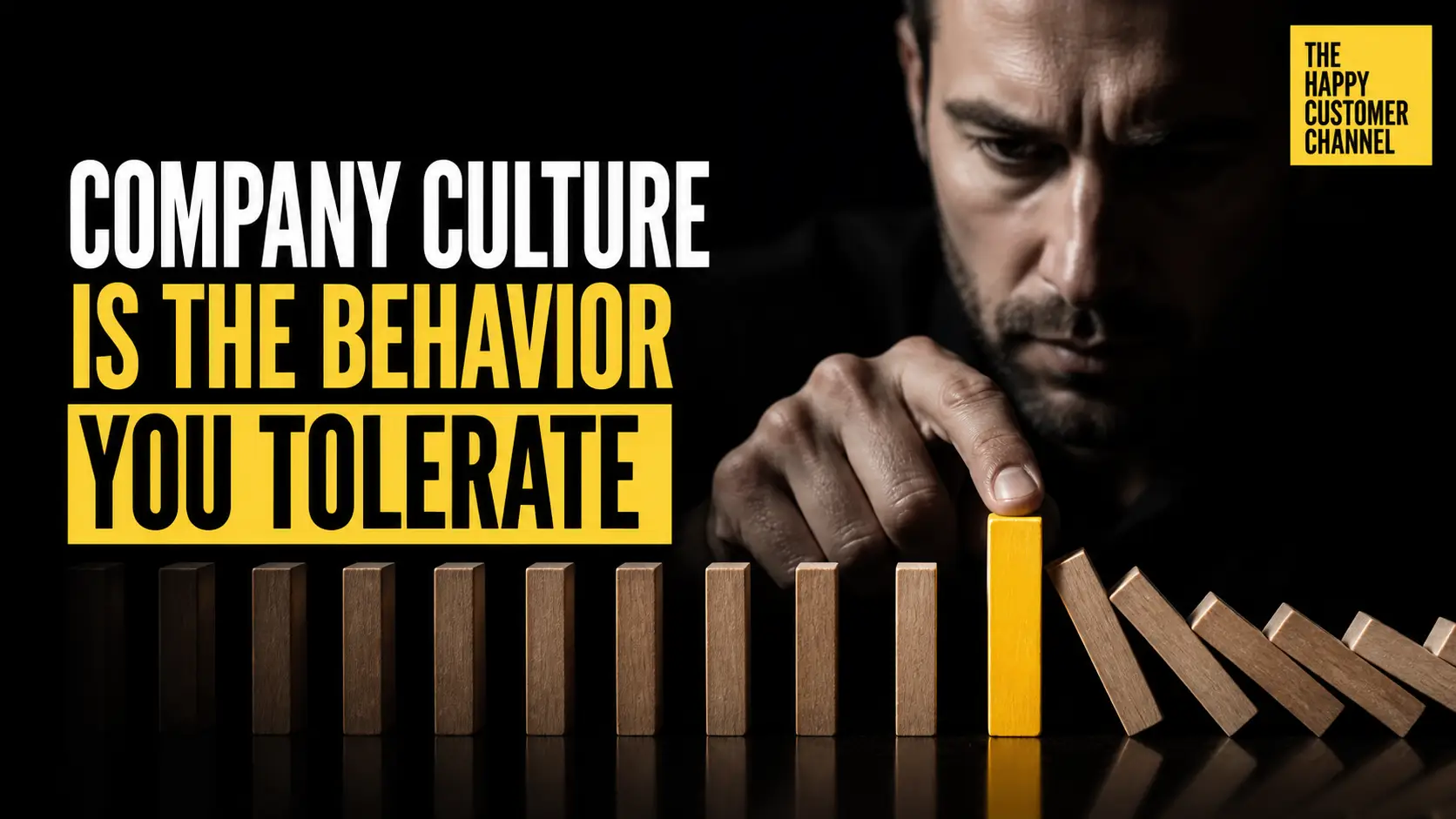
What destroys company culture faster: the brilliant jerk or the leader who turns a blind eye? I’ve watched high-performing teams crumble, not from lack of talent, but because leaders tolerated the wrong behaviors. If you’re not ruthless about defining your culture, you’re already tolerating one—and it might be the one you least expect. Forget the fancy values on the lobby wall. Company culture is what you let slide. Period.
Stop Pretending—Your Culture Is What You Let Slide
Let’s get one thing straight: culture isn’t built by employee handbooks or rah-rah emails. It’s built by what leaders choose to ignore. Most culture failures start right here. Someone consistently misses meetings, ignores feedback, or bulldozes teammates. Nobody calls it out. Why? Because the numbers still look good. Because “that’s just who they are.” Because conflict is uncomfortable. That’s the myth—and it’s killing your culture. Every time you stay silent, you’re announcing to your entire team, “This is fine.” The result? Disengaged teams. Erosion of trust. And sooner or later, the customer feels it too. When bad behavior goes unchecked, it becomes the standard. Not in principle—in practice. Everyone sees it. Most just won’t say it out loud.
The Operator’s Checklist—What Are You Tolerating Today?
You can’t fix what you won’t see. Here’s a checklist I use when I get the gut feeling something’s off in the culture. Run through these points—every answer reveals a truth about your company culture. Don’t flinch.
- Who’s chronically late or underprepared for meetings—and nothing happens?
- Which team members are allowed to cut corners or dodge accountability?
- Where does “that’s just how they are” hide disruptors who poison team morale?
- What patterns of missed deadlines, blame-shifting, or gossip do managers overlook because the results look fine?
- Who gets away with bending rules because they’re a “top performer”?
If you nodded your head at any of these, stop kidding yourself. That’s your culture. Every tolerance becomes permission. And that silent permission will bleed into your product, your service, and ultimately, your reputation. Customers don’t experience the press releases—they experience the ripple effects of your tolerated behavior. HR might have no clue. Your front-line staff? They’re living it every day.
Leadership Discipline—Build Culture Through What You Enforce
You want loyalty, trust, and remarkable customer outcomes? It starts with simple, disciplined leadership. Hold the line—on small things and big things. Publicly. Privately. Don’t let a minor breach fester into a systemic problem. Address issues early. Make expectations non-negotiable. People watch what you do, not what you say. That’s how trust gets built. That’s how you create a real culture—one that scales, one customers talk about for the right reasons.
Here’s my culture discipline framework for leaders who actually want to win:
- See it: Don’t sugarcoat. Ask your team—and yourself—what’s really tolerated, not just what’s written.
- Say it: Call out the breach. Do it quickly. Vague rules breed vague results.
- Do it: Back it up with action—consistently. Excuses today become your problems next quarter.
- Reinforce it: Celebrate the behaviors you want to see. Coach, course-correct, and reward accordingly.
- Own it: The fish rots from the head. If you’re not modeling the behavior, nothing else matters.
This is how you stop culture rot before it starts. Want customers to trust your brand? Make sure your people trust your leadership, first. Great internal culture is the engine of every exceptional customer experience. Every. Single. Time.
Final Thoughts
Your customers don’t buy your mission statement—they buy the relentless consistency of your team. That’s forged, day in and day out, by one thing: the discipline to confront what you tolerate. You want to lead your industry? Then start by leading your culture, without apology and without compromise. For deeper practical frameworks on leadership and culture, check out the foundational resources at The Happy Customer Channel. Ready to level up?
If you’re serious about building a resilient, high-trust company culture, join our newsletter for direct, no-spin strategies delivered to your inbox every week.
Common Questions
How do I know if my company culture is helping or hurting my business?
Listen—culture shows up in what people tolerate when nobody’s looking. Are deadlines slipping? Is feedback ignored? Does gossip get a pass? If those issues fade into the background, your culture is working against you, not for you. Audit your daily realities, not your slogans. At the end of the day, what you let happen is what you endorse. And if that includes undermining behaviors, your results will reflect it—so will your customer experience.
What’s the quickest way to fix a toxic company culture?
Here’s the reality: you can’t fix toxicity by hoping it’ll go away or launching a flashy “values” campaign. The fastest way? Stop tolerating the behaviors that are poisoning your team, no matter who displays them—even rockstars. Address it directly, set unmistakable expectations, and follow through. Leadership is the lever. If you don’t pull it, you’re complicit. Fixing culture means backing words with hard choices. Always.
Why does my team seem disengaged even though we have ‘good values’?
Good values don’t matter if they’re optional. What I’ve seen is this: If leaders allow exceptions or play favorites, teams disengage. People notice what’s rewarded and what’s ignored. They realize the “real” rules aren’t what’s printed in onboarding, but what happens when nobody’s watching. If you want engagement, make your values the baseline—not the exception. Live them, enforce them, or forget about them.
How does company culture affect customer experience?
Every slip you tolerate inwardly gets magnified outward. Weak internal culture shows up as missed details, dropped balls, and bad attitudes with customers. Here’s the truth—your front-line team WILL pass the buck, lose motivation, or get sloppy if that’s what they see from leadership. Customers don’t care what you claim; they feel your real standards. Build a strong company culture, and your customers will feel it. Fail, and they’ll go somewhere else. Simple as that.