Amazon Prime One Medical and the Future of Care

FULL EPISODE HERE

Amazon Prime One Medical: What Amazon’s Healthcare Strategy Means for Employers, Consumers, and the Future of Care

Healthcare is one of the largest, most expensive, and most inefficient sectors in the economy, which is exactly why it continues to attract major disruptors. In this episode, the conversation focuses on Amazon’s expanding healthcare strategy through Prime One Medical and examines what that move could mean for employers, consumers, and the broader care ecosystem.

The core idea is straightforward: Amazon is not just trying to sell another healthcare product. It is attempting to build a scalable healthcare platform around convenience, affordability, and integrated services. But in healthcare, scale and brand recognition are not enough. Success depends on trust, operational depth, clinician access, and the ability to solve real cost and care delivery problems.

What This Episode Covers

This episode breaks down why healthcare remains such a compelling market for Amazon, why its earlier efforts struggled, and why the One Medical acquisition gives it a stronger position. It also explores what business leaders should pay attention to as healthcare shifts toward more integrated, employer-driven, and data-enabled models.

  • Why healthcare is a strategically attractive market for Amazon
  • How Prime One Medical is positioned in the market
  • Why trust is the biggest barrier to healthcare adoption
  • What Amazon gained by acquiring One Medical instead of building from scratch
  • Why previous healthcare initiatives failed to gain traction
  • How employers are pushing demand for better healthcare economics
  • The growing role of direct contracting, food as medicine, and AI in healthcare transformation

Key Insights

Trust Is the Real Currency in Healthcare

The strongest insight from the episode is that trust matters more than technology in healthcare. Consumers are not simply buying convenience. Employers are not simply buying a lower-cost vendor. Both groups need confidence that the provider can deliver quality care, guide people to appropriate next steps, and operate reliably within a highly sensitive system.

This is why Amazon’s most important move was not launching another digital health service. It was acquiring One Medical, which already had established patient relationships, clinician credibility, and enterprise trust. As one of the episode’s central ideas puts it, Amazon “kind of bought trust.” In a market where confidence drives adoption, that may be more valuable than any standalone technical capability.

Low-Cost Access Reduces Friction and Drives Trial

Prime One Medical’s pricing strategy matters because it lowers perceived risk. When a healthcare access product is offered at a very low subscription price, more customers are willing to test it without needing to fully commit. The logic is simple: if the price point feels negligible, trial becomes easier.

That makes Prime One Medical compelling as an entry point into healthcare relationships. It is not positioned as a replacement for comprehensive insurance. Instead, it serves as a convenient, low-friction front door to primary care access. For business leaders, this reinforces an important go-to-market principle: adoption increases when the offer is simple, affordable, and tied to a clear use case.

Brand Alone Cannot Solve Healthcare Complexity

One of the clearest lessons from Amazon’s earlier healthcare efforts is that healthcare disruption fails when companies underestimate operational complexity. Healthcare is not just a software problem, a logistics problem, or a customer acquisition problem. It is a delivery problem that requires clinicians, workflows, referrals, care coordination, compliance, and sustained patient trust.

Amazon Care struggled because healthcare requires more than consumer reach and technical capability. It requires dense provider infrastructure and a model that works for multiple stakeholders at once. The episode makes this point clearly: healthcare is very complicated, and market entry is fragile when a company overestimates the power of brand alone.

Acquisition Can Be the Fastest Path to Credibility and Scale

The One Medical acquisition gave Amazon what it could not build quickly enough on its own: clinicians, patients, enterprise contracts, and an operating care model already in market. That matters because in complex industries, speed is not just about launching faster. It is about compressing the time needed to earn legitimacy.

For executives thinking about expansion strategy, this is a useful reminder that acquisitions create value when they bring more than technology. In this case, the real assets were embedded relationships and care delivery infrastructure. Amazon did not just buy a healthcare company. It bought distribution, trust, and operating capability.

Employers Are Becoming a Major Force in Healthcare Change

The employer market is central to this discussion because rising healthcare costs continue to pressure self-insured organizations. Employers are increasingly willing to explore new models when those models produce direct and measurable savings. That is especially true when traditional spending keeps rising without corresponding improvements in employee outcomes.

This is why enterprise healthcare adoption must be evaluated differently from consumer adoption. Employers care about cost reduction, utilization patterns, and financial predictability. If a new model can help reduce unnecessary spending or improve care navigation, it becomes far more attractive. Healthcare innovation is no longer just about patient experience. It is also about business economics.

Direct Contracting Could Reshape Healthcare Purchasing

One of the most practical opportunities discussed in the episode is direct contracting. The appeal is straightforward: employers can reduce costs by bypassing traditional middle layers and negotiating more directly with providers. As the episode notes, “you cut out the middleman.”

That creates the potential for dramatically better pricing and more transparent economics. For employers, direct contracting is not just a procurement tactic. It is a structural strategy for regaining control over healthcare spend. As pressure builds on benefit budgets, this approach is likely to become more important.

The Future of Healthcare Is Integrated, Not Isolated

A major strategic takeaway is that the next wave of healthcare innovation will likely come from integrated ecosystems rather than disconnected products. Amazon has an unusual advantage here because it can potentially connect primary care, pharmacy, nutrition, and consumer convenience in one experience.

That matters because healthcare outcomes are shaped by more than clinical visits alone. Medication access, food quality, ongoing engagement, and navigation all influence results. The discussion around “food is looked at as medicine” points to a broader shift in how care is understood. Long-term value may come from companies that can coordinate these adjacent services instead of treating them as separate categories.

AI’s Near-Term Value Is Operational, Not Just Clinical

AI is often discussed in healthcare in terms of diagnosis and clinical decision-making, but this episode highlights a more immediate use case: improving efficiency and patient communication. In the near term, AI can create real advantage by helping organizations respond faster, guide patients better, and reduce administrative friction.

The quote that “the machine was more empathetic than the human clinician” is especially notable because it challenges assumptions about where AI can add value. While full clinical transformation may take time, operational and communication improvements are already meaningful. In healthcare, better responsiveness and clearer guidance can materially improve the customer experience.

Framework

Trust + Data Framework

Trust: Consumers and employers must believe the provider can deliver quality care and appropriate referrals.

Data: Scaled healthcare models create value when they effectively capture and use health, pharmacy, and behavioral data.

Implication: A healthcare platform can only scale when customer confidence and data-driven coordination work together.

Dual Perspective Evaluation

Employer perspective: Focus on cost savings, particularly for self-insured organizations.

Consumer perspective: Focus on convenience, access, and confidence in care quality.

Implication: Healthcare offerings must solve for both buyer economics and end-user trust.

Build vs. Buy Market Entry Strategy

Build: Amazon Care represented an internal attempt to create a healthcare solution.

Buy: One Medical delivered clinicians, patients, and enterprise contracts immediately.

Implication: In complex industries, acquisition is often the faster and lower-risk route to scale.

Healthcare Ecosystem Integration Model

  • Primary care access through One Medical
  • Pharmacy fulfillment through Amazon
  • Nutrition and food access through Whole Foods
  • Potential AI-enabled engagement and navigation

Implication: Long-term competitive value comes from integrating adjacent services into a single consumer experience.

Key Takeaways

  • Healthcare is attractive to Amazon because it is massive, inefficient, and costly.
  • Prime One Medical is a low-cost access point, not a replacement for full insurance.
  • Trust is the biggest barrier to adoption in healthcare.
  • Amazon’s acquisition of One Medical accelerated entry by providing clinicians, patients, and enterprise relationships.
  • Healthcare disruption requires operational depth, not just technology and brand recognition.
  • Employers are increasingly motivated to adopt new models that produce measurable savings.
  • Direct contracting can reduce costs by removing middle layers in healthcare purchasing.
  • The future of healthcare will likely be driven by integrated ecosystems across care, pharmacy, nutrition, and navigation.
  • AI will create near-term value first through operational efficiency and better patient communication.

Who This Is For

This episode is especially relevant for:

  • Employers evaluating new healthcare benefit models
  • HR and benefits leaders managing self-insured healthcare costs
  • Healthcare operators tracking competitive and market shifts
  • Strategy leaders studying build-versus-buy decisions in complex industries
  • Founders and investors interested in healthcare innovation
  • Commercial teams selling into employer healthcare markets

Watch the Full Episode

To hear the full discussion on Amazon’s healthcare strategy, Prime One Medical, employer cost pressure, direct contracting, and the future role of AI and integrated care ecosystems, watch the complete episode.

FAQ

Is Prime One Medical meant to replace traditional health insurance?

No. Prime One Medical is positioned as a low-cost, convenient primary care access point. It can improve access and patient experience, but it is not a substitute for comprehensive insurance coverage.

Why did Amazon acquire One Medical instead of building its own healthcare system?

Because healthcare requires trust, clinician networks, patient relationships, and enterprise contracts that are difficult to build quickly. One Medical gave Amazon immediate operating infrastructure and credibility that internal buildout could not deliver fast enough.

Why should employers care about Amazon’s move into healthcare?

Employers, especially self-insured ones, are under growing pressure from rising healthcare costs. If new models from companies like Amazon can improve access while producing measurable savings, they could become meaningful alternatives in employer-sponsored healthcare.
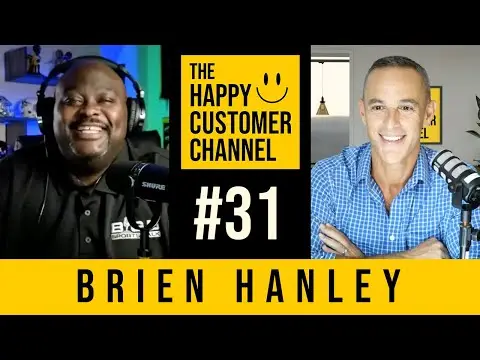
Brian Hanley on Building a Brand Through Authenticity

FULL EPISODE HERE

How Brian Hanley Built a Sports Media Brand Through Authenticity, Consistency, and Clear Positioning

In crowded markets, generic messaging gets ignored. That is true in sports media, and it is just as true in business. In this episode, Brian Hanley of Big B Sports Talk shares how he built a growing content brand by doing something many creators and companies fail to do: taking a clear position, staying authentic, and showing up consistently.

A former elite athlete turned sports content creator, Hanley did not grow by chasing hot takes or overproduced content. He grew by creating honest, rational commentary that audiences could trust and engage with. His signature approach, “Make it make sense,” became more than a catchphrase. It became a brand strategy built on differentiation, credibility, and repetition.

The main idea from this conversation is simple but powerful: sustainable growth comes from clarity and consistency, not complexity. For business leaders, creators, and entrepreneurs, Hanley’s story is a practical lesson in how trust compounds when your message, behavior, and value proposition stay aligned over time.

What This Episode Covers

This episode explores how Brian Hanley turned a distinct point of view into a growing media business. It focuses on what actually drives traction in competitive markets: authentic positioning, disciplined execution, audience engagement, and the willingness to commit fully.

  • How “Make it make sense” became a differentiated brand angle
  • Why authenticity is a trust-building business strategy
  • What changed when Hanley left corporate America and went all in
  • Why consistency matters more than one-off quality
  • How audience interaction fuels loyalty and repeat attention
  • Why credibility depends on staying in your lane
  • How to start with simple tools instead of waiting for perfect conditions
  • Why early discouragement causes many strong ideas to fail too soon

Key Insights

Differentiation Wins in Crowded Markets

Hanley’s growth started when he identified a gap in sports media and built around it. Instead of adding more noise to an already saturated space, he created a recognizable angle rooted in rational commentary. His “Make it make sense” approach gave audiences an immediate understanding of what he stood for and why his content was different.

That matters in every business category. If your market cannot quickly understand what makes your brand distinct, customer acquisition becomes slower and more expensive. Strong positioning removes ambiguity. It tells people not only what you do, but how you think and why they should pay attention.

Generic brands often rely on volume to compensate for a weak identity. Distinct brands build memory faster because they are easier to categorize and easier to trust. Hanley’s example shows that clear positioning is not just a branding exercise. It is a growth lever.

Authenticity Is a Business Asset, Not a Personality Trait

One of Hanley’s strongest points is that audiences, especially younger ones, can quickly detect when something feels artificial. His success came from being direct, honest, and consistent in his opinions rather than performing for approval.

In business terms, authenticity reduces friction. Customers trust brands that sound human, act consistently, and do not change identity to fit every trend. Teams trust leaders who say what they believe and follow through on it. Markets reward reliability more than polish.

Authenticity is often framed as a soft concept, but it has hard business outcomes. It strengthens retention, improves engagement, and creates long-term brand durability. Hanley’s story is a reminder that trust is built when what you say, how you act, and what people experience all line up.

Full Commitment Accelerates Momentum

Hanley makes it clear that real traction started when he stopped treating content creation like a side experiment and committed fully. Leaving corporate America was not just a personal decision. It changed the level of focus, output, and urgency behind the business.

This is a critical lesson for entrepreneurs and business leaders. Part-time energy often creates part-time results. Strategic commitment sharpens decisions, increases consistency, and forces operational discipline. It moves a project from optional to essential.

That does not mean every business must take an all-or-nothing leap immediately. It does mean leaders should be honest about whether their level of commitment matches their expectations. If the goal is meaningful growth, the operating intensity must reflect that goal.

Consistency Builds Recognition, and Recognition Builds Trust

Hanley highlights an issue many creators and brands underestimate: good content alone is not enough. If audiences only see you once, or if they visit a page with little depth, there is not enough repetition to create familiarity. And without familiarity, trust does not form.

Consistency is what turns quality into momentum. Repeated exposure reinforces your message, strengthens brand recognition, and increases the odds that people remember you when they are ready to engage or buy. This is as true in sales and marketing as it is in media.

Many businesses overinvest in isolated campaigns and underinvest in sustained presence. Hanley’s experience reinforces that growth is often less about isolated excellence and more about reliable visibility over time.

Engagement Is a Growth Engine

Hanley’s daily livestream format works because it does more than deliver content. It creates a conversation. Audiences can ask questions, challenge opinions, and feel involved in the experience. That interaction turns viewers into participants and participants into loyal community members.

For businesses, this is an important shift in thinking. Engagement should not be treated as a secondary metric. It is a mechanism for growth. When customers feel heard and included, they are more likely to return, refer others, and deepen their relationship with the brand.

The practical takeaway is straightforward: do not just publish at your audience. Create opportunities for dialogue. Ask for responses. React to feedback. Build environments where people feel part of the process rather than targets of messaging.

Credibility Grows When You Stay Inside Your Expertise

Hanley is explicit about what he does not cover. He does not pretend to know hockey or soccer, and he does not try to manufacture authority in areas outside his depth. That restraint strengthens his credibility because audiences can tell he values honesty over reach.

This is a useful model for leaders, consultants, and sales teams. Credibility is not built by claiming expertise everywhere. It is built by being precise about where you can add value and where you cannot. Clear boundaries increase trust because they signal integrity.

In a market full of inflated claims, disciplined self-awareness becomes a competitive advantage. People trust specialists who know their lane and stay in it.

Starting Simple Beats Waiting for Perfect Conditions

Hanley’s advice on execution is direct: if you have a phone, a laptop, and a good microphone, you can start. He rejects the common belief that creators need premium setups or polished production before they begin.

This is a broader business lesson about action bias. Many people disguise hesitation as preparation. They wait for better tools, better timing, or better confidence. Meanwhile, others start with what they have, learn in public, and build momentum faster.

Early-stage growth usually depends more on message clarity, speed, and consistency than on sophisticated equipment or complex systems. Hanley’s example reinforces that execution creates data, and data improves strategy. Waiting creates neither.

Early Discouragement Kills More Good Ideas Than Bad Strategy

Hanley admits that his first 60 days were frustrating because he expected faster results. What changed was not just his content, but his understanding of how audience growth works. Quality matters, but repeated exposure is what gives quality a chance to convert into trust.

This is highly relevant for business leaders launching new offers, campaigns, or brand initiatives. Slow traction is not always a signal of failure. Sometimes it is simply the normal timeline required for the market to notice, understand, and respond.

Too many strong initiatives are abandoned before they have had enough time to compound. Hanley’s advice, “Don’t get discouraged” and “Give it time to work,” reflects a disciplined approach to growth. Persistence is not blind optimism. It is often a rational response to how markets actually behave.

Framework

The “Make It Make Sense” Framework

  • Identify a confusing, controversial, or high-interest topic
  • Present a clear, rational interpretation
  • Support the view with facts and consistency
  • Invite the audience to react and decide for themselves

This framework works because it combines clarity with interaction. It gives people a strong point of view without shutting down dialogue, which is a highly effective model for modern content and brand communication.

The Authenticity and Growth Model

  • Be yourself
  • Start creating immediately
  • Stay consistent in message and output
  • Stick to your opinions instead of flip-flopping
  • Build trust through real-time audience interaction

This model reinforces a key business principle: trust grows when audiences see the same identity, values, and perspective repeated over time.

The Creator Launch Framework

  • Choose a platform that fits your style
  • Use basic accessible tools to begin
  • Focus on what you know best
  • Publish regularly
  • Give the plan enough time to work before changing direction

For founders, executives, and creators, this is a practical blueprint for building traction without overcomplicating the early stage.

Key Takeaways

  • Clear positioning is essential if you want to stand out in a crowded market
  • Authenticity strengthens trust, loyalty, and brand durability
  • Full commitment often creates the focus required for real momentum
  • Consistency is what turns quality into familiarity and familiarity into trust
  • Audience engagement drives stronger retention and community growth
  • Credibility increases when you stay within your actual expertise
  • Simple tools are enough to start; waiting for perfect conditions slows progress
  • Early slow results are normal, and persistence is often the difference-maker

Who This Is For

This episode is especially relevant for:

  • Entrepreneurs building a personal or business brand
  • Content creators trying to grow in saturated markets
  • Business leaders looking to improve audience trust and market positioning
  • Marketing teams focused on differentiation and engagement
  • Sales professionals who want to build credibility through clarity and consistency
  • Anyone launching a new platform, show, or media-driven business

Watch the Full Episode

Watch the full conversation with Brian Hanley of Big B Sports Talk to hear how he built his brand through honest commentary, disciplined consistency, and a clear point of view that audiences could recognize immediately.

Key quotes from the episode include:

  • “I was just looking to do something that was different than everybody else.”
  • “There’s a space for just telling the truth about what’s going on.”
  • “If you’re gonna jump in, you gotta jump in.”
  • “You gotta be real. You can’t be fake.”
  • “Stop making excuses. Just start.”
  • “Don’t get discouraged.”
  • “Give it time to work.”
  • “Just talk about what you know.”

These ideas make the episode valuable well beyond sports media. They speak directly to how modern brands earn attention and trust.

FAQ

What is the biggest business lesson from Brian Hanley’s story?

The biggest lesson is that differentiation and consistency matter more than complexity. Hanley grew by owning a clear point of view, showing up regularly, and building trust through authenticity rather than chasing trends.

Why is authenticity so important for audience growth?

Authenticity helps audiences trust what they are seeing. When a brand or creator feels genuine, people are more likely to engage, return, and build loyalty over time. Fake or overly performative messaging creates friction and weakens connection.

Do you need expensive equipment to start building a content brand?

No. One of Hanley’s clearest points is that basic tools are enough in the beginning. A phone, a laptop, and a good microphone can be all you need to start. Execution, message clarity, and consistency matter more than production quality at the early stage.

How AEL Sanchez Built an Authentic DTC Brand

FULL EPISODE HERE

How AEL Sanchez Built a DTC Apparel Brand Through Authenticity, Cultural Storytelling, and Community

Most direct-to-consumer brands begin with a plan. This one began with passion.

In this episode, AEL Sanchez shares how he turned a personal creative pursuit into a growing apparel brand by consistently producing deeply researched, culturally resonant Miami content and products. His story offers a practical lesson for founders, marketers, and brand builders: strong brands do not always emerge from polished launch strategies. Often, they grow because the founder understands a community so well that the audience immediately recognizes the authenticity.

The central idea from this conversation is simple but powerful: product alone does not create momentum. Meaning does. Sanchez shows how niche cultural relevance, original design, and in-person community engagement can transform merchandise into identity-driven brand experiences.

What This Episode Covers

This episode explores how a founder can build a differentiated consumer brand by combining personal obsession, cultural fluency, and direct community engagement. It also highlights why offline connection still matters in a digital-first world.

  • How authenticity became the engine behind brand growth
  • Why niche cultural storytelling creates market differentiation
  • How pop-up events deepen customer trust and loyalty
  • What the Mutiny shirt reveals about story-driven product design
  • Why visibility creates unexpected opportunities and brand credibility
  • How small design details increase perceived value and memorability

Key Insights

1. Authenticity Can Outperform Formal Brand Planning

One of the clearest lessons from the episode is that some of the strongest brands are built from genuine obsession rather than engineered positioning. Sanchez did not begin with a rigid growth plan. Instead, he created content and products rooted in what he personally cared about. That authenticity became the brand’s foundation.

For business leaders, this matters because audiences are highly responsive to credibility. When a founder creates from lived knowledge and real enthusiasm, the brand feels more believable. That lowers resistance, strengthens emotional connection, and accelerates word of mouth. As Sanchez put it, “Not planned. You just put something out there and see who feels it.”

The takeaway is not that planning is unnecessary. It is that planning works best when it is built on something real. If the foundation is authentic, the market can feel it.

2. Niche Cultural Relevance Is a Competitive Advantage

Many brands make the mistake of trying to appeal to everyone too early. Sanchez’s approach shows the opposite path: create for a specific community first. By focusing on culturally resonant Miami stories, references, and identity markers, he made the brand more meaningful to the people most likely to care.

In crowded markets, specificity is often more powerful than broad appeal. Niche relevance creates differentiation because it is harder to copy. It also gives customers a stronger reason to identify with the brand. When people feel represented, they do not just buy a product. They adopt it as part of their identity.

That is a major strategic advantage. A brand that means something to a well-defined group will often outperform a brand that is visible to a broad but indifferent audience.

3. Storytelling Turns Products Into Premium Experiences

A recurring theme in the episode is that meaning increases value. Sanchez’s discussion of the Mutiny shirt illustrates how a product anchored in local history can create emotional impact far beyond the item itself. This is where storytelling becomes a business asset.

Products that carry a real story become conversation pieces. They invite curiosity, create emotional reactions, and give customers something to share with others. That raises perceived value without relying solely on price, materials, or trend cycles.

For consumer brands, this is a critical lesson. The strongest products do not just serve a function. They communicate identity, memory, and belonging. That is how a simple apparel item becomes a premium brand experience.

4. In-Person Engagement Builds Relationship Equity

Sanchez strongly emphasizes the value of pop-ups and live events, and for good reason. Digital channels are efficient for reach and conversion, but they cannot fully replace face-to-face interaction. His point is clear: “Touching people, being out there, face to face, you can’t put a price on that.”

In-person engagement builds trust faster because customers experience the brand directly. They meet the founder, ask questions, react to the products in real time, and feel part of something more personal than a transaction. This creates relationship equity that often leads to stronger loyalty, repeat purchases, and advocacy.

For DTC brands, this is especially important. Online convenience drives access. Offline presence drives depth. The businesses that combine both are often better positioned to build long-term community.

5. Small Design Details Drive Memorability

Another important business lesson from the episode is that details matter more than many founders realize. Sanchez highlights how original visual elements and thoughtful references can dramatically increase the impact of a product. In his words, “It’s those little details, man.”

Small details signal care, originality, and cultural fluency. They reward attention. They also give customers a reason to talk about the product, which increases memorability and supports organic brand spread. In a market where many products are visually interchangeable, details can become a meaningful point of distinction.

For brand builders, this means design should not be treated as surface-level decoration. It is part of how the brand communicates expertise, intent, and emotional relevance.

6. Visibility Creates Opportunities You Cannot Predict

One of the most practical insights from Sanchez is that you never fully know who is paying attention. “You never see whose eyes are on it,” he says. That idea has major implications for how founders should think about consistency and quality.

Every product release, event appearance, and piece of content can become a brand-defining moment. The right customer, collaborator, press contact, or influential supporter may be watching long before they engage. Brands that show up consistently create more surface area for opportunity.

This is why visibility matters. Not empty visibility, but meaningful presence. When the work is strong and the story is real, exposure can turn into credibility, partnerships, and accelerated growth from unexpected sources.

7. Community-Based Brands Win by Creating Shared Identity

At its core, this episode is about building a brand that people feel part of. Sanchez’s success reflects a broader truth: customers become more loyal when they see themselves in what a brand represents. Community-based brands do more than sell products. They validate shared experience.

That is especially important for local and culturally specific brands. By preserving and celebrating shared history, they create emotional depth that larger, more generic competitors often cannot match. The result is stronger customer attachment and more durable brand equity.

For business leaders, the implication is clear. If you want loyalty, build beyond the transaction. Create a brand that helps customers express who they are and what they belong to.

Framework

Organic Brand-Building Framework

  1. Start with genuine personal passion or expertise
  2. Share content consistently to attract like-minded people
  3. Observe what resonates with the audience
  4. Convert attention into products people identify with
  5. Reinforce the brand through community engagement online and offline

This framework explains why Sanchez’s brand grew organically. He did not manufacture relevance. He built from a real point of view, then let audience response guide what came next.

Community Connection Framework

  1. Build digitally for reach and convenience
  2. Show up physically through pop-ups and live events
  3. Use face-to-face interaction to deepen trust
  4. Let customer conversations inform future products
  5. Turn transactions into long-term community relationships

This framework is a strong reminder that online sales channels are only one part of brand building. Physical presence creates a level of connection that digital commerce alone rarely achieves.

Story-Driven Product Design Framework

  1. Anchor the product in a real cultural story
  2. Add original, specific visual details
  3. Connect design choices to recognizable history or symbols
  4. Make the product spark conversation and emotional response
  5. Use the story to elevate the product beyond utility

This is where product design becomes strategic. When story and design work together, customers are not just buying an item. They are buying meaning.

Key Takeaways

  • Authenticity can be a stronger growth driver than over-structured launch planning
  • Niche cultural relevance helps brands stand out in saturated markets
  • Products become more valuable when they carry emotional and historical meaning
  • Pop-up events and face-to-face engagement build trust that online channels cannot fully replicate
  • Small design details can significantly increase perceived value and customer recall
  • Consistent visibility creates opportunities from audiences you may not realize are watching
  • Brands grow stronger when customers feel part of a shared identity, not just a sales funnel

Who This Is For

This episode is especially valuable for:

  • DTC founders building a brand in a crowded category
  • Apparel and lifestyle entrepreneurs looking to differentiate through story
  • Marketers focused on community-led brand growth
  • Local business owners trying to turn cultural relevance into brand equity
  • Creators and operators who want to convert audience attention into products
  • Business leaders interested in blending digital reach with offline connection

Watch the Full Episode

If you want a sharper understanding of how authenticity, cultural fluency, and in-person engagement translate into real brand momentum, this episode is worth watching in full. Sanchez offers a grounded, practical example of how meaningful brands are built: create from genuine passion, stay visible, and give customers something they feel connected to.

FAQ

How did AEL Sanchez grow his apparel brand without a traditional launch strategy?

He built from genuine passion and cultural knowledge first. By consistently sharing content and products that resonated deeply with a specific community, he attracted an audience organically and converted that connection into brand momentum.

Why are pop-up events so important for direct-to-consumer brands?

Pop-ups create trust, emotional connection, and direct feedback in ways that ecommerce alone cannot. They help brands move beyond transactions and build stronger relationships that often lead to loyalty and advocacy.

What can other founders learn from the Mutiny shirt example?

They can learn that original storytelling and thoughtful design details increase perceived value. When a product is rooted in real history or shared identity, it becomes more memorable, more meaningful, and more likely to generate organic conversation.

Physician to Venture Capitalist: Navine’s Framework

FULL EPISODE HERE

From Physician to Venture Capitalist: Navine’s Framework for Career Reinvention, Healthcare Innovation, and People-First Investing

Most career transformations are described as bold pivots. Navine’s story offers a more useful model for business leaders: meaningful reinvention usually happens through steady evolution.

In this episode, Navine explains how he moved from practicing anesthesiology into entrepreneurship, angel investing, and venture capital by following curiosity, building experience in adjacent spaces, and staying focused on problems that mattered. His work now sits at the intersection of healthcare innovation, underserved markets, and values-driven investing.

The core idea behind the conversation is simple but powerful: durable business value comes from solving real human problems with discipline, empathy, and long-term commitment. Whether you are a founder, investor, healthcare operator, or executive rethinking your next move, this episode offers a practical lens on what it takes to build impact and performance at the same time.

What This Episode Covers

This conversation explores how career evolution, investing discipline, and healthcare innovation intersect. Navine shares what shaped his transition from medicine into venture capital, how he thinks about backing founders, and why underserved healthcare markets represent one of the most important opportunities in business today.

  • How career reinvention often happens gradually rather than through a dramatic leap
  • Why healthcare access is a larger opportunity than simple system efficiency
  • What separates high-value investors from passive capital providers
  • Why founders and teams matter more than the original idea
  • How ethical decision-making becomes a competitive advantage in high-stakes industries
  • What building outside major venture hubs teaches about persistence and whitespace
  • Why market downturns create stronger companies and better operators
  • How authentic content can strengthen trust, brand, and leadership influence

Key Insights

Career reinvention is usually a process of evolution, not a single leap

One of the most practical lessons from Navine’s journey is that major career change often emerges through accumulation. He did not wake up one day and abandon medicine for venture capital. Instead, he moved through a sequence of related experiences: investing in startups, co-founding a healthcare services company, managing capital, and gradually building the conviction to go further.

For business leaders, this matters because it changes how transformation should be approached. Waiting for the perfect moment to make a dramatic switch often creates unnecessary friction. A better strategy is to follow energy, test adjacent opportunities, and let repeated exposure shape the next move. In business terms, evolution reduces transition risk while increasing strategic clarity.

His line captures the point clearly: “It wasn’t a leap. It was a continuous evolution.” That is a more realistic model for leadership growth, capability expansion, and long-term career design.

The best investors behave like operators, not just financiers

Navine makes a strong case that early-stage investing is not a check-writing exercise. Founders do not simply need capital. They need support across hiring, growth, fundraising, execution, and difficult decisions made under pressure.

This is where operating empathy matters. Investors with real-world experience can add value in ways that reduce risk for both the company and the fund. They can help teams prioritize, avoid predictable mistakes, and stay grounded when market conditions shift.

For founders and executives evaluating partners, this is a critical filter. Prestige is not the same as usefulness. The most valuable investors are the ones who stay engaged after the transaction, understand what company-building actually feels like, and act as long-term partners rather than distant observers.

In early-stage companies, the team matters more than the original idea

Navine directly challenges one of the most common misconceptions in startup culture: that the original concept is the main source of value. His view is more grounded in reality. Many successful companies evolve far beyond their first pitch. Markets shift, customers respond unexpectedly, and product direction changes. The founders who succeed are not necessarily the ones with the most polished initial narrative. They are the ones who can learn fast, adapt, and execute through ambiguity.

That makes resilience, coachability, and decision-making quality more important than concept novelty alone. For investors, this means diligence should focus heavily on how a team handles uncertainty. For founders, it is a reminder that flexibility is not weakness. It is one of the core capabilities required to build something durable.

As Navine puts it, “The idea is an idea.” The company becomes real through the people who shape it over time.

Healthcare innovation creates more value when it solves access, not just efficiency

A major theme in the episode is that healthcare innovation often focuses too narrowly on improving the experience for people already inside the system. Navine argues that the larger opportunity lies elsewhere: reaching people who are excluded from care altogether.

This is an important business insight. Many of the biggest healthcare outcomes and cost problems begin before a patient enters the formal system. If companies can build practical, community-based delivery models that reach underserved and Medicaid populations, they are not only creating social value. They are addressing a large and underdeveloped market.

That perspective shifts innovation away from incremental optimization and toward meaningful inclusion. It also forces founders to think beyond software alone. Access problems are shaped by logistics, trust, regulation, and local realities. The winners in this space are often the ones willing to design around the actual conditions of care delivery rather than idealized assumptions.

Ethical clarity is a business advantage, not a constraint

Navine repeatedly returns to the principle “First, do no harm.” In healthcare, AI, and other innovation-heavy sectors, this is more than a moral position. It is a strategic one.

When industries move quickly, the temptation is to prioritize speed, growth, and narrative over customer outcomes and downstream risk. But businesses that ignore ethical discipline often create exposure they eventually have to pay for through damaged trust, regulatory scrutiny, or poor product decisions.

Leaders who build with ethical clarity create stronger brands and more sustainable operating models. They make better decisions because they understand where the boundaries are. In this sense, ethics improves focus. It helps companies scale responsibly, maintain stakeholder trust, and protect long-term value creation.

Overlooked markets can create asymmetric opportunity

Building outside major venture centers comes with real challenges. Navine describes the need to overcome education gaps, skepticism, and thinner local infrastructure. But he also makes clear that difficulty can signal opportunity.

Regions and sectors that receive less attention often have less competition, less noise, and more room to build a differentiated brand. The same logic applies to customer groups that are routinely ignored. Businesses willing to serve these markets with patience and consistency can create meaningful strategic advantage.

This is especially relevant for founders and fund managers outside coastal ecosystems. A market being underserved does not mean it lacks value. In many cases, it means the value has not yet been organized, communicated, or captured effectively.

Market resets build stronger companies

Navine sees recent venture market pullbacks not just as painful corrections, but as necessary quality filters. In looser markets, companies can survive too long on inflated valuations, weak discipline, and capital-heavy habits. Tougher environments force clarity.

That pressure often produces better operators. Founders become more realistic about burn, more deliberate about hiring, and more focused on sustainable growth. Investors become sharper about underwriting risk and assessing fundamentals. As a result, the companies that survive tend to be more resilient and operationally sound.

His observation is straightforward: “If the business exists, they’re tough, they’re smarter, they’re more disciplined.” For leaders in any sector, the takeaway is clear. Market adversity is not only a threat. It is also a test that strengthens capable teams and removes fragility from the system.

Authentic content is a strategic leadership asset

Navine’s approach to content, particularly on LinkedIn, reflects a broader lesson for executives and founders. Thought leadership is most effective when it is not treated as performance. It works when it is used to share real experience, process ideas in public, and build trust over time.

Authentic communication can expand opportunity in multiple directions. It can attract talent, strengthen relationships with investors and founders, improve brand credibility, and make complex industries more accessible. In venture capital especially, where trust and judgment are central, this kind of visibility compounds.

The key distinction is that authenticity is not casualness. It is disciplined transparency. It requires consistency, clarity, and a willingness to speak from lived experience rather than polished abstraction.

Framework

Evolution Over Leap

  • Start with curiosity
  • Learn through adjacent experiences
  • Invest time before fully transitioning
  • Build conviction through repetition
  • Turn side momentum into a core focus

This framework is especially useful for executives considering a shift into entrepreneurship, investing, or a new sector. Instead of forcing abrupt change, it emphasizes compounding insight and confidence through repeated action.

People-First Investing

  • Focus on the human problem first
  • Evaluate founders for adaptability and resilience
  • Align with stakeholders in the system
  • Stay actively involved after investing
  • Optimize companies through partnership, not distance

This reflects Navine’s belief that venture capital is fundamentally a relationship business. Capital matters, but people, trust, and practical support determine whether value is actually created.

Access-to-Care Innovation Lens

  • Identify who is excluded from the current system
  • Build care closer to the community
  • Address logistics, regulation, and delivery realities
  • Use technology as an enabler, not the full solution
  • Design for underserved populations with practical follow-through

For healthcare founders and investors, this is a strong operating lens. The opportunity is not only to optimize existing workflows, but to build models that reach people the current system fails to serve.

Venture Client Duality

  • Serve investors through stewardship, alignment, and reporting
  • Serve portfolio companies through support, optimization, and risk mitigation
  • Maintain thesis consistency across both sides
  • Build trust through communication and execution

This framework highlights an often overlooked truth in venture capital: fund managers serve two customer groups at once. Success depends on balancing both with discipline and credibility.

Underdog Mentality

  • Recognize dissatisfaction or adversity honestly
  • Use discomfort as a signal, not a dead end
  • Lean into untapped potential
  • Stay persistent through uncertainty
  • Build confidence through repeated forward motion

This mindset ties together much of Navine’s path. The throughline is not image or certainty, but steady persistence. As he says, “I’m just a person who keeps waking up and being stubborn and keeps moving forward.”

Key Takeaways

  • Career reinvention works best as an iterative process, not a forced dramatic pivot
  • Early-stage investors create the most value when they bring operational support and empathy
  • Founders’ adaptability and resilience matter more than the originality of the initial idea
  • Healthcare innovation has outsized potential when focused on access for underserved populations
  • Ethical discipline improves trust, decision quality, and long-term business resilience
  • Building in overlooked regions and markets can create differentiated opportunities
  • Market downturns reward operational discipline and expose what is truly sustainable
  • Authentic content can strengthen leadership credibility and expand strategic opportunities

Who This Is For

This episode is especially valuable for:

  • Founders building in healthcare, regulated industries, or underserved markets
  • Investors looking to sharpen a people-first, operator-minded approach
  • Executives considering a career transition into entrepreneurship or venture capital
  • Healthcare leaders focused on access, community-based care, and practical delivery innovation
  • Emerging fund managers and operators building outside traditional venture hubs
  • Business leaders using content to build trust, authority, and long-term brand value

Watch the Full Episode

To hear Navine break down his journey, investing philosophy, and views on healthcare innovation in full, watch the complete episode. The conversation offers practical lessons for anyone building companies, backing founders, or navigating an unconventional leadership path.

FAQ

What is the main leadership lesson from Navine’s career journey?

The biggest lesson is that meaningful career change often happens through gradual evolution. Leaders do not need to wait for a single bold moment. They can build toward the next chapter through adjacent experiences, repeated learning, and disciplined experimentation.

Why does Navine believe teams matter more than ideas in early-stage investing?

Because early-stage companies rarely look the same over time as they did in the first pitch. Markets change, customer feedback shifts priorities, and execution challenges force adaptation. Founders who are resilient, coachable, and capable of learning create better outcomes than teams relying only on a strong initial concept.

What makes healthcare access such an important business opportunity?

Access addresses unmet demand at the edge of the system, especially among underserved and Medicaid populations. Companies that can build practical, community-based delivery models are solving high-value problems that are both socially significant and commercially compelling.

Pig Floyd BBQ: Branding Through Consistency

FULL EPISODE HERE

How Pig Floyd BBQ Built a Standout Brand Through Consistency, Craft, and Operational Discipline

Most entrepreneurs talk about passion. Far fewer build a business with the discipline to make that passion repeatable at scale.

That is what makes this conversation with Patrick, founder of Pig Floyd BBQ, especially relevant for founders, operators, and brand builders. His journey from nearly 25 years in IT and corporate infrastructure into Miami’s barbecue scene is not just a career pivot story. It is a business case study in how craft, systems, and founder-led branding work together to create a durable company.

The central idea of the episode is simple but often ignored: quality comes first, consistency comes next, and scale only works after both are in place. Patrick’s experience shows that growth in food, hospitality, and service businesses depends less on hype and more on standards, patience, and operational rigor.

What This Episode Covers

This episode examines what it really takes to turn a personal obsession into a respected business. Patrick shares how he developed his product over years, built a distinctive brand, managed the realities of scaling through catering and food trucks, and stayed committed to quality in a market that often values speed over craftsmanship.

  • Patrick’s transition from corporate IT into entrepreneurship
  • How Pig Floyd BBQ was built through years of self-taught mastery
  • Why consistency matters more than fast growth
  • The role of systems, preparation, and operational discipline
  • How founder personality strengthens brand authenticity
  • Lessons on adapting to local markets without lowering standards
  • Practical insights on staffing, compliance, catering, and scaling
  • Why trusted relationships matter in labor-intensive industries

Key Insights

1. Career Reinvention Works When Passion Meets Process

Patrick’s move from IT and infrastructure into barbecue was not a random leap. It was a structured transition built on the same mindset that made him effective in the corporate world: discipline, systems, and repeatability.

That matters because many reinvention stories are framed as emotional decisions. This one is different. Patrick shows that changing industries does not mean abandoning professional rigor. In fact, his ability to apply enterprise-style thinking to a craft business became a competitive advantage.

For business leaders, the lesson is clear: transferable skills matter. Process design, quality control, planning, and execution can create leverage in almost any industry.

2. Mastery Takes Time, and Strong Businesses Are Rarely Built Quickly

One of the most important moments in the episode is Patrick’s reference to the time it took to refine his product: “A decade.” That timeline cuts against the common startup narrative that speed is everything.

In reality, durable businesses often emerge from long periods of experimentation and refinement. Patrick spent years improving recipes, smoking techniques, and flavor profiles before growth became the focus. He did not treat quality as something to fix later. He treated it as the foundation.

This is especially relevant in any product-driven business. If the offer is not strong, scaling simply exposes its weaknesses to more customers. Refinement is not a delay tactic. It is often the reason a business survives growth.

3. Consistency Is the Real Foundation of Scale

Patrick’s standard is straightforward: “If you eat my ribs and you come back two months later, they better taste as good as they did last time.” That sentence captures one of the clearest operating principles in the episode.

Consistency builds trust. Trust creates repeat business. Repeat business creates a platform for growth. Without consistency, scale only multiplies disappointment.

This principle applies far beyond food. In services, software, retail, and hospitality, customers stay when the experience is reliably strong. A great first impression can win a sale, but repeatable delivery builds a brand.

Patrick’s approach reinforces a sequence many founders skip. Before adding volume, locations, channels, or products, the business has to prove that quality is repeatable.

4. Operational Discipline Protects Quality

Patrick repeatedly returns to the idea that excellence is systemized. “You can’t cut corners” is not just a statement about cooking. It is a statement about management.

His background in IT appears in the way he thinks about inputs, preparation, workflow, and standards. He understands that creativity alone does not produce reliable results. Systems do.

In practical terms, that means disciplined prep, clear processes, strong quality control, and an unwillingness to compromise under pressure. This becomes even more important in businesses where customer expectations are high and operational complexity increases as demand grows.

Founders often view process as restrictive. Patrick’s example shows the opposite. Good systems create the conditions for reliable excellence.

5. Brand Authenticity Is a Competitive Advantage

Pig Floyd BBQ stands out not only because of the product, but because of the founder’s voice. Patrick’s brand is not generic, polished, or over-engineered. It is distinctive, opinionated, and clearly tied to his personality.

That authenticity matters in crowded local markets, where many businesses compete on similar categories and similar claims. A memorable founder-led brand creates emotional differentiation. It gives customers something to connect with beyond the transaction.

This is one of the episode’s strongest lessons. Brand is not always built through abstract positioning exercises. Often, it comes from a founder who is visible, consistent, and unmistakably real.

Customers may initially come for the product, but they stay for trust, familiarity, and identity.

6. Adapting to the Market Does Not Mean Lowering Standards

Patrick understands the importance of local relevance. Building a barbecue brand in Miami required awareness of regional tastes and customer expectations. But adaptation never became compromise.

This is a key strategic distinction. Smart operators adjust to the market without diluting what makes their product credible. They learn how to fit the context while protecting core standards.

Many businesses struggle here. They either become rigid and out of touch, or they become so flexible that they lose differentiation. Patrick’s example shows a better path: adapt the offer where it helps the customer, but do not undermine the quality or identity that built the brand.

7. Social Media Works Best When It Feels Real

The episode also highlights how social media becomes effective when it reflects actual personality rather than generic business content. Patrick’s voice helps make the brand memorable.

That is increasingly important in local business marketing. Audiences respond to content that feels specific, human, and recognizable. Distinctiveness gets attention. Authenticity builds connection.

For founders, this means social media should not always be delegated into blandness. The strongest content often comes from founder perspective, conviction, and point of view. In competitive categories, being memorable matters as much as being visible.

8. Trusted Relationships Matter More Than Transactions

In labor-intensive businesses, execution depends on people. Patrick’s comments on staffing and operations reinforce the importance of surrounding the business with trusted individuals who can maintain standards.

This is a critical point for any operator. Systems matter, but systems still rely on people to execute them. When the work is physically demanding, time-sensitive, and quality-dependent, trust becomes a business asset.

Strong networks also help with sourcing, logistics, events, staffing, and resilience during growth. Transactions can fill a gap in the short term. Trusted relationships create stability over time.

9. Saying No Can Be a Strategic Growth Decision

One of the most underrated lessons in the conversation is Patrick’s willingness to step away from opportunities that no longer aligned with his goals. His decision to move on from competition barbecue reflects focus, not retreat.

Business owners often assume every opportunity should be pursued. In reality, bad-fit growth can damage brand clarity, stretch operations, and pull attention away from the core business.

Strategic restraint is often what protects long-term value. Saying no to the wrong channel, customer expectation, or expansion path can be one of the smartest moves a founder makes.

Framework

Quality → Consistency → Quantity

This is the clearest scaling framework from the episode and the one with the broadest business relevance.

  • Quality: Start with strong ingredients, sound techniques, and clear standards.
  • Consistency: Make the result repeatable so the customer experience is dependable over time.
  • Quantity: Only increase volume once quality and consistency are stable.

As Patrick puts it, “Once you get those two things, you can go to quantity.” And then, “That’s how you scale it.”

Mise en Place

Patrick references a principle that applies far beyond kitchens: “Mise en place means everything in its place.”

  • Preparation determines execution quality
  • Order reduces mistakes and delays
  • Readiness improves speed without sacrificing standards

For founders and operators, this translates into workflow design, team readiness, inventory planning, and process control.

Low and Slow Discipline

Barbecue is an ideal metaphor for any business that depends on craftsmanship. The process cannot be rushed without harming the outcome.

  • Great work takes time
  • Patience is part of quality control
  • Customer education may be necessary when premium work requires waiting

Patrick acknowledges a common challenge: “People don’t like no or you got to wait.” But premium businesses often need the discipline to resist customer pressure when speed would reduce quality.

Founder-Led Brand Authenticity

  • The founder’s voice becomes part of the customer experience
  • Distinct personality creates memorability
  • Authenticity outperforms generic marketing in crowded categories

This framework is especially useful for small and growing businesses trying to compete without massive budgets. A real voice can be a stronger differentiator than polished but forgettable messaging.

Key Takeaways

  • Career pivots succeed when passion is supported by process and discipline.
  • Mastery takes time, and quality should be built before growth is pursued.
  • Consistency is the true prerequisite for scale.
  • Operational rigor is not separate from creativity; it enables it.
  • Founder personality can be a major brand asset when it is authentic and visible.
  • Adapting to local demand should never come at the expense of core standards.
  • Trusted relationships are essential in execution-heavy businesses.
  • Saying no to the wrong opportunities can protect brand strength and operational focus.

Who This Is For

This episode is especially valuable for:

  • Founders building product-based or service-based businesses
  • Restaurant, hospitality, and food entrepreneurs
  • Operators focused on scaling without losing quality
  • Professionals considering a major career reinvention
  • Local business owners competing in crowded markets
  • Brand leaders interested in founder-led marketing
  • Anyone trying to balance craft, systems, and growth

Watch the Full Episode

If you want a sharper understanding of how quality, consistency, and authentic branding translate into real business growth, this episode is worth watching in full. Patrick’s story offers a practical blueprint for founders who want to build something respected, not just visible.

Watch the full episode to hear his full journey, operating philosophy, and lessons on scaling a craft business without compromising standards.

FAQ

What is the biggest business lesson from Patrick’s Pig Floyd BBQ journey?

The biggest lesson is that scale should follow quality and consistency, not come before them. Patrick shows that growth only works when the product is strong, the standards are repeatable, and operations can deliver reliably.

Why is consistency so important for scaling a business?

Consistency builds customer trust. If the experience changes every time, growth magnifies failure instead of success. Reliable quality is what turns one-time buyers into repeat customers and creates the foundation for sustainable expansion.

How does founder personality strengthen a brand?

Founder personality creates distinction and memorability. In crowded markets, customers respond to brands that feel real and recognizable. When the founder’s voice is authentic and aligned with the product, it deepens trust and loyalty.

Brandon Beavers on Building Resilient Businesses

FULL EPISODE HERE

How Brandon Beavers Builds Resilient Businesses Through Shared Services, Strong Culture, and Operational Adaptability

What does it take to grow multiple businesses across manufacturing and consumer markets without losing operational control, product quality, or leadership focus? In this episode, Brandon Beavers shares how he built Beavers Holdings into a diversified platform designed for scale, resilience, and long-term value creation. The conversation goes beyond portfolio management and into the real mechanics of leadership: relocation, delegation, culture, customer trust, and crisis response. The central idea is clear: durable businesses are built through structure, not improvisation. And when uncertainty hits, the companies that adapt fastest and execute best create their advantage.

What This Episode Covers

This episode examines how Brandon Beavers operates a portfolio of businesses by combining centralized support functions, trusted leadership, and disciplined execution. It also explores how personal growth, strategic relocation, and better leadership boundaries can unlock stronger business outcomes over time.

  • Why relocation can accelerate entrepreneurial and executive growth
  • How shared services improve efficiency across small and mid-sized businesses
  • What culture looks like when tested under pressure
  • How businesses can pivot during disruption without losing momentum
  • Why trust and delegation are essential for multi-location leadership
  • How legacy brands stay relevant without compromising quality
  • What long-term customer relationships are really built on

Key Insights

Relocation Can Be a Strategic Growth Lever

One of the strongest themes in the episode is that geography can shape business outcomes more than many leaders realize. Beavers’ move from Chicago to South Florida was not just a lifestyle decision. It expanded his network, changed his perspective, and opened access to new relationships and long-term opportunities. His point is especially relevant for founders and operators who may be limiting themselves by staying in an environment that no longer supports their next stage of growth. As he puts it, “You can get root-bound in that pot.” For business leaders, that means location should be evaluated as a strategic decision, not just a personal one.

Shared Infrastructure Is a Force Multiplier

Beavers Holdings was intentionally built to centralize executive and administrative functions across multiple companies. By sharing resources such as accounting, HR, CFO leadership, and executive oversight, the portfolio can operate with stronger capabilities than each business could afford independently. This model creates leverage in two ways. First, it lowers overhead and improves execution. Second, it creates resilience by allowing talent and support to move where needed most. In volatile environments, that flexibility becomes a major competitive advantage.

Culture Becomes Visible in a Crisis

Culture is often discussed in abstract terms, but this episode frames it in operational terms. A strong culture reveals itself when employees remain committed during difficult periods, continue serving customers, and take ownership under stress. During COVID, Beavers saw firsthand that trusted teams and a healthy culture gave the organization staying power. When labor markets tighten, supply chains fail, and customer demand shifts, commitment cannot be manufactured overnight. It comes from leadership that has already built trust, accountability, and shared purpose into the business.

Adaptability Matters More Than Rigid Planning

Beavers emphasizes that resilient companies are not the ones with perfect forecasts. They are the ones that can adjust fastest when the market changes. His businesses faced declining casual dining demand while other channels, particularly retail, presented new opportunities during the pandemic. The ability to reallocate attention, shift resources, and move quickly became more valuable than simply staying committed to an outdated plan. This reinforces a critical leadership lesson: planning matters, but adaptability is what protects the business when conditions change unexpectedly.

Leaders Cannot Scale If They Stay the Bottleneck

One of the most practical leadership insights in the episode is that executives must stop being the default solution for every issue. Beavers reflects candidly on becoming “an easy button” for too many people, a pattern that may feel helpful in the short term but creates operational dependency over time. Leaders who absorb every problem slow decision-making, weaken team development, and increase their own risk of burnout. Scaling requires boundaries, delegation, and a willingness to let capable people solve problems without constant intervention.

Trust Is the Basis of Effective Remote Leadership

Managing businesses across multiple states requires a different leadership posture. Beavers makes it clear that remote oversight only works when the right people are in place and expectations are clearly communicated. Trust is not passive. It is built through hiring discipline, shared standards, and confidence that teams can execute even when leadership is not physically present. He also acknowledges an important reality: “Sometimes it’s not going to be perfect.” That mindset matters because leaders who demand total control often prevent strong execution at scale.

Legacy Brands Survive by Protecting What Made Them Valuable

The discussion around Affy Tapple highlights how established brands can grow without diluting their identity. Rather than cutting corners for short-term gains, Beavers reinforces the importance of maintaining the original formula, sourcing discipline, and quality standards that built customer trust in the first place. “It’s starting with quality, commitment to quality, not cutting corners,” he says. That discipline is especially important for legacy brands, where emotional connection and product consistency are often the real source of brand equity. Growth should come through smarter channels and thoughtful extensions, not erosion of the core product promise.

Customer Trust Deepens When You Perform Under Pressure

Many companies can serve customers well in stable conditions. The real test comes during inflation, supply disruption, labor shortages, and operational uncertainty. Beavers’ experience shows that reliable performance during difficult periods strengthens relationships in ways routine service cannot. Customers remember which suppliers stayed responsive, maintained standards, and found solutions when markets became unstable. In this sense, crisis conditions are not just operational tests. They are trust-building moments that can create long-term commercial value.

Framework

1. Shared Services Operating Model

  • Centralize accounting, HR, CFO, and executive functions across multiple businesses
  • Reduce overhead at the individual company level
  • Create redundancy and flexibility during disruptions
  • Cross-train talent and move high performers between companies
  • Improve leadership quality and execution without requiring every business to fund a full executive bench

This model is especially effective for middle-market operators managing several businesses with similar back-office and leadership needs. It improves efficiency while giving each company access to stronger infrastructure.

2. Brand Longevity Framework

  • Preserve the core product formula and brand integrity
  • Maintain strict quality standards and fresh sourcing
  • Build emotional connection through customer nostalgia and familiarity
  • Expand distribution and channels without compromising trust
  • Introduce premium variations to unlock growth while protecting the flagship product

For legacy consumer brands, this framework provides a practical balance between innovation and preservation. It protects what customers already value while creating room for commercial expansion.

3. Crisis Leadership Framework

  • Stabilize operations quickly during uncertainty
  • Protect employees while maintaining customer commitments
  • Reallocate resources as market demand shifts
  • Communicate clearly and make fast decisions
  • Set personal boundaries to preserve executive effectiveness over time

This approach reflects a key message from the episode: business resilience does not come from rigid control. It comes from disciplined response, operational flexibility, and leadership stamina.

Key Takeaways

  • Relocation can unlock new networks, perspective, and growth opportunities for business leaders.
  • Shared services create leverage, efficiency, and resilience across a portfolio of companies.
  • Culture becomes a real competitive advantage when teams stay committed during disruption.
  • Adaptability often matters more than scale when markets shift quickly.
  • Leaders must delegate and set boundaries to avoid becoming the organizational bottleneck.
  • Trust is essential when managing across locations and empowering teams remotely.
  • Legacy brands remain strong by protecting quality and brand integrity.
  • Customer relationships deepen when businesses perform reliably in hard times.

Who This Is For

This episode is especially valuable for:

  • Entrepreneurs managing multiple businesses or business units
  • Middle-market operators looking to scale without overbuilding overhead
  • Private equity and holding company leaders focused on operational leverage
  • CEOs and executives leading distributed teams across locations
  • Consumer brand leaders responsible for preserving quality while expanding growth channels
  • Founders working to delegate more effectively and build stronger leadership structures
  • Business owners navigating uncertainty, supply disruption, or market shifts

Watch the Full Episode

To hear Brandon Beavers explain how he built Beavers Holdings, managed through COVID disruption, and thinks about leadership, trust, and long-term brand value, watch the full episode. His perspective offers a practical blueprint for leaders who want to build businesses that last.

FAQ

What is the main business lesson from Brandon Beavers in this episode?

The biggest lesson is that durable growth comes from building systems, teams, and structures that can perform under pressure. Shared services, strong culture, leadership trust, and adaptability all work together to create resilience.

Why are shared services so important for growing companies?

Shared services allow multiple businesses to access stronger executive and operational support without duplicating overhead in each company. This improves efficiency, strengthens execution, and creates flexibility during disruption.

How can legacy brands grow without losing their identity?

Legacy brands grow best by protecting the product quality, sourcing standards, and consistency that built customer trust in the first place. Expansion should come through smarter channels and thoughtful innovation, not shortcuts that weaken the brand.

Mission-Driven Leadership Lessons from Adam Freed

FULL EPISODE HERE

Mission-Driven Filmmaking and Business Strategy: What Leaders Can Learn from Adam Freed

What happens when an entrepreneur steps into filmmaking not for prestige, but because a personal mission becomes impossible to ignore? In this episode, Adam Freed explains how his career evolved from business ownership into purpose-driven film production after moving to Germany and confronting Holocaust history woven into everyday life. His short film The Walk grew out of a deeper search for identity, responsibility, and overlooked stories that demanded attention. The conversation goes far beyond film, offering a practical look at leadership, budgeting, team-building, and distribution in a difficult market. The core idea is clear: meaningful work gains real traction when personal conviction is matched with operational discipline and a focused audience strategy.

What This Episode Covers

This episode explores how entrepreneurial skills can transfer into creative industries when the mission is clear and the execution is disciplined. Adam Freed shares how personal history became the foundation for a film project, and how business principles helped turn that mission into a viable platform.

  • How Adam Freed transitioned from entrepreneur to filmmaker
  • The origin story behind The Walk
  • Why hidden history creates compelling storytelling opportunities
  • How producing mirrors running a business
  • The importance of budget control and adaptability
  • Why A-player teams matter in creative execution
  • How niche distribution and grassroots outreach can outperform traditional channels

Key Insights

Personal Mission Can Become a Powerful Business Platform

One of the strongest lessons from this conversation is that mission creates momentum when the work is tied to something deeply personal and necessary. Freed did not enter filmmaking as a calculated industry move. Instead, his work emerged from lived experience and a growing awareness of overlooked Holocaust history around him. That gave the project emotional depth, but also strategic clarity. In business terms, this matters because the strongest positioning often comes from a founder or creator who has genuine proximity to the problem, the audience, or the story.

Purpose alone does not guarantee success, but it does sharpen decisions. It influences the message, the audience, and the level of commitment required to persist through uncertainty. For founders and operators, the lesson is practical: personal conviction can be a real competitive advantage when it drives consistent, focused execution.

Hidden History Creates Differentiation

Freed’s story highlights the business value of uncovering what others overlook. In a saturated content environment, differentiation rarely comes from doing more of what everyone else is already doing. It comes from identifying underexamined narratives and bringing them forward with precision and credibility. His focus on Nazi subcamps and their present-day relevance created a distinct storytelling lane with both emotional and educational weight.

This principle applies beyond film. Markets reward businesses that surface unmet needs, overlooked audiences, or under-told stories. Whether the product is media, software, consulting, or education, differentiation often begins with noticing what is hiding in plain sight.

Creative Production Is Fundamentally a Leadership Function

Freed’s observation that “Producing is like being the CEO of a little business” is one of the episode’s most useful takeaways. Producing is not only about artistic vision. It is about aligning people, setting priorities, managing resources, and delivering outcomes under constraints. That makes it a leadership role first and a creative role second.

This is especially relevant for business leaders considering expansion into creative or mission-led work. The assumption that creative industries operate outside normal management principles is misleading. In reality, success still depends on clear direction, accountability, coordination, and decision-making under pressure. The medium may change, but leadership fundamentals remain the same.

Budget Discipline Matters, but Plans Must Be Flexible

Freed’s quote, “A budget is just really a plan,” captures a critical operating truth. Budgets matter because they create structure and force tradeoff decisions. But no serious project unfolds exactly as planned. Especially in creative production, surprises are inevitable, and execution depends on the ability to adapt quickly without losing control of the larger objective.

This is a useful reminder for any business operating in uncertain conditions. Financial discipline should never be confused with rigidity. Strong operators know how to plan carefully, monitor reality, and adjust as constraints change. The teams that perform best are not the ones that avoid disruption entirely, but the ones that respond to disruption without losing momentum.

A-Players Drive Outcomes, and Weak Hires Create Drag

Freed is direct on talent: “You quickly have your A players, and you keep them,” while “Your C players, get rid of them.” That mindset reflects a broader truth in both business and filmmaking. Small teams working under pressure cannot afford poor fit, low ownership, or inconsistent performance. The wrong person does more than underdeliver individually; they lower the speed, morale, and quality of the entire operation.

High-performing teams are rarely built by accident. They are built through careful selection, fast feedback, and repeated collaboration with trusted talent. This is one reason founders often reuse the same strong contributors across ventures. Consistency, trust, and execution quality compound over time.

Niche Audiences Can Be More Viable Than Broad Markets

Another major insight from the episode is that specialized content does not need mass appeal to become commercially viable. In fact, Freed makes the opposite case: for difficult categories like documentary film, success is far more likely when the target audience is clearly defined. Trying to appeal to everyone usually weakens the message and creates distribution challenges. Focusing on a specific community creates a more direct path to engagement and monetization.

This is a lesson many businesses still ignore. Broad positioning may feel ambitious, but it often leads to weak customer resonance. Niche strategy, when done well, can create stronger conversion, better referrals, and more efficient acquisition because the value proposition is easier to understand and easier to act on.

Grassroots Distribution Often Beats Traditional Gatekeepers

Freed’s comment that “We did almost like guerrilla marketing” reflects a practical distribution strategy that many niche businesses should study. Rather than waiting for traditional channels to validate the work, he focused on direct outreach to aligned communities and organizations. That approach is often more effective because it puts the message in front of the people most likely to care.

This is increasingly true across industries. Traditional distribution channels can be expensive, slow, and selective. Direct response, community outreach, partnerships, and event-based engagement often provide a faster route to traction. If the audience is specific and reachable, grassroots efforts can outperform larger but less targeted methods.

Adaptability Is the Operating Skill That Connects Everything

Freed’s entrepreneurial background clearly shaped how he approached film production. As he put it, “As an entrepreneur, you’re adapting constantly.” That ability to adjust under pressure links every other lesson in the episode: budgeting, hiring, storytelling, positioning, and distribution. Adaptability is not a soft trait. It is an execution advantage.

Leaders who succeed in unfamiliar industries are usually not those with the most perfect credentials. They are the ones who can learn fast, manage tradeoffs, and stay effective when reality changes. That is what made Freed’s transition possible, and it is what allows mission-driven ventures to survive difficult economics.

Framework

Producer as CEO

  • Set the vision and define the mission
  • Build and manage the team
  • Create and enforce the budget
  • Coordinate operations and logistics
  • Adapt quickly when plans break
  • Deliver outcomes by deadline

This framework is one of the clearest bridges between entrepreneurship and filmmaking. It positions the producer as an operator responsible for turning vision into execution. For business leaders, it reinforces that creative work still requires the same core disciplines as any high-stakes project.

Niche Distribution Model

  • Identify a highly specific target audience
  • Build direct outreach assets and messaging
  • Contact organizations and communities aligned with the content
  • Generate screenings, events, and engagement through direct response
  • Use community traction instead of relying on mass distribution channels

This model is especially relevant for specialized products, services, and media. Rather than chasing broad awareness, it prioritizes direct connection with the audiences most likely to respond. The result is often stronger early traction and more efficient growth.

A-Player Team Framework

  • Identify top contributors early
  • Retain and reuse trusted talent
  • Remove low performers quickly
  • Protect team culture and execution quality
  • Build consistency through repeated collaboration

This framework reflects a simple but high-impact truth: team quality determines execution quality. In both startups and production environments, repeated collaboration with proven people reduces risk and increases speed.

Key Takeaways

  • Mission becomes commercially meaningful when it is supported by disciplined execution.
  • Overlooked stories and hidden problems can create strong market differentiation.
  • Producing creative work requires the same leadership skills as running a business.
  • Budgets create structure, but adaptability determines real-world execution.
  • A-players raise the performance of the entire organization; poor hires do the opposite.
  • Niche audiences are often more practical and profitable than broad targeting.
  • Grassroots distribution can outperform traditional channels when the audience is clearly defined.
  • Entrepreneurial instincts transfer well across industries when the operator understands people, systems, and positioning.

Who This Is For

This episode is especially valuable for:

  • Founders building mission-driven companies
  • Entrepreneurs entering unfamiliar industries
  • Creative leaders who need stronger operational frameworks
  • Media and content businesses focused on niche audiences
  • Executives interested in audience development and direct distribution
  • Anyone exploring how purpose and business discipline can work together

Watch the Full Episode

If you are interested in how conviction, leadership, and niche strategy can create real traction in a difficult market, this conversation with Adam Freed is worth your time. It offers practical lessons for operators, founders, and creators alike. Watch the full episode to hear how he built a film project around hidden history, managed the realities of production, and approached distribution with an entrepreneurial mindset.

FAQ

What is the main business lesson from Adam Freed’s story?

The main lesson is that purpose-driven work becomes scalable when it is managed with business discipline. Personal conviction creates energy, but budgets, teams, positioning, and distribution are what turn that energy into outcomes.

Why is niche distribution so important for specialized content?

Specialized content usually performs better when it is aimed at a clearly defined audience rather than the general market. A focused audience is easier to reach, more likely to engage, and often more valuable than broad but shallow awareness.

How do entrepreneurial skills transfer into filmmaking?

They transfer directly through leadership, budgeting, hiring, operational coordination, and adaptability. As Freed explains, producing is much like running a small business, where success depends on managing people and resources under constant uncertainty.

Brand Strategy Lessons from Scarface Fan Film Montana

FULL EPISODE HERE

Scarface, Fan Films, and Brand Strategy: What Aaron Salgado’s Montana Teaches About Authentic Innovation

Most businesses struggle with the same question Aaron Salgado faced as a filmmaker: how do you create something new around an iconic legacy without triggering backlash from the people who care most about it?

In this episode, Salgado breaks down how he developed Montana, a Scarface fan film that worked as both a tribute and a strategic proof of concept. Rather than copying the original, he identified an unresolved narrative gap, built a believable continuation around Tony Montana’s possible son, and grounded the project in authentic Miami and Cuban cultural detail.

The bigger lesson goes far beyond film. This conversation is a strong case study in audience insight, brand stewardship, credibility-building, and how creative experiments can become serious market validation tools when they are executed with discipline.

What This Episode Covers

This episode examines how fan-created work can evolve into a credible business opportunity when it respects the original brand, understands the audience deeply, and introduces a fresh angle with strategic intent.

  • How Aaron Salgado turned a cultural fandom into a structured creative project
  • Why Montana was built around a gap in the original Scarface story
  • How authenticity helped win over a skeptical fan base
  • Why local cultural fluency became a competitive advantage
  • How involvement from original insiders increased legitimacy
  • What business leaders can learn about innovating within legacy brands
  • How passion projects can function as real-world market tests

Key Insights

The Best Opportunities Often Start With an Unanswered Question

Salgado did not approach Montana by trying to remake Scarface. He looked for white space. The concept came from identifying a narrative gap in the original story and asking what believable continuation could exist within that world.

This is a useful business principle. Many of the strongest growth opportunities do not come from building entirely new categories. They come from spotting what customers, markets, or existing brands already imply but have not fully developed. That gap can become the basis for a highly resonant product, campaign, or brand extension.

For leaders, this means innovation should begin with close observation. Study what loyal audiences still wonder about. Study where the experience feels incomplete. Often, the market is already pointing toward the next opportunity.

Authenticity Is the Entry Requirement for Audience Trust

One of the central reasons Montana gained traction was that it felt culturally real. The Miami locations, Cuban cast, and local references were not cosmetic choices. They were foundational to the project’s credibility.

That matters because the more emotionally invested an audience is, the faster it can detect inauthenticity. If a brand enters a cultural space, a customer segment, or a legacy category without true fluency, trust breaks quickly. Audiences do not reward approximation when they expect lived understanding.

For businesses, authenticity is not a messaging exercise. It is operational. It shows up in who is involved, how decisions are made, what details are included, and whether the final product reflects genuine understanding rather than borrowed surface signals.

Legacy Brands Need Disciplined Innovation

Salgado makes a consistent point throughout the conversation: “We need to stay true to it.” That mindset is critical when working with any established brand that carries emotional equity.

Too many leaders mistake innovation for disruption at all costs. But in legacy environments, reckless reinvention can destroy the very loyalty that made the brand valuable. Customers do not want a familiar brand stripped of its identity in the name of novelty.

The stronger path is disciplined innovation. Preserve the tone, logic, and emotional stakes that audiences already trust. Then introduce a meaningful new layer that justifies attention. Growth comes from extending the core, not abandoning it.

Credibility Grows Faster When Insiders Validate the Vision

A major turning point for Montana was securing involvement from Steven Bauer. Salgado describes that participation as “the stamp that we needed.” That validation changed audience perception because it came from someone connected to the original legacy.

In business, this principle is widely applicable. Third-party validation often outperforms self-promotion. Strategic partners, respected operators, category experts, and original insiders can compress trust-building timelines dramatically.

This is especially valuable when launching something unconventional. If customers are likely to be skeptical, outside credibility can reduce resistance and raise confidence before the market fully understands the offer.

Professional Passion Projects Can Double as Market Tests

Although Montana was made as a tribute, it also functioned as a signal of broader market demand. It showed whether audiences would embrace a continuation of the Scarface universe and whether the concept had expansion potential.

This is a strong lesson for founders, marketers, and creative leaders. Side projects, pilot launches, prototypes, and niche campaigns should not be treated as isolated experiments. When executed well, they become low-cost testing environments for demand, positioning, and product-market fit.

A project does not need to begin as a major commercial launch to become commercially meaningful. What matters is whether it generates proof: attention, advocacy, engagement, and credible traction.

Cultural Specificity Can Increase, Not Limit, Market Reach

Montana was deeply rooted in Miami and Cuban identity, yet that specificity helped it travel beyond local audiences. That outcome reinforces an important business reality: strong identity scales better than generic positioning.

Brands often over-sanitize their messaging in an attempt to appeal to everyone. The result is usually forgettable. By contrast, specific brands give people something concrete to connect with. They feel distinct, grounded, and emotionally real.

When the emotional core is universal, local specificity becomes an asset rather than a constraint. It makes the experience memorable and gives audiences a reason to care.

Winning Skeptics Is One of the Clearest Signals of Product-Market Fit

Scarface fans were the hardest audience for Salgado to win over. They were deeply protective of the source material and had every reason to reject an unofficial continuation. That is exactly why their positive response mattered so much.

In business, skeptical users are often the most important segment to watch. If your most discerning customers embrace the product, that is a stronger validation signal than broad but shallow interest. Skeptics force quality. They expose weak assumptions. And when they convert, they strengthen your market position.

“People love it” carries more weight when it comes from the audience most likely to say no.

Framework

Gap-to-Continuation Framework

  • Identify an unresolved gap in a known story, brand, or market
  • Build a continuation that feels logical within the established world
  • Anchor the new concept in familiar emotional themes
  • Add fresh stakes that justify the new version’s existence

This framework is useful for brand extensions, category innovation, sequel products, and audience expansion strategies. The key is not to replace what people already value, but to continue it in a way that feels earned.

Authenticity-First Creative Development

  • Start with cultural and audience fluency
  • Cast, design, and produce with real-world credibility
  • Use recognizable details and insider signals to reinforce trust
  • Ensure every creative choice feels true to the original audience experience

This framework applies to marketing, product design, partnerships, and any brand entering a culturally sensitive or highly loyal market segment.

Validation Ladder

  • Internal team enthusiasm around the concept
  • Early buy-in from culturally aligned collaborators
  • Endorsement or participation from legacy insiders
  • Positive audience reaction and engagement metrics
  • Exploration of expansion into larger commercial formats

For businesses, this offers a practical roadmap for moving from idea to evidence. Validation should build in stages, with each layer increasing market confidence.

Key Takeaways

  • Strong innovation often begins by identifying overlooked gaps in existing markets or stories
  • Authenticity is a prerequisite for trust, especially with highly invested audiences
  • Legacy brands require thoughtful evolution, not disruptive reinvention for its own sake
  • Credibility from respected insiders can accelerate adoption and reduce skepticism
  • Passion projects can become powerful demand tests when executed professionally
  • Cultural specificity helps brands stand out and can strengthen broader appeal
  • Winning over skeptics is one of the strongest signs that a concept has real traction

Who This Is For

This episode is especially relevant for:

  • Brand leaders managing heritage products or legacy positioning
  • Founders building in mature or highly competitive categories
  • Marketers looking to create brand-adjacent campaigns with real audience credibility
  • Creative directors balancing innovation with brand protection
  • Media entrepreneurs testing audience demand before scaling
  • Anyone interested in how cultural insight translates into business traction

Watch the Full Episode

Watch the full conversation with Aaron Salgado to hear how Montana was built, why authenticity shaped every production decision, and what business leaders can learn about extending iconic brands without losing audience trust.

Several lines from the episode capture the underlying strategy clearly: “It’s part of our culture.” “This opens it up.” “We knew the responsibility.” Together, they reflect the central lesson of the episode: meaningful innovation starts with respect, earns trust through authenticity, and creates momentum when the market recognizes that the extension feels deserved.

FAQ

What is the main business lesson from Aaron Salgado’s Montana project?

The main lesson is that innovation works best when it builds from an authentic gap in an existing brand or market. Rather than forcing novelty, Salgado identified a believable opening in a legacy story and developed it in a way that respected the original audience.

Why is authenticity so important when extending a legacy brand?

Legacy audiences are highly sensitive to tone, detail, and credibility. If an extension feels superficial or disconnected from the original identity, trust can collapse quickly. Authenticity signals that the creator understands what made the original matter in the first place.

How can businesses use passion projects as strategic tools?

Businesses can treat passion projects, pilots, and side initiatives as live market tests. If executed with professional rigor, these projects can reveal audience demand, validate positioning, attract credible partners, and create expansion opportunities without the cost of a full-scale launch.

Personal Branding Strategy Lessons from Freddy Stebbins

FULL EPISODE HERE

How Freddy Stebbins Built a Powerful Personal Brand Through Niche Identity, Audience Insight, and Digital Presence

In a crowded market, the brands that stand out are rarely the ones trying to appeal to everyone. They are the ones that know exactly who they are, who they serve, and how to create a connection that feels real.

That is the core lesson from this episode featuring Freddy Stebbins. Known for turning Miami culture, sharp observation, and performance skill into a distinctive career, Freddy offers more than an entertainment story. His experience reveals a practical blueprint for business leaders, creators, educators, and marketers who want to build relevance in a noisy, digital-first world.

The main idea is simple: differentiation is not about being louder. It is about being more specific, more authentic, and more skilled at reading and engaging your audience.

What This Episode Covers

This episode explores how Freddy Stebbins built a recognizable brand by leaning into local identity, studying human behavior, and translating performance skills into broader influence. It also examines why digital visibility and audience engagement now play a central role in staying relevant.

  • Why niche identity creates stronger brand positioning
  • How observation leads to better ideas, characters, and messaging
  • What business leaders can learn from performance and comedy
  • Why authenticity outperforms convention when backed by craft
  • How to adapt messaging for broader audiences without diluting the brand
  • Why digital presence is now essential for audience-building
  • How humor and storytelling improve influence, engagement, and trust

Key Insights

Owning a Niche Builds a Stronger Brand Than Generic Positioning

One of the clearest lessons from Freddy’s story is that brand strength often comes from specificity. His career accelerated when he stopped trying to fit traditional comedy expectations and fully committed to what he called “the Miami thing.” That decision gave him a distinct point of view and made him memorable.

For businesses, this is a critical strategic insight. Broad positioning often sounds safe, but it usually creates forgettable messaging. Niche identity, by contrast, gives customers something concrete to recognize, remember, and talk about. It sharpens word-of-mouth, improves loyalty, and helps a brand stand apart in saturated categories.

The takeaway is not to limit your business unnecessarily. It is to build from a place of clarity. Strong brands start with a clearly owned identity before expanding outward.

Observation Is a High-Value Source of Business Insight

Freddy’s characters did not emerge from abstraction. They came from paying attention to real people in real places: airports, neighborhoods, and everyday social environments. He studied patterns in behavior, speech, habits, and interactions, then turned those observations into work that resonated because it felt familiar and true.

This same discipline applies directly to business. Companies that deeply observe customers often uncover better opportunities than those relying only on surveys or assumptions. What people actually do frequently reveals more than what they claim to want.

Leaders who pay attention to customer behavior can improve products, sharpen messaging, and create experiences that feel more relevant. Observation is not just a creative tool. It is a strategic advantage.

Authenticity Wins When It Is Supported by Consistency and Skill

Freddy openly rejected some industry norms around format, props, and character work because he believed in his own style. That conviction allowed him to build a voice that was differentiated rather than diluted.

But authenticity alone is not enough. What made it work was consistency and craft. He did not just choose an unconventional lane; he refined it. That combination is what many businesses miss. They either conform too much to category expectations or confuse authenticity with lack of discipline.

The stronger model is to know your strengths, commit to them, and execute at a high level over time. Businesses that do this often outperform competitors that simply follow the rules of the market without building a real identity.

Audience Adaptation Increases Reach Without Weakening the Brand

A key point in the episode is that Freddy adapts his references when performing outside Florida, but he does not change the underlying character archetypes. The core identity remains intact while the presentation shifts to fit the audience.

This is highly relevant in sales, leadership communication, and marketing. Effective communicators understand that the message does not need to be reinvented for every audience, but it does need to be translated. Examples, language, and context should reflect what the audience understands and values.

The business lesson is clear: keep the brand stable, but make the delivery relevant. Brands that localize without losing their essence expand more effectively than those that either stay too narrow or become too vague.

Performance Skills Translate Directly Into Leadership and Business Influence

Freddy explains that comedy made him a stronger professor because it taught him timing, presence, responsiveness, and how to hold attention. Those are not entertainment-only skills. They are core communication capabilities.

In business settings, these skills shape how leaders present strategy, how sales teams handle objections, how educators teach, and how managers keep teams engaged. People respond to communicators who can read the room, adjust in real time, and make information feel alive.

This is an important reframing for business professionals. Presence, pacing, improvisation, and engagement are not soft extras. They are high-leverage skills that improve influence and decision-making across functions.

Digital Presence Is Now a Core Growth Requirement

The episode makes it plain that the old gatekeeper model is gone. Talent and expertise still matter, but they are no longer enough on their own. Discoverability now depends on digital presence: websites, social platforms, video clips, podcasts, and ongoing visibility where audiences already spend time.

For business leaders and personal brands, this means being absent online is a strategic disadvantage. If people cannot easily find you, understand what you do, and see evidence of your value, your chances of being chosen drop significantly.

Digital presence does not have to be complex. It does have to be consistent. The businesses and professionals that remain visible, accessible, and relevant online create more opportunities over time.

Responsiveness and Accessibility Compound Trust

Another practical insight from Freddy is the value of staying engaged. Simple habits such as replying, being approachable, and continuing the conversation after initial contact create stronger audience relationships.

In business, this applies to prospects, clients, communities, and internal teams. Responsiveness signals respect. Over time, that builds trust, and trust drives referrals, retention, and stronger reputation.

Many organizations underestimate this because it feels small. But growth often comes from repeated, low-friction moments of connection. Engagement is not just communication hygiene. It is a long-term brand asset.

Humor and Storytelling Create a Competitive Advantage

Freddy’s experience also reinforces the strategic value of humor. Being funny helped him gain traction socially and later strengthened his connection with students and audiences. In business, humor can lower resistance, make a message more memorable, and make a communicator feel more human.

That does not mean every brand should try to be comedic. It means every leader should understand the power of emotional connection. Storytelling and well-placed humor can improve sales conversations, leadership presentations, customer communication, and content performance.

Used with intention, humor builds affinity and makes expertise easier to receive. In a market where attention is scarce, that matters.

Framework

Niche-to-Broad Relevance Framework

  • Start with a deeply specific identity or audience
  • Build content, messaging, or offerings that feel authentic to that niche
  • Translate references and language for adjacent audiences
  • Preserve the core value while adapting the presentation
  • Scale without losing what makes the brand unique

Observation-to-Character Creation Framework

  • Immerse yourself in real environments where people behave naturally
  • Notice recurring patterns, accents, frustrations, and quirks
  • Identify the emotional truth behind the behavior
  • Exaggerate the recognizable elements without losing authenticity
  • Test and refine based on live audience response

Performance-to-Professional Edge Framework

  • Develop comfort in front of live audiences
  • Learn timing, pacing, and how to read reactions
  • Use humor and engagement to increase attention
  • Apply improvisation to handle unpredictability
  • Turn credibility plus entertainment into influence

Basic Digital Presence Framework

  • Create a simple, visible online home base
  • Establish presence on the platforms your audience uses
  • Share bite-sized content that demonstrates value or personality
  • Respond to outreach and keep people engaged
  • Use consistency to stay top of mind and build community

Key Takeaways

  • Specificity creates stronger brand differentiation than broad positioning
  • Careful audience observation leads to better products, messaging, and experiences
  • Authenticity works best when paired with discipline, repetition, and craft
  • Adapting the message for different audiences increases relevance without sacrificing identity
  • Performance skills like timing, presence, and improvisation are valuable business assets
  • Digital presence is essential for discoverability, trust, and growth
  • Responsiveness and accessibility strengthen long-term audience loyalty
  • Humor and storytelling improve connection, memorability, and influence

Who This Is For

This episode is especially relevant for:

  • Business leaders looking to strengthen brand differentiation
  • Marketers refining audience messaging and positioning
  • Sales professionals who want to improve communication and connection
  • Educators and trainers focused on engagement and delivery
  • Creators and personal brands building an audience online
  • Entrepreneurs trying to scale without losing authenticity

Watch the Full Episode

If you want a sharper understanding of how niche identity, audience awareness, communication skill, and digital visibility work together to build influence, this episode is worth your time. Freddy Stebbins offers a practical example of how originality becomes commercially valuable when it is backed by craft, consistency, and connection.

Watch the full episode to hear how he built his brand, adapted it across audiences, and turned performance instincts into a broader professional advantage.

FAQ

Why is niche identity so important for business growth?

Niche identity helps a brand become memorable. Instead of competing on generic claims, businesses with a clear point of view stand out faster, attract more aligned customers, and generate stronger word-of-mouth.

How can business leaders apply performance skills in professional settings?

Performance skills improve presentations, sales conversations, teaching, and leadership communication. Timing, audience awareness, responsiveness, and presence all help leaders hold attention and communicate more effectively.

What is the biggest digital lesson from this episode?

Being talented or experienced is no longer enough if people cannot find you. A clear and consistent digital presence increases discoverability, reinforces credibility, and creates more opportunities for trust and engagement.

Frankie Telford on Scaling Old Bull Athletics

FULL EPISODE HERE

How Frankie Telford Built Old Bull Athletics Through Performance Science, Systems, and Long-Term Strategy

Most service businesses struggle to stand out because they follow familiar models instead of solving a real market gap. In this episode, Frankie Telford explains how he built Old Bull Athletics by integrating physical therapy, strength training, and elite coaching into one performance-driven business. His story is not just about sports performance; it is about turning personal adversity into a clear business mission and building a company around trust, specialization, and repeatable excellence. The central idea is simple but powerful: long-term success comes from disciplined execution, differentiated positioning, and systems that make quality scalable.

What This Episode Covers

This conversation moves across performance, health, leadership, and business building. Frankie shares how a career-ending heart diagnosis redirected his path, and how that setback became the foundation for a premium business model designed around outcomes, not hype.

  • How Frankie turned personal adversity into entrepreneurial direction
  • Why Old Bull Athletics was built to bridge the gap between therapy and elite performance
  • What biomechanics, repetition, sleep, and recovery reveal about high performance
  • How culture and specialization create stronger teams
  • Why systems, manuals, and process discipline matter for scaling a service business
  • What COVID taught Frankie about ownership, resilience, and strategic control
  • How trust and customer experience drive brand loyalty

Key Insights

1. Real differentiation starts by solving an unmet need

One of the strongest lessons from the episode is that great businesses are not built by copying what already exists. Old Bull Athletics was designed to fill a clear gap between rehabilitation and high-performance training. That positioning matters because it gives the brand a reason to exist beyond price or convenience. Instead of competing as just another gym or therapy provider, Frankie created an integrated model built around customer outcomes, expertise, and a premium experience. For business leaders, this is a reminder that durable differentiation comes from relevance, not imitation.

2. Adversity can become a strategic advantage

Frankie’s football career at USC ended because of a life-changing heart diagnosis, but the episode shows how setbacks can become sources of clarity. Rather than letting that loss define him negatively, he redirected his competitive identity into coaching, mentorship, and entrepreneurship. That shift gave him a deeper mission and ultimately a sharper business advantage. Leaders who can convert adversity into focus often build companies with stronger purpose, better conviction, and more resilience. The lesson is not that hardship is easy, but that it can become highly valuable when it is channeled into disciplined action.

3. Expertise becomes more powerful when it is integrated

Frankie’s business model reflects a broader market truth: customers increasingly want complete solutions, not fragmented services. By combining physical therapy, strength work, biomechanics, and elite coaching principles, Old Bull created a more comprehensive performance offering. That integrated approach increases trust because clients do not feel like they are being passed between disconnected providers. It also strengthens the brand because expertise is embedded in the full customer journey. In business terms, integrated capability can be a major competitive moat when it improves results and simplifies the client experience.

4. Repetition creates confidence, and confidence improves execution

A recurring theme in the episode is that repetition is the foundation of high performance. In athletics, repetition reduces overthinking and improves reaction time under pressure. In business, the same principle applies to sales, service delivery, leadership, and operations. Teams perform better when they have practiced the fundamentals enough times that execution becomes consistent. Confidence does not come from motivation alone; it comes from proven competence. That insight is especially important for companies that want reliable performance at scale.

5. Strong culture requires standards and specialization

High-performing teams do not happen by accident. Frankie emphasizes elite standards, putting specialists in the right roles, and creating an environment where excellence is expected. This is a practical approach to culture building. Too often, companies talk about culture as morale or personality, when in reality culture is shaped by standards, expectations, and the quality of execution people are held accountable to. Specialization also matters because growth depends on placing the right expertise in the right seat. Businesses that want consistent quality need both cultural clarity and role clarity.

6. Customer loyalty is built through trust, care, and brand experience

Old Bull’s growth philosophy is not centered on aggressive promotion. It is built on service quality, customer outcomes, and relationships that make the brand feel personal. Frankie’s mindset of giving before receiving reflects a long-term view of customer loyalty. When clients feel cared for rather than processed, they stay longer, refer more often, and strengthen the business through reputation. This is especially important in premium service markets, where trust is often the real product being sold. Brand strength grows faster when experience reinforces credibility at every touchpoint.

7. A service business cannot scale without operational playbooks

Another major business lesson in the episode is that growth requires documentation. Tacit knowledge inside a founder’s head is not a scalable asset. Frankie discusses building manuals, systems, evaluation processes, and training tools to standardize operations without sacrificing quality. This is how founder-led businesses become durable companies. Written systems improve consistency, speed up onboarding, reduce errors, and make expansion possible. Businesses that want to grow beyond a small team must turn what works into a repeatable operating model.

8. Long-term growth comes from disciplined decisions, not fast wins

Frankie’s post-COVID perspective on business ownership reinforces a critical strategic point: crises expose structural weaknesses. His shift from leasing to owning real estate reflects a desire for greater control, resilience, and long-term value creation. That decision is part of a broader philosophy in the episode—build for durability, not short-term optics. Sustainable growth comes from compounding smart decisions over time, whether in customer service, hiring, systems, or asset ownership. For operators and founders, this is a strong reminder that long-term thinking is often the real competitive advantage.

Framework

Joint-by-Joint Theory

This framework explains how the body functions through alternating patterns of mobility and stability. Some joints are meant to move freely, while others are meant to provide support and control. Problems emerge when mobile joints become restricted and stable joints are forced to compensate with movement they were not designed to handle. As a result, pain may show up in one location while the real issue sits above or below it. For performance businesses, this framework reinforces the importance of diagnosing root causes rather than treating symptoms.

  • Mobile joints need range of motion and freedom
  • Stable joints need control and support
  • Dysfunction happens when those roles break down
  • The visible pain point is often not the true source of the problem

Performance Psychology Balance

Frankie describes performance as a balance between two extremes: overhyped and too relaxed. Peak execution happens in the middle, where focus is high but tension is controlled. Repetition is the mechanism that gets athletes into that zone because it reduces hesitation and overanalysis. This applies directly to business as well. Teams perform best when preparation is strong enough to replace anxiety with clarity and automatic execution.

  • Avoid the extremes of overstimulation and under-engagement
  • Use repetition to build calm confidence
  • Mastery creates flow and better decision-making under pressure

Old Bull Brand-Building Approach

The brand strategy behind Old Bull is grounded in outcomes, trust, and consistency. Instead of relying primarily on ad spend, the company focuses on service quality and relationships. That creates a premium positioning that feels earned rather than manufactured. The brand experience is designed to feel like family, which increases emotional connection and loyalty.

  • Prioritize customer outcomes over aggressive promotion
  • Build trust through expertise and care
  • Create a customer experience that feels personal and premium
  • Use consistency to reinforce brand credibility

Scaling Through Operational Playbooks

This framework is one of the most practical in the episode for business operators. Scaling requires turning what the founder knows into systems others can follow. That means documenting service delivery, operations, cleaning standards, training, and customer experience. Once those processes are written, supported by videos and evaluation methods, expansion becomes more realistic without eroding quality.

  • Turn informal know-how into written systems
  • Create manuals for key operational functions
  • Use training tools and evaluation processes to maintain standards
  • Standardize to grow without losing brand quality

Key Takeaways

  • Strong businesses are built by solving clear gaps in the market
  • Personal setbacks can become strategic advantages when redirected with purpose
  • Integrated expertise creates stronger customer outcomes and better positioning
  • Repetition drives confidence, and confidence improves execution
  • Culture is built through standards, specialization, and accountability
  • Trust-based customer experiences create long-term loyalty
  • Systems and documentation are essential for scaling service businesses
  • Long-term resilience often requires ownership, control, and disciplined decision-making

Who This Is For

This episode is especially valuable for:

  • Founders building premium service businesses
  • Gym owners, coaches, and operators in health and performance industries
  • Entrepreneurs looking to differentiate through expertise and customer trust
  • Business leaders focused on systems, culture, and repeatable growth
  • Professionals interested in the intersection of performance science and business strategy
  • Owners thinking more seriously about long-term resilience and asset ownership

Watch the Full Episode

To hear Frankie Telford break down performance, leadership, recovery, systems, and the business strategy behind Old Bull Athletics, watch the full episode. It is a strong conversation for anyone building a service brand around expertise, trust, and long-term value.

FAQ

What makes Old Bull Athletics different from a traditional gym?

Old Bull Athletics was built to bridge the gap between physical therapy and elite performance training. Instead of offering a standard fitness model, it combines biomechanics, recovery, strength, and coaching into one integrated service focused on measurable outcomes.

What is the biggest business lesson from Frankie Telford’s story?

The biggest lesson is that long-term growth comes from solving a real problem, building trust through quality, and creating systems that make excellence repeatable. The episode shows that resilience matters, but structural discipline is what turns resilience into sustainable growth.

Why are systems so important in scaling a service business?

Without documentation and standardized processes, quality depends too heavily on the founder or a few key people. Systems allow training, consistency, accountability, and expansion without losing the customer experience that made the business successful in the first place.