
THCC Insights
Podcast Production Workflow: A Repeatable Publishing Checklist
The Happy Customer Channel ·
A repeatable podcast production workflow makes the next task, its owner, and its completion check visible. Break the work into preparation, recording, editing, packaging, publishing, and verification. Use a cadence your team can sustain rather than adopting another show’s schedule without its resources.
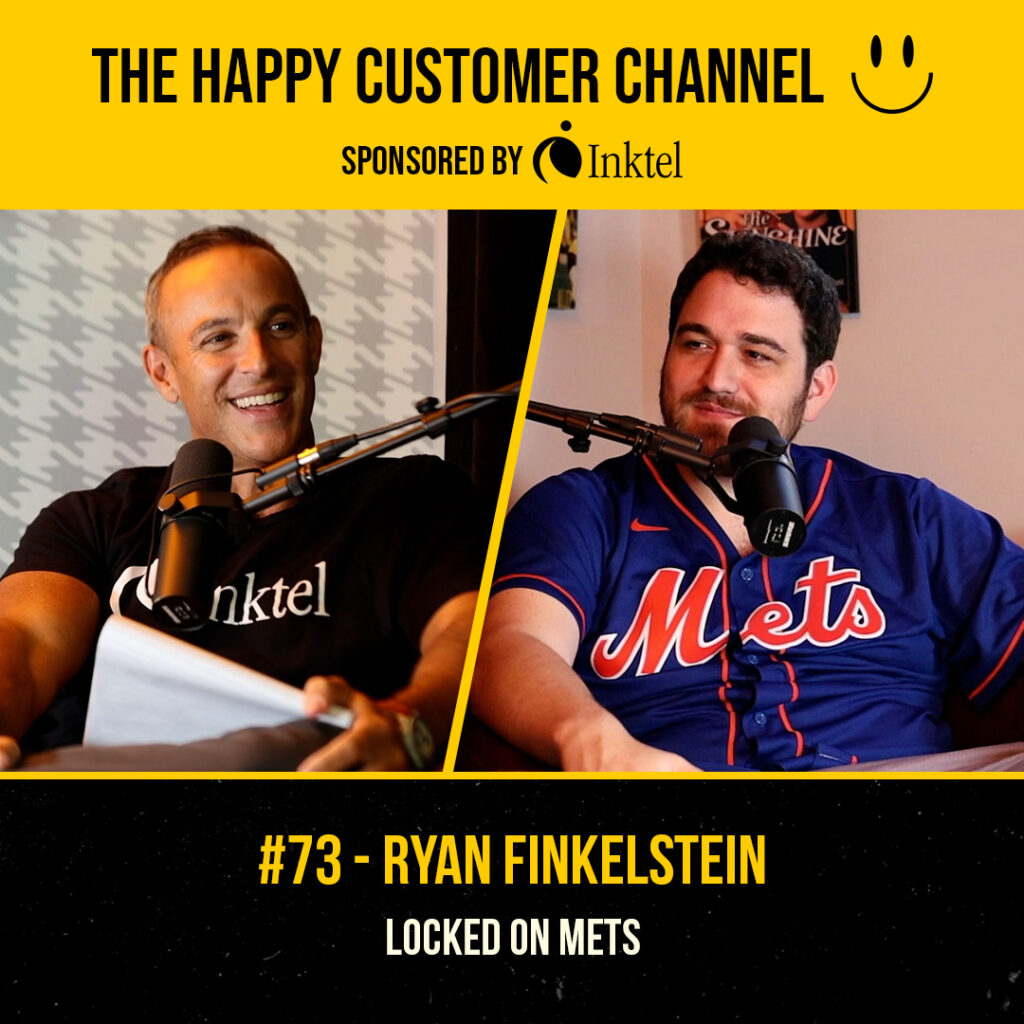
In Episode 73, Ryan Finkelstein describes the research, recording, editing, and publishing work behind his show, alongside resources supplied by the Locked On network. The account reflects April 2025. The practical tool below is THCC’s editorial application of that discussion; it is not a checklist the guest delivered word for word.
Map the work before choosing a publishing frequency
List what happens to one episode from idea to usable public page. Include research, guest coordination, asset approval, captions, links, and correcting errors after publication. Work performed by the host still needs to appear in the plan.
Identify which resources come from a network, producer, or other partner and which remain with your team. A workflow can fail when everyone assumes another person owns a small but essential task.
Use this episode checklist
- Prepare: Confirm the listener question, source material, and recording plan.
- Record: Check the captured audio and video before ending the session.
- Edit: Review the content and confirm that the final file is the approved version.
- Package: Check title, description, artwork, captions, and linked resources.
- Publish: Confirm the selected destinations and intended release state.
- Verify: Open the published page, inspect the player, and check the important links.
Give each stage a visible output. “Editing done” should identify the approved file; “published” should identify the public destination. A successful upload and a functioning listener experience are different checks.
Define the handoffs that create rework
For each handoff, record the receiving person, required input, and decision they are expected to make. A fictional editor should know whether a file is ready for release or still waiting for a factual review. Keep a named owner responsible for resolving missing inputs.
Start with a small shared checklist if that meets the need. Automation is useful when the underlying status is reliable. It can also carry the wrong file or incomplete description forward more quickly when the workflow is unclear.
Review one breakdown at a time
After a release, note what caused delay or correction. Improve the recurring weak point before adding more publishing volume. A stable process should make the listener’s experience more reliable as well as make the team’s work easier to coordinate.
Does a serious podcast need to publish daily?
No universal frequency fits every show. Match the listener promise to the available research and production capacity. Finkelstein’s account describes his particular daily sports format, not a requirement for other podcasts.
Watch the source conversation
Watch Episode 73 for the complete interview and its original context.
Continue with clear responsibilities as a team grows, or explore more entrepreneurship conversations and guides.