Explain an Unfamiliar Product to First-Time Visitors

THCC Insights

Explain an Unfamiliar Product to First-Time Visitors

The Happy Customer Channel ·

EP. 81 – Sergio Rodriguez | BKFC: No Gloves, No Limits – Bare Knuckle Fighting Championship

Explain an unfamiliar product by saying what it is, who it is relevant to, how the experience works, and what the visitor can do next. Begin with information a newcomer needs to orient themselves. Expert terminology and broad claims about excitement can wait until the basic explanation is clear.

In Episode 81, Sergio Rodriguez’s 2025 episode introduces BKFC and includes chapters explaining its format. The published description and chapter list establish that introductory subject, not current rules or partnerships. The practical tool below is THCC’s editorial application of that discussion; it is not a checklist the guest delivered word for word.

Define the visitor’s starting knowledge

List what someone outside the category is unlikely to understand. They may not know the format, the process, or the difference between your offer and a familiar alternative. Ask which uncertainty prevents a useful next decision.

Keep the explanation specific to the visitor. A first-time audience member needs different information from an industry buyer or experienced user. Trying to answer all three at once can make the introductory page harder to follow.

Use a first-visit explanation brief

  • Plain-language definition: What is the offering?
  • Relevant audience: Who is it intended to help or interest?
  • Concrete example: What would a typical interaction look like?
  • Expectations: What should the visitor know before taking part?
  • Next step: Where can they see the relevant details or ask a question?

Use facts you can support. If the example describes a previous event or product version, identify that context. A historical conversation can illustrate how to introduce a category without becoming a source for current availability, rules, or partnerships.

Test comprehension before polishing the headline

Ask a person unfamiliar with the offer to read the explanation and describe it back in their own words. Record what they understood, what they assumed, and what question they still need answered. A polite statement that the page looks good does not reveal whether it explained the offering.

For a fictional specialist service, the visitor might understand the promised benefit but be unclear about what they must provide. Add the missing participation information before writing a stronger claim about the result.

Give the visitor one relevant route forward

The next step may be an explainer, a full interview, a demonstration, or practical attendance information. Match it to the question the visitor just answered. Avoid sending a newcomer into a long archive without a reason to choose one item.

Should the introduction include every technical detail?

Include what the first decision requires and provide a clear route to deeper information. A concise explanation can still be accurate when its boundaries and the next source of detail are visible.

Watch the source conversation

Watch Episode 81 for the complete interview and its original context.

Continue with clarity before a customer buys, or explore more entrepreneurship conversations and guides.

Owner Dependency: Build a Process Inventory Before a Handoff

THCC Insights

Owner Dependency: Build a Process Inventory Before a Handoff

The Happy Customer Channel ·

Entrepreneurship Through Acquisition Explained

An owner-dependency process inventory identifies recurring work that relies on one person’s memory, access, judgment, or customer relationship. Start by listing what would stop if the owner were unavailable. Then document the work and observe whether an appropriately prepared colleague can perform it.

In Nick Molina — acquisition and continuity, Molina highlights owner dependency and whether an operation can transfer to a new buyer. His example concerns an established property management business. The practical tool below is THCC’s editorial application of that discussion; it is not a checklist the guest delivered word for word.

Follow an ordinary week of work

Look for tasks people bring to the owner repeatedly: exceptions, approvals, customer questions, scheduling decisions, or the explanation of how a system works. Include low-frequency work that is important when it occurs.

Do not assume every escalation is a failure. Some decisions properly belong with the owner. The inventory should distinguish deliberate authority from work that depends on the owner because no one else has the information or training.

Use these inventory fields

  • Trigger: What starts the task?
  • Output: What must be true when it is complete?
  • Knowledge: Which instructions or judgments currently live with the owner?
  • Access: Which approved systems or information are required?
  • Authority: Who may decide, and which exceptions need review?
  • Backup: Who could learn or perform the work?
  • Evidence: What demonstrates that a handoff worked?

Keep access changes within your normal approval process. Writing down a task does not authorize someone to use another person’s account or receive unrestricted information. Document the required capability and ask the responsible administrator to provide appropriate access.

Test one handoff rather than declaring the business documented

Choose a bounded, suitable task. Have the owner explain the intended result, the colleague perform the work with appropriate supervision, and both record where the instructions were insufficient. Update the process from those observations.

For a fictional service business, a customer-report preparation task may depend on the owner knowing which source is current. A template alone does not remove that dependency. The handoff needs a reliable way to identify the source and check the completed report.

Prioritize the gaps with practical consequences

Review how often the task occurs, what happens if it stops, and whether there is a workable backup. Start where documentation or training can reduce a clear operating interruption. Keep responsibilities explicit after the handoff.

Does a process document prove the work is transferable?

No. A document is an input. Demonstrated capability, appropriate access, and clear decision authority provide stronger evidence that another person can actually perform the work.

Watch the source conversation

Watch Nick Molina — acquisition and continuity for the complete interview and its original context.

Continue with developing people and responsibilities as a business grows, or explore more entrepreneurship conversations and guides.
Acquisition Employee Communication: What to Clarify First

THCC Insights

Acquisition Employee Communication: What to Clarify First

The Happy Customer Channel ·

Entrepreneurship Through Acquisition Explained

Acquisition employee communication should separate what is confirmed, what remains under review, and when the team will hear more. Before making an announcement, align the responsible leaders on the facts and the questions they can answer. Reassurance is useful when it is accurate and can be followed through.

In Nick Molina — acquisition and continuity, Molina describes reassuring the team after buying an established property management company. He also discusses reporting and brand changes, so his account is not a claim that nothing changed. The practical tool below is THCC’s editorial application of that discussion; it is not a checklist the guest delivered word for word.

Prepare the facts before the wording

Clarify the current stage of the transition, the people authorized to communicate it, and the information employees need for their immediate work. Coordinate timing and sensitive employment or transaction details with the responsible leaders and advisers.

Do not copy promises from another owner’s story. A commitment about jobs, pay, or operating changes must reflect the actual situation and the authority of the person making it. Where a decision is still open, explain that boundary rather than inventing certainty.

Complete a transition communication worksheet

  • Confirmed: What has happened, and what can be stated accurately?
  • Immediate work: What should employees continue doing, and which contact handles questions?
  • Known changes: What is changing now, with what practical effect?
  • Open questions: Which decisions are not complete?
  • Next update: When and where will employees receive further information?

Use clear language about the work. Employees may need to know whom they report to, how to handle a customer question, or whether an existing process still applies. Address those concrete concerns before a broad presentation about future growth.

Create a way to capture questions

Keep a record of the question, its owner, the information needed to answer it, and the next update. Distinguish a recurring question from a confirmed problem. Give managers a shared factual reference so different teams do not receive contradictory answers.

For a fictional transition, a team may ask whether a customer-support process will change. If the decision is pending, say which process applies now and who will communicate a future change. That gives employees a workable present instruction without guessing at the final plan.

Keep communication connected to what happens next

Review whether actions match the announcement. Where information changes, explain the new fact and its practical effect. A message cannot substitute for the way people experience the transition in their daily work.

What if leaders cannot answer every question?

Say what is known and how the unanswered question will be handled. Avoid promising a decision date without a reliable basis. The communication plan should make uncertainty visible and assign responsibility for the next update.

Watch the source conversation

Watch Nick Molina — acquisition and continuity for the complete interview and its original context.

Continue with leadership communication during difficult conversations, or explore more entrepreneurship conversations and guides.
A Creative Routine You Can Return to Each Week

THCC Insights

A Creative Routine You Can Return to Each Week

The Happy Customer Channel ·

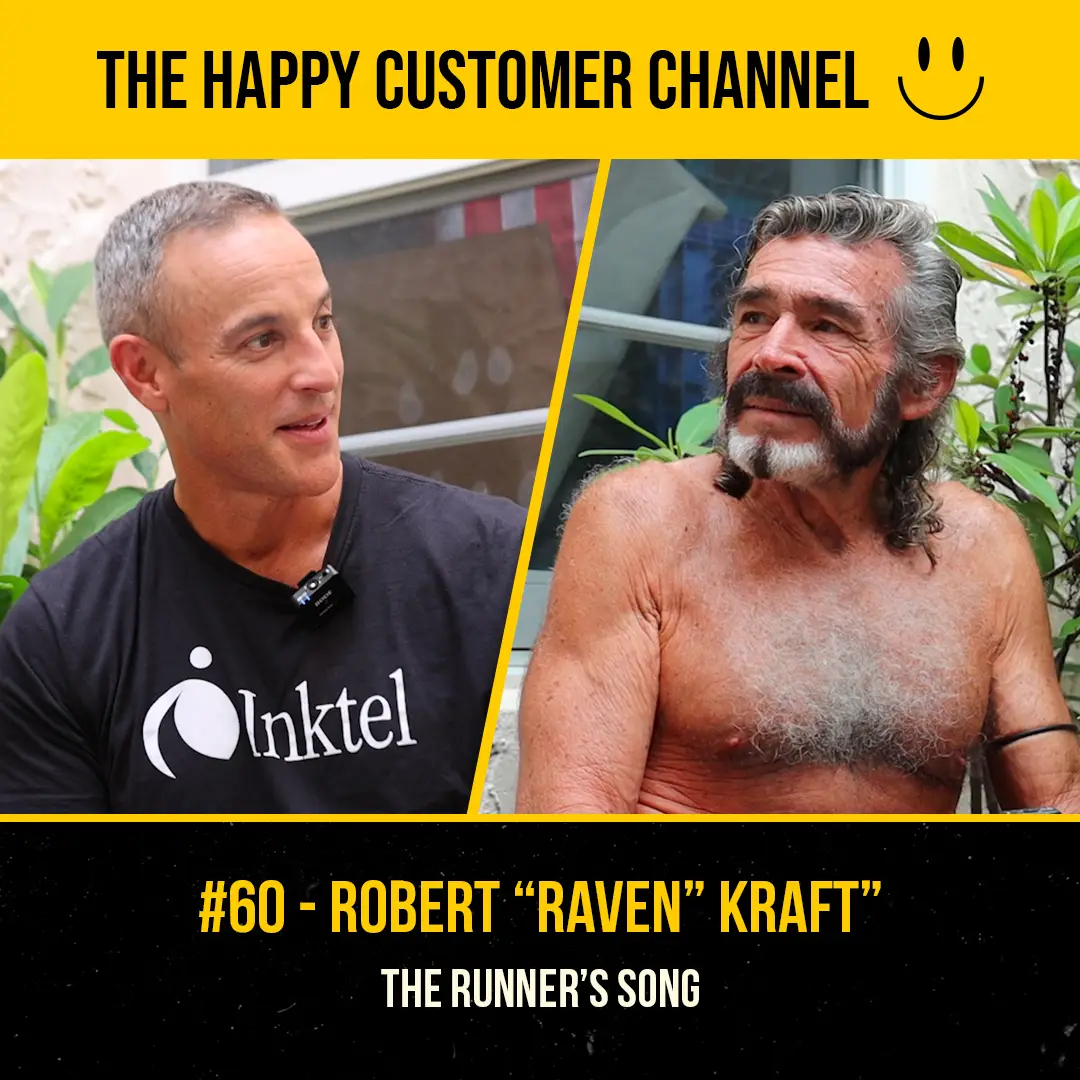
EP. 60 – Robert “Raven” Kraft | The Runner’s Song

A useful creative routine gives you a manageable point of return: when you will work, which small task you will begin, and where you will leave the next step. Plan for interruptions as well as productive sessions. The aim is a project you can continue, rather than a perfect streak.

In Episode 60, Robert “Raven” Kraft’s original 2024 conversation connects a recurring running routine with songwriting and community. These themes are documented in the episode description and chapters. The practical tool below is THCC’s editorial application of that discussion; it is not a checklist the guest delivered word for word.

Choose a concrete unit of work

“Work on the project” leaves the starting decision unresolved. A clearer task might be outlining one interview section, reviewing a draft, or testing a musical idea. Pick something that produces an observable piece of work within the time available.

Keep starting and finishing tasks separate. A first draft needs different attention from a final edit. If every session is expected to do both, it becomes harder to see what progress actually occurred.

Use this weekly creative-session plan

  • Purpose: What larger project does this session support?
  • Available window: When can you realistically work?
  • Starting task: What will you open or attempt first?
  • Visible output: What record will show what you tried?
  • Next step: What should your future self do when returning?

Make the plan small enough to fit the week you actually have. The rhythm described by another person can be inspiring without becoming a standard you must copy. A creative routine should reflect your responsibilities and the kind of work you are doing.

Leave a restart note

End a session with a few plain sentences: what you attempted, what you learned, what remains unclear, and the next concrete action. Keep the relevant file or notes easy to locate. This reduces the need to reconstruct the whole project every time you return.

For a fictional writer, a restart note might say that the opening example is drafted but one interview detail needs confirmation. The next session can begin with that check rather than a general decision to “get back into writing.”

Review the routine without turning it into a verdict

If sessions repeatedly do not happen, examine the timing, task size, or missing input. Change the plan rather than treating an interrupted week as proof that the project has failed. A record of actual work gives you something useful to adjust.

Should every session produce something publishable?

No. Research, experiments, and discarded approaches can be legitimate progress when they resolve a question. Record what changed in your understanding and choose the next step accordingly.

Watch the source conversation

Watch Episode 60 for the complete interview and its original context.

Continue with rebuilding structure during a career change, or explore more entrepreneurship conversations and guides.
Founder Story Interview Questions for a Company History

THCC Insights

Founder Story Interview Questions for a Company History

The Happy Customer Channel ·

EP. 39 – Ed Newman & Holly Newman Greenberg | The Making of ‘Warrior Judge’

Founder story interview questions should uncover decisions and experiences that explain how a company developed. Ask what happened, what alternatives people considered, and who else was involved. Then separate a person’s memory from details that need confirmation before becoming part of the published company history.

In Episode 39, Holly Newman Greenberg describes beginning a book with regular interviews with her father, Ed Newman, who later became a co-author and editor. The interview is from March 2024. The practical tool below is THCC’s editorial application of that discussion; it is not a checklist the guest delivered word for word.

Interview for scenes and decisions

A broad question about success may produce a polished summary. A question about a particular customer, setback, or turning point can reveal the work behind it. Ask the founder to describe the situation before asking for the lesson.

Break a long history into manageable conversations. Organize by period or decision rather than expecting one interview to produce a complete and accurate narrative. Give the participant room to remember additional details later.

Use these founder interview prompts

  • What problem were you trying to solve at the beginning?
  • What did the first version of the work look like?
  • Which decision changed the direction of the company?
  • What information did you have at the time?
  • Who helped make the decision or perform the work?
  • What went differently from what you expected?
  • Which part of this story can a document or another participant help confirm?

Follow the specific answer. If the founder mentions a difficult customer promise, ask what was promised and how the team responded. Avoid forcing each event into an inspirational conclusion before understanding its context.

Create a record the editorial team can verify

Keep the recording or notes, the proposed factual statement, the evidence available, and any unresolved question together. Ask for the appropriate permission before recording or using a quotation. Confirm names, dates, roles, and details about other people rather than treating the interview as automatic publication clearance.

Where memories differ, record the difference and investigate. A founder’s perspective can be valuable without being presented as the only possible account. Do not convert an uncertain recollection into a precise factual claim for the sake of a stronger headline.

Review the story without erasing its useful detail

Ask reviewers to distinguish factual corrections, confidential material, and preferred wording. That makes a revision easier to evaluate than a request to “make the story stronger.” Keep the actual decision, tradeoff, and contribution of others visible.

Does every company history need a book?

No. A focused article, interview series, or internal archive may suit the purpose. Choose the format after clarifying who will use the story and what it should help them understand.

Watch the source conversation

Watch Episode 39 for the complete interview and its original context.

Continue with listening carefully in leadership conversations, or explore more entrepreneurship conversations and guides.

An Account Manager’s Week: Balance New and Existing Business

THCC Insights

An Account Manager’s Week: Balance New and Existing Business

The Happy Customer Channel ·

Episode 5 Thumbnail

An account manager’s weekly plan should make new-business work and existing-customer commitments visible together. List the work that must happen, reserve time for it, and identify where a handoff or capacity decision is needed. A universal prospecting-to-retention percentage cannot account for every role or customer situation.

In Episode 5, Jacobo discusses enjoying both new customer acquisition and long-term relationships, and the challenge of balancing those responsibilities as the business grows. The practical tool below is THCC’s editorial application of that discussion; it is not a checklist the guest delivered word for word.

Start with commitments, not an empty calendar

Review promised updates, active customer issues, scheduled conversations, and prospecting opportunities. Distinguish deadlines already agreed with others from activities you would like to complete. Include preparation and follow-up so meetings do not consume time that the plan pretends is still available.

Identify which work belongs to you and which requires delivery, support, or another commercial role. Coordinating an action does not always mean performing every part of it yourself.

Use a weekly planning record

  • Customer commitments: What have I promised, to whom, and by when?
  • New-business work: Which qualified conversations or discovery tasks need attention?
  • Preparation: What information is needed before each conversation?
  • Follow-through: What must happen after the conversation?
  • Dependencies: Which person or team must contribute?
  • Capacity conflict: Which commitment needs a manager’s decision?

Reserve realistic blocks for work that needs concentration and leave room for the interruptions the role actually experiences. The plan should expose a capacity problem, rather than hiding it behind a calendar that assumes every task will take its best-case duration.

Use the plan to improve handoffs

For a fictional account manager, a prospecting session may repeatedly be interrupted by requests for routine delivery information. Investigate whether another team can provide the information reliably and how the account manager will see its completion. Simply asking the manager to work faster does not resolve the coordination problem.

When raising a capacity issue, bring the conflicting commitments, their practical consequences, and a proposed ordering. Ask for a decision about priorities or responsibility. That is more actionable than saying the week is busy.

Review what moved and why

At the end of the week, compare the plan with the work completed. Separate unexpected customer needs, missing inputs, and overestimated capacity. Use the pattern to revise the next plan or the role’s responsibilities.

Should existing customers always take priority?

Priority depends on the commitment, impact, urgency, and role. Make those considerations explicit with the responsible leader. Avoid treating either prospecting or existing-account work as optional simply because the other is more immediately visible.

Watch the source conversation

Watch Episode 5 for the complete interview and its original context.

Continue with alignment between sales and customer experience, or explore more customer experience conversations and guides.

Podcast Content Between News Spikes: Serve Regular Listeners

THCC Insights

Podcast Content Between News Spikes: Serve Regular Listeners

The Happy Customer Channel ·

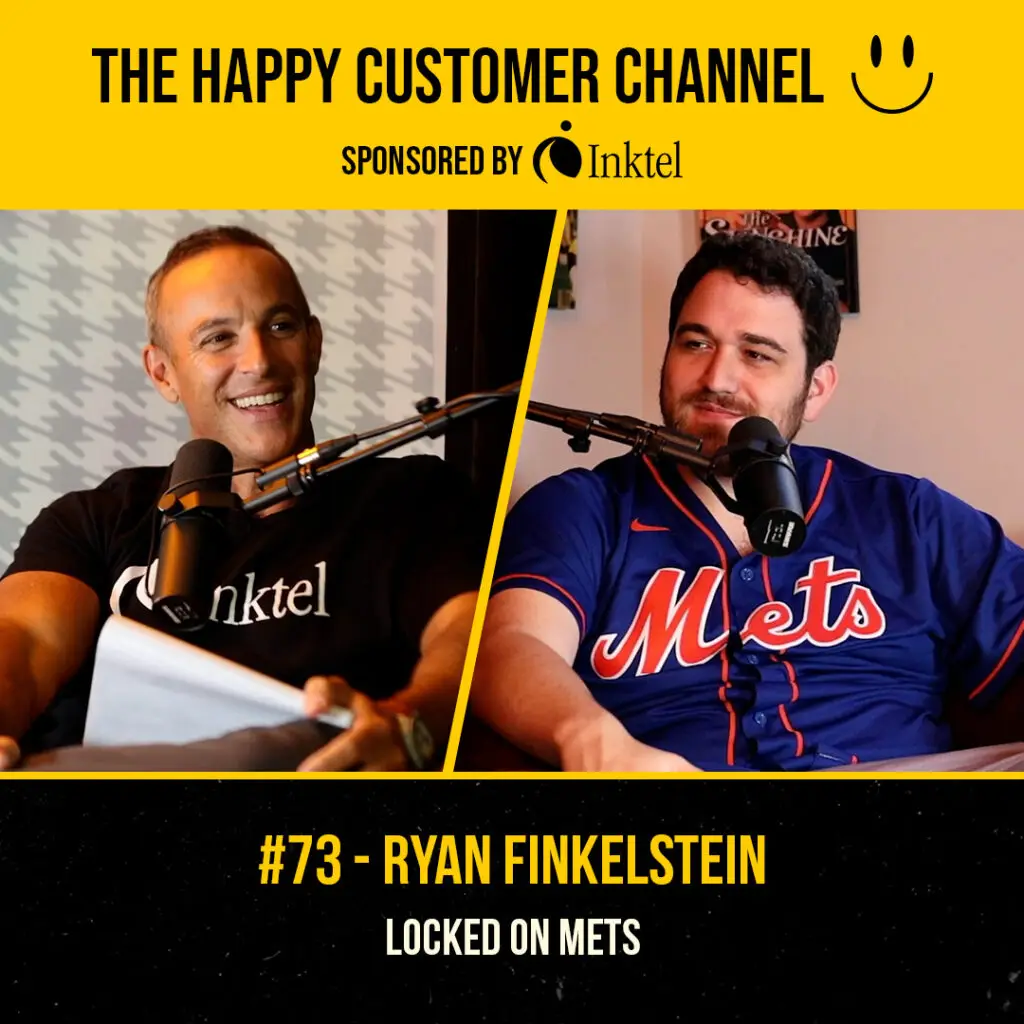
EP. 73 – Ryan Finkelstein | Locked On Mets

Podcast content between news spikes should give regular listeners a clear reason to return. Define the question your show helps them understand repeatedly, then plan useful coverage when no headline creates urgency. A burst of attention and a continuing listener relationship serve different editorial jobs.

In Episode 73, Finkelstein describes regular listeners who fit a show into their routine and people who arrive around a major signing or trade. His examples come from a 2025 baseball conversation. The practical tool below is THCC’s editorial application of that discussion; it is not a checklist the guest delivered word for word.

Describe the routine your show supports

Ask what a listener expects to understand after a typical episode. For a business show, that may be how an operator made a decision. For a specialist sports show, it may be an informed interpretation of the latest game. The recurring promise should be specific enough to guide a quiet week.

Look at the questions people actually bring to the show through comments, conversations, or other available feedback. Keep observed questions separate from topics the team simply hopes people want.

Build a plan with more than one news dependency

  • Recurring question: A topic listeners need help interpreting regularly.
  • Current development: What has changed since the previous discussion?
  • Evergreen context: An older conversation that helps explain the issue.
  • Listener question: A relevant uncertainty worth answering directly.
  • Next step: One useful related episode or guide, rather than an unrelated list.

These are planning categories, not a required mix or release schedule. Choose what your audience and team can support. A quiet week can still produce a useful answer; it does not need a manufactured controversy.

Help a news-driven visitor find the deeper archive

When an event brings a new visitor, introduce the regular promise of the show and link to a relevant starting conversation. A visitor interested in one guest may need context before choosing another episode.

For a fictional business podcast, an interview about a founder’s acquisition can point to a practical guide about the operating handoff. That path is useful because the subjects connect, not because every visitor is assumed to want the entire archive.

Evaluate attention and return behavior separately

Review the measures your platforms actually provide, keeping a one-time visit distinct from evidence of return listening. A large event-driven audience does not by itself establish that the show’s regular promise became clearer.

Should every headline become an episode?

Use the show’s audience question as a filter. A development belongs when the team can offer relevant context. Covering an unrelated headline solely because it is popular can make the regular listener’s reason to return less clear.

Watch the source conversation

Watch Episode 73 for the complete interview and its original context.

Continue with recognizing quiet disengagement in customer relationships, or explore more entrepreneurship conversations and guides.
Podcast Production Workflow: A Repeatable Publishing Checklist

THCC Insights

Podcast Production Workflow: A Repeatable Publishing Checklist

The Happy Customer Channel ·

EP. 73 – Ryan Finkelstein | Locked On Mets

A repeatable podcast production workflow makes the next task, its owner, and its completion check visible. Break the work into preparation, recording, editing, packaging, publishing, and verification. Use a cadence your team can sustain rather than adopting another show’s schedule without its resources.

In Episode 73, Ryan Finkelstein describes the research, recording, editing, and publishing work behind his show, alongside resources supplied by the Locked On network. The account reflects April 2025. The practical tool below is THCC’s editorial application of that discussion; it is not a checklist the guest delivered word for word.

Map the work before choosing a publishing frequency

List what happens to one episode from idea to usable public page. Include research, guest coordination, asset approval, captions, links, and correcting errors after publication. Work performed by the host still needs to appear in the plan.

Identify which resources come from a network, producer, or other partner and which remain with your team. A workflow can fail when everyone assumes another person owns a small but essential task.

Use this episode checklist

  1. Prepare: Confirm the listener question, source material, and recording plan.
  2. Record: Check the captured audio and video before ending the session.
  3. Edit: Review the content and confirm that the final file is the approved version.
  4. Package: Check title, description, artwork, captions, and linked resources.
  5. Publish: Confirm the selected destinations and intended release state.
  6. Verify: Open the published page, inspect the player, and check the important links.

Give each stage a visible output. “Editing done” should identify the approved file; “published” should identify the public destination. A successful upload and a functioning listener experience are different checks.

Define the handoffs that create rework

For each handoff, record the receiving person, required input, and decision they are expected to make. A fictional editor should know whether a file is ready for release or still waiting for a factual review. Keep a named owner responsible for resolving missing inputs.

Start with a small shared checklist if that meets the need. Automation is useful when the underlying status is reliable. It can also carry the wrong file or incomplete description forward more quickly when the workflow is unclear.

Review one breakdown at a time

After a release, note what caused delay or correction. Improve the recurring weak point before adding more publishing volume. A stable process should make the listener’s experience more reliable as well as make the team’s work easier to coordinate.

Does a serious podcast need to publish daily?

No universal frequency fits every show. Match the listener promise to the available research and production capacity. Finkelstein’s account describes his particular daily sports format, not a requirement for other podcasts.

Watch the source conversation

Watch Episode 73 for the complete interview and its original context.

Continue with clear responsibilities as a team grows, or explore more entrepreneurship conversations and guides.
Hospitality Marketing Brief: From Brand Voice to a Campaign

THCC Insights

Hospitality Marketing Brief: From Brand Voice to a Campaign

The Happy Customer Channel ·

EP. 46 – Nelson Flores-Giacometto | Buena Vista Creative: Agency Life. Hospitality. Cannabis.

A hospitality marketing brief should tell the creative team who the campaign serves, what it offers, how the brand should sound, and which details must be confirmed before publication. A mood board can express a feeling, but the brief also needs enough operating context to make the message accurate.

In Episode 46, Flores-Giacometto describes starting with a business’s identity, priorities, and brand voice before choosing tools or chasing new tactics. The practical tool below is THCC’s editorial application of that discussion; it is not a checklist the guest delivered word for word.

Start with one intended guest and one action

Name the situation the campaign addresses. A local diner planning a weekday visit, a visitor comparing venues, and an organizer researching an event have different questions. Choose the audience and action relevant to this particular piece of work.

State what the campaign should help that person do: understand an experience, check availability, request information, or make a reservation. Avoid treating every campaign as an attempt to speak to every possible guest.

Complete this one-page brief

  • Audience and occasion: Who is this for, and what are they planning?
  • Offer: What exactly is being presented, and what is excluded?
  • Brand voice: Which qualities should the writing express? Include a relevant existing example.
  • Evidence: Which venue details, images, or service features support the message?
  • Action: Where should the reader go next?
  • Constraints: Which dates, availability details, and operating conditions require confirmation?
  • Approval: Who checks facts, who approves the creative, and who authorizes publication?

Give the team usable inputs. If an image depicts a past event, label it rather than implying it is the current offer. If a service detail may change, name the person who can confirm it before the message goes out.

Use examples to make the voice concrete

Instead of asking for something “premium but approachable,” provide an example sentence and explain why it fits. Clarify which claims the business can support. A warm invitation can still include practical information about what the guest should expect.

For a fictional neighborhood venue, the brief might emphasize an easy gathering with friends and direct visitors to an inquiry page for group arrangements. That is different from advertising a guaranteed reservation or a service the operations team has not confirmed.

Check the handoff before production

Ask the creative lead to restate the audience, offer, and next action. Resolve disagreements while the work is still small. Keep the approved brief visible during review so feedback refers to the intended job rather than individual taste alone.

Should the agency choose the channel first?

Channel requirements matter, but first clarify the person, message, and action. The appropriate format becomes easier to evaluate when the team understands what the communication must accomplish.

Watch the source conversation

Watch Episode 46 for the complete interview and its original context.

Continue with connecting a restaurant brand to the service, or explore more customer experience conversations and guides.

Networking Follow-Up After a Professional Introduction

THCC Insights

Networking Follow-Up After a Professional Introduction

The Happy Customer Channel ·

EP. 15 – Luis “Wicho” Hernandez of Coastal Wealth | Business Lessons from the Dugout

A useful networking follow-up explains why the introduction is relevant, asks for a specific and reasonable next step, and gives the other person room to decline. The goal is to start a professional conversation with a clear purpose, rather than immediately asking a new contact for a job or referral.

In Episode 15, Hernandez describes how a University of Miami connection helped point him toward a business opportunity after baseball. His account illustrates the role of relationships in a career transition. The practical tool below is THCC’s editorial application of that discussion; it is not a checklist the guest delivered word for word.

Understand what the introduction actually offers

Read the context supplied by the person making the introduction. Did they suggest an informational conversation, a possible collaboration, or a role the contact is filling? Do not expand a friendly introduction into an endorsement the introducer did not make.

Thank the introducer and acknowledge the connection. Where appropriate, check whether they want to remain involved in scheduling. Keep unrelated requests out of the initial exchange so the recipient can understand what you are asking.

Adapt this follow-up message

Thank you for the introduction, [introducer]. [Contact], I’m exploring [specific direction] and would value your perspective on [relevant question]. My background includes [brief, relevant experience]. If you are open to a conversation, I can work around a time that suits you. If another format is easier, I’m happy to send the questions first.

Use a genuine question that the contact is well placed to answer. Explain your relevant experience briefly; the introduction does not need a full career history. Avoid sending a large portfolio before you know whether it would help.

Make the conversation easy to prepare for

  • State the topic and why it matters to your current decision.
  • Offer a manageable format instead of assuming a long meeting.
  • Prepare questions the person can answer from their experience.
  • Ask permission before treating them as a reference or forwarding their advice.

Afterward, thank them for the specific insight that helped and describe any agreed next action. If you later act on their suggestion, a brief factual update can give the relationship continuity without creating another demand.

Keep a small relationship record

Record how you were introduced, the topic discussed, any commitment you made, and whether a follow-up is welcome. Store only relevant professional details. A relationship record should help you keep your word, not turn every acquaintance into an automated outreach target.

For a longer view of networking, explore Iman Jalali on consistent follow-up. His conversation with Dan Arriola considers how business relationships can develop before a specific deal appears.

What if the person does not respond?

Follow the context and any stated preferences. A concise follow-up may be appropriate; repeated messages across unrelated channels can create pressure. Silence does not establish interest, and an introduction does not create an obligation to help.

Watch the source conversation

Watch Episode 15 for the complete interview and its original context.

Continue with rebuilding structure after a career pivot, or explore more entrepreneurship conversations and guides.