Empathy in Customer Experience Drives Growth

Empathy in Customer Experience Drives Growth

Most companies say they care about customers. Then they make those same customers repeat themselves, chase updates, and fight broken systems.

That is where empathy in customer experience gets exposed. Not in the brand promise. Not in the customer service script. In the moment when something goes wrong and the customer is wondering, “Does this company actually understand what I’m dealing with?”

Empathy is not a soft skill. It is not a warm tone. It is not saying “I apologize for the inconvenience” while doing nothing useful.

Empathy is an operating discipline. It shows up in how fast you resolve issues, how clearly you communicate, how well your teams hand off information, and how much effort you remove from the customer’s day.

Empathy Is Not Being Nice

Being nice is the floor. It is not the strategy.

A customer does not feel understood because your team used polite language. They feel understood when they do not have to explain the same issue to three different people. They feel understood when the next step is clear. They feel understood when the company takes ownership instead of hiding behind policy.

Here’s what actually happens in many businesses. A customer has a problem. They contact support. The agent is friendly. The script is polished. The email says all the right things.

But the process is broken.

The customer gets transferred. The notes do not carry over. The refund needs approval from someone who is unavailable. The customer is told to wait, but nobody explains what they are waiting for.

That is not empathy. That is politeness wrapped around friction.

What I’ve seen is simple. Customers judge empathy by outcomes. Did you make the hard moment easier? Did you reduce uncertainty? Did you remove the burden? Did you protect their time?

If the answer is no, the customer does not care how nice the message sounded.

Your Metrics May Be Killing Trust

A lot of companies say they want better customer relationships. Then they measure teams in ways that punish real problem-solving.

Handle time. Ticket closure. Call volume. Deflection rate.

Those numbers matter. But they can become dangerous when they become the only numbers that matter.

Here’s the reality. If you reward people for ending conversations quickly, they will end conversations quickly. If you reward them for closing tickets, they will close tickets. If you reward them for deflecting customers away from humans, they will build walls between the customer and the answer.

The business may look efficient on paper. The customer feels abandoned in real life.

This is where real empathy in customer experience requires leadership discipline. You have to ask better questions. Are customers contacting us more than once for the same issue? Are they escalating because they are frustrated or because our process failed? Are we solving the root problem, or are we just moving the customer through a queue?

Speed matters. Nobody wants slow support. But speed without resolution is just a fast way to lose trust.

Customer effort tells the truth. Repeat contact tells the truth. Complaint patterns tell the truth. Retention tells the truth.

Your customers can feel your incentives. If your systems are built to protect internal convenience, they will know. If your teams are built to protect customer confidence, they will know that too.

Operational Empathy Creates Loyalty

Empathy becomes powerful when it leaves the training room and enters the operating system of the business.

That means policies. Handoffs. Escalation paths. Product decisions. Communication standards. Employee authority.

It means your frontline team is not forced to say, “I understand,” while having no power to fix anything. That is one of the fastest ways to frustrate both customers and employees.

Give your people the ability to solve reasonable problems. Give them clear boundaries. Give them context. Give them permission to use judgment.

Operational empathy looks practical. It looks like sending proactive updates before the customer has to ask. It looks like writing policies in human language. It looks like designing forms that do not ask for information you already have. It looks like making sure the next person already knows the story.

Small things become big signals.

A clean handoff tells the customer, “We were paying attention.” A clear timeline tells the customer, “You are not being ignored.” A fair policy tells the customer, “We value the relationship, not just the transaction.”

This is not charity. This is growth.

Customers come back to companies that lower stress. They recommend companies that make problems easier. They trust companies that act with ownership when things get messy.

Loyalty is not built when everything goes perfectly. Loyalty is often built when something breaks and the company handles it better than expected.

Final Thoughts

Customers do not remember empathy as words. They remember whether you made the hard moment easier.

That is the standard.

If your customer has to fight your process, your message does not matter. If your team cares but your system blocks them, the customer still loses. If your metrics reward speed over resolution, trust will erode quietly.

Empathy is not what you say after friction happens. It is how you design the business so less friction happens in the first place.

Common Questions

How do we show empathy without slowing down support?

Listen, empathy does not mean every conversation has to be long. That is the wrong way to look at it. Empathy means removing unnecessary effort so the customer gets to the right outcome faster. If your team has the right information, clear authority, and better tools, support can be both faster and more human. The goal is not longer conversations. The goal is better resolution with less customer frustration.

How do you measure whether customers actually feel understood?

Here’s the reality: you have to look beyond satisfaction scores. Watch repeat contacts, escalation rates, complaint themes, customer effort, and retention. If customers keep coming back for the same issue, they do not feel understood. If they are repeating themselves across channels, your system is failing them. The data is usually already there. Most companies just do not want to look at what it is saying.

Isn’t empathy just customer service training?

What I’ve seen is that training helps, but it does not fix a broken operating model. You can train people to sound caring, but if the policy is rigid and the system is messy, the customer still feels the pain. Your people need more than scripts. They need authority, context, and processes that support the customer. Otherwise, you are asking employees to deliver empathy with their hands tied.

What if the customer is unreasonable?

At the end of the day, empathy does not mean saying yes to everything. That is not business. It means being clear, fair, respectful, and accountable even when the answer is no. Some customers will push too far, and your team needs boundaries. But you can hold a boundary without being dismissive. The best companies know how to protect their people and still communicate with professionalism.
Empathy in Customer Experience Is a Revenue Lever

Most companies don’t have an empathy problem. They have a courage problem when customers point to what’s broken.

That is where the conversation gets uncomfortable. Because empathy in customer experience is not about sounding warmer on the phone. It is not about adding a softer sentence to an email template. It is not about telling your support team to “be more understanding” while giving them no power to fix anything.

Customers are not judging your empathy by your language. They are judging it by your behavior. Did you remove the friction? Did you own the mistake? Did you stop making them repeat themselves? Did you respect their time?

Here’s the reality. A customer can forgive a mistake faster than they can forgive indifference. And indifference does not always look cold. Sometimes it looks like a beautiful journey map that nobody acts on. Sometimes it looks like a survey dashboard that everyone reviews and no one changes. Sometimes it looks like an apology followed by the same broken process.

That is the gap. Companies say they care. Customers feel the system.

Empathy Is Not Soft. It’s Signal.

Empathy gets treated like a soft skill. That is the first mistake.

Empathy is not softness. It is signal recognition. It is the ability to hear frustration and understand what it is really telling you about the business.

When a customer is angry, there is usually a pattern underneath it. Confusing pricing. Weak onboarding. Poor handoffs. Rigid policies. Slow support. A product promise that did not match the actual experience. The emotion is loud, but the message is practical.

What I’ve seen is that many companies train their teams to manage the emotion, but not investigate the cause. So the agent says the right thing. The email sounds professional. The ticket gets closed. But the problem stays alive.

That is not empathy. That is containment.

Real empathy asks harder questions. Why did this happen? How many other customers experienced it and stayed quiet? What part of our process created this friction? Who owns the fix? What decision do we need to make so this complaint stops showing up?

This is where empathy becomes business intelligence. Customer frustration is not noise. It is early warning data. It tells you where trust is leaking. It tells you where revenue is at risk. It tells you where your internal process looks good in a meeting but fails in the real world.

The companies that understand this move differently. They do not romanticize complaints. They study them. They do not ask frontline teams to absorb pain forever. They use those teams as sensors. They listen for repeated friction and turn it into decisions.

That is where empathy in customer experience starts to matter. Not when someone says, “I understand how you feel.” It matters when the company proves it understood by changing what caused the feeling in the first place.

Customers Feel Your Process

Customers do not care which department owns the problem.

They do not care if billing needs to talk to operations. They do not care if product has it on the roadmap. They do not care if sales made the promise and support now has to clean it up.

They care about the experience they are living through.

Here’s what actually happens inside a lot of companies. Every team optimizes its own lane. Sales wants speed. Product wants scale. Finance wants control. Support wants resolution. Operations wants consistency. None of those goals are wrong. But when they are not connected, the customer becomes the person paying the price for your internal gaps.

That is why customers feel your process. They feel the transfer. They feel the delay. They feel the policy. They feel the repeated explanation. They feel the silence between departments. They feel when your company is built around itself instead of around them.

And let’s be clear. Customers are not asking for perfection. Most reasonable customers know things go wrong. What they want is ownership. They want someone to connect the dots. They want a company to stop acting surprised by a problem that has obviously happened before.

The danger is that internal efficiency often becomes external friction. A policy might make sense inside the business. A form might make reporting easier. A script might protect consistency. An automated workflow might reduce cost. But if the customer has to work harder because of it, you have not improved the experience. You have moved the burden.

That burden is expensive.

It shows up as repeat contacts. It shows up as bad reviews. It shows up as longer resolution times. It shows up as churn that gets blamed on price when the real issue was trust. Customers rarely leave because of one moment. They leave because the pattern became clear.

They realized the company was listening to respond, not listening to change.

Turn Listening Into Decisions

Listening is only valuable if it changes something.

This is where a lot of companies fall short. They collect feedback. They run surveys. They track CSAT. They review dashboards. They ask customers how they feel. Then they keep the same policies, the same bottlenecks, the same handoffs, and the same approval chains.

That is not a listening culture. That is feedback theater.

If you want empathy to become a revenue lever, it has to show up in the operating system of the business. Not just the language. Not just the training. Not just the brand values on the wall.

It has to show up in escalation paths. Can the frontline move a real issue quickly, or are they trapped behind layers of permission?

It has to show up in closed-loop feedback. When customers identify a recurring problem, does anyone tell them what changed? Does the team know what was fixed? Or does the same issue keep coming back under a different ticket number?

It has to show up in empowered judgment. Automation can handle simple tasks. It can speed up basic requests. It can reduce wait times when used well. But when a customer is dealing with a complex, emotional, high-stakes moment, they need a human being with authority.

That matters more now because companies are investing heavily in AI, automation, and customer journey tools. Some of that investment is smart. But technology does not automatically create empathy. Sometimes it creates a faster wall.

If the bot solves the issue, great. If the bot blocks the customer from reaching help, you just made the problem worse. Speed without judgment is not service. It is acceleration without accountability.

The best companies do not choose between automation and empathy. They design both with discipline. They let automation remove low-value friction. Then they let trained people handle the moments where trust is on the line.

That is the difference. Empathy is not a mood. It is a management decision.

You measure it by what changes. Repeat contacts should go down. Customer effort should go down. Resolution time should improve. Complaints should become more specific because the obvious pain points are being removed. Retention should improve because customers feel the company is easier to trust.

If none of that is happening, then the empathy is cosmetic.

Final Thoughts

Empathy is not the opposite of performance. It is how performance is experienced.

A company can be fast and still feel cold. It can be polite and still feel useless. It can collect feedback and still ignore the truth. Customers know the difference.

The businesses that win do not just sound more caring. They remove the reasons customers have to complain. They treat frustration as data. They give their people authority. They fix the patterns. And they understand that empathy is not what you say when something goes wrong. It is what you build so fewer things go wrong in the first place.

Common Questions

How do we measure empathy in customer experience?

Listen, you measure it by looking at friction, not feelings alone. Track repeat contacts, unresolved issues, churn after support interactions, complaint themes, recovery time, and customer effort. If customers keep calling about the same issue, the business has not learned yet. A high satisfaction score can hide a broken process if the customer had to work too hard to get help. The real question is simple: did the experience become easier because we listened?

Can empathy scale with AI and automation?

Here’s the reality. AI can scale speed, but it cannot replace judgment in moments that require trust. Automation works when it removes simple friction and gets customers to answers faster. It fails when it becomes a wall between the customer and someone who can actually help. What I’ve seen is that customers do not hate automation. They hate being trapped by automation. Use AI to clear the easy path, then route complex moments to people with authority.

Does empathy mean saying yes to every customer?

No. And this is where leaders need to be clear. Empathy does not mean giving away the business or bending every rule. It means being honest, fair, and accountable. You can say no and still make the customer feel respected. At the end of the day, customers can handle boundaries when they understand the reason and feel the company is acting in good faith.

Where should a company start if customers feel unheard?

Start with the complaints you are tired of hearing. That is usually where the truth is. Pick the top recurring friction point, assign one owner, and fix something visible fast. Do not start with a massive transformation project that takes a year to explain. Start with proof. Then tell your customers and your frontline team what changed, because trust grows when people see that speaking up actually matters.

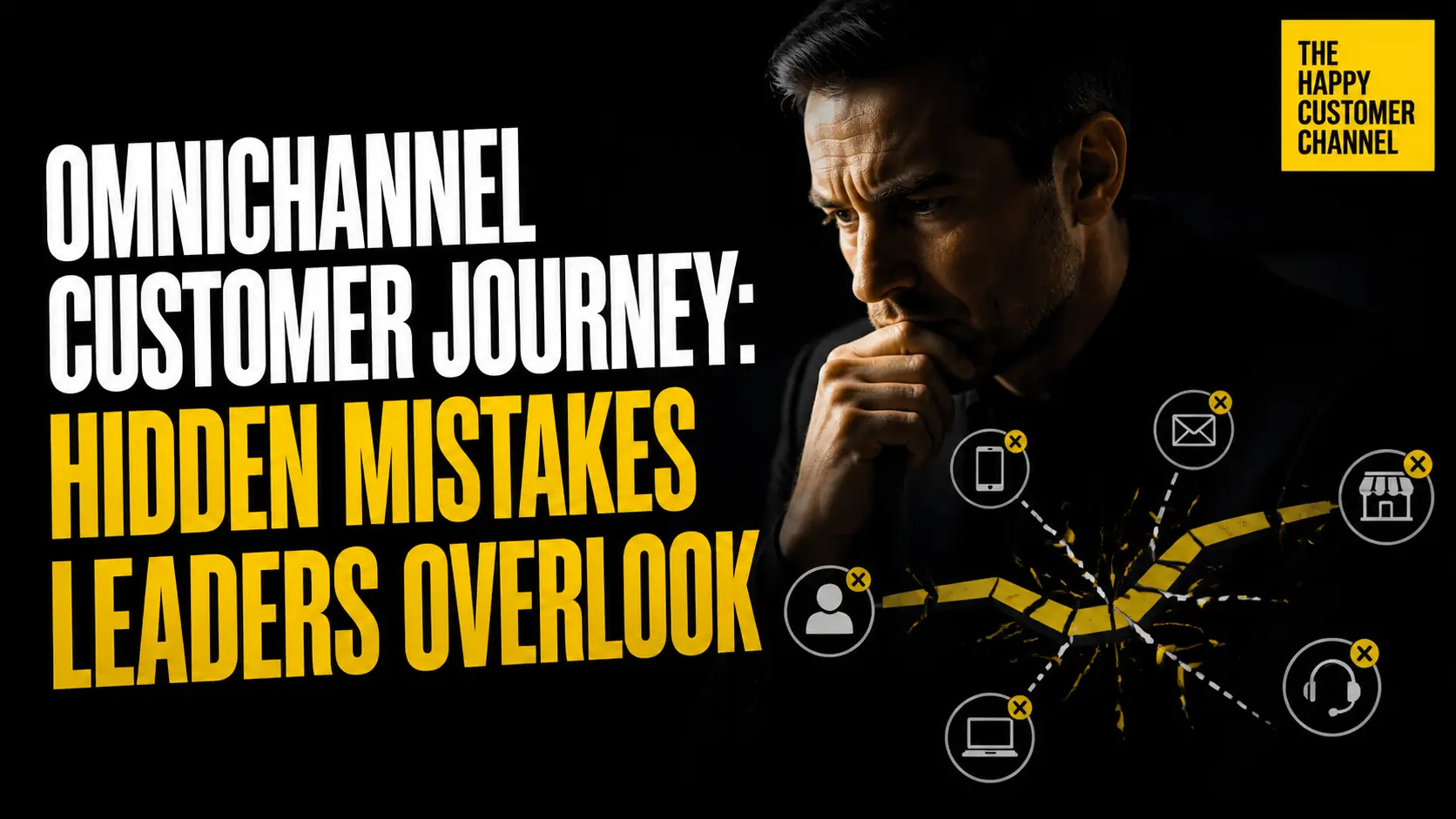
Omnichannel Customer Journey: Hidden Mistakes Leaders Overlook

Everyone talks omnichannel. But let’s get real—how many leaders have the guts to dig into their own omnichannel customer journey and name the places where customer trust gets shredded? You can buy all the tech in the world. Doesn’t matter if your customer has to repeat their story three times, gets bounced between teams, or hits a wall of “that’s not my job.” People love to say they’re customer-centric. The reality? Most are flying blind where it counts. If you think your omnichannel journey is bulletproof, this is for you.

Omnichannel Isn’t Just a Channel Problem. It’s a Leadership Problem.

Here’s the mistake I see over and over. Companies treat the omnichannel customer journey like it’s a software deployment or a marketing campaign. Leadership steps back. They hand it off to a project team and declare victory once all the channels are “connected.” But real customers don’t experience journeys in PowerPoint or dashboards. They experience every messy handoff, every dropped call, every “let me look into that for you” dead end.

Omnichannel is meaningless if it’s only a tech investment. Integration is worthless if each department still guards its turf. Are you running a business, or are you running a collection of departments that occasionally exchange emails? When ownership of the full journey is unclear, friction multiplies. Siloed KPIs smother accountability. When the customer falls through the cracks, nobody owns the outcome. That’s broken leadership, plain and simple.

At The Happy Customer Channel, we see this every week. Companies want customer love. They forget the discipline required to deliver it. The starting point? Genuine cross-functional ownership. If leadership doesn’t ruthlessly align—from C-suite to frontline—omnichannel will fail you. Every. Single. Time.

The Three Omnichannel Blind Spots That Kill Trust

I don’t care if you have the best CRM or a hotline to your VP of IT. There are three mistakes I see in the wild that quietly destroy the omnichannel customer journey. Let’s pull back the curtain:

  • Unmonitored Handoffs. Who owns the baton when a customer moves from chat to phone, or retail to digital? Too often, nobody. That customer? They tumble through process gaps, forced to repeat themselves or face an info gap. If you’re not tracking the transition, you’re guaranteeing pain.
  • Invisible Friction. The little things compound. Delay here, missing notes there. Customers are left hanging while teams scramble to line up the story. You may not see it in the metrics, but your retention numbers will tell the truth. Have you mapped friction points? Or are you guessing?
  • Lack of Operating Standards. “Seamless” means nothing without explicit rules. How quickly does each channel respond? What context must be carried forward? Who owns the next step? Talking about “good communication” is wishful thinking until you have standards. For a deeper look, see this breakdown of why operating standards make or break your journey strategy.

Most leaders focus on tools and miss the inches that matter. Omnichannel doesn’t fail by miles; it fails one dropped handoff, one slow follow-up, one annoyed customer at a time. These are the inches you’re losing.

Your Ruthless Omnichannel Checklist: Are You Brave Enough?

Don’t trust your gut. Trust your process. Leadership isn’t about intuition—it’s about discipline. Here’s the checklist I challenge every team to run, no excuses:

  • Map Every Transition. Every customer handoff must have a clear owner. Who is responsible for the outcome at each step? If the answer is fuzzy, you have a problem.
  • Audit Your Friction. Dig into the reality—not the survey scores. Shadow the journey. Where are customers forced to repeat themselves? Where does the ball get dropped?
  • Set—and Share—Operating Standards. Do your frontline teams know the response time, data handover rules, and accountability for every channel change? If not, you’re hoping, not managing.
  • Kill the Echo. Make it a non-negotiable: No customer repeats their story twice. Simplicity, not apologies, builds trust.

Print this. Post it. Beat it into the routine. Leadership isn’t just setting direction—it’s enforcing the rules that eliminate friction and ambiguity. That’s how you build retention. That’s how you keep real trust.

Final Thoughts

The omnichannel customer journey isn’t a tech project. It’s not a pretty diagram on a wall. It’s the test of whether your leadership is strong enough to see, name, and fix what everyone else ignores. Fixing journey mistakes takes discipline and guts. Most leaders chase tools. Very few chase truth. Where do you want to be?

For ruthless, actionable perspectives like this sent straight to your inbox, join THCC’s newsletter. If you’re serious about real customer experience and retention, you belong here.

Common Questions

How do I know where my omnichannel customer journey is falling apart?

Listen. If you’re only reading dashboards or survey scores, you’re already behind. Watch the journey up close. See where customers get asked for the same info twice. Where do agents seem lost? Where is there a lag time no one can explain? If you can’t answer who owns every handoff, your journey is leaking trust. Real insight comes from following the thread, not sitting in meetings hoping the data tells the story for you.

What is the most common mistake companies make with omnichannel customer journeys?

Here’s the reality: Most companies dump ownership on tech or the CX team and clock out. But customer experience isn’t a project—it’s a habit. When leadership doesn’t drive cross-functional discipline, channels become silos and customers become frustrated. Don’t blame the tools. Blame the lack of clear, accountable ownership. That’s where most journeys collapse.

How can operating standards improve the omnichannel customer journey?

At the end of the day, operating standards are your insurance policy. They spell out response times, info handover, and real point-of-contact at each step. Without them, you’re gambling on good intentions and hoping for the best. With standards, you surface the ugly realities—and actually have a shot at fixing them. Standards force action where ambiguity lets mistakes fester. Want seamless? Start with standards, or forget about it.

What quick wins can a CX leader deliver to fix omnichannel journey issues?

Don’t overcomplicate it. Find your repeat complaints and start mapping the points where customers switch channels. Assign clear ownership for every transition. Fix the obvious handoff gaps first—don’t wait until it’s perfect. Quick wins happen when you get surgical in finding where the ball is dropped and ruthless in making sure it never drops again. Leadership is doing what’s needed, not just what feels comfortable.

Brand Consistency Is How Trust Compounds

If your brand changes personality at every touchpoint, your customer starts doing risk analysis. That is not a branding issue. That is a trust issue.

Trust does not survive confusion. People may not say it out loud, but they feel it. The ad sounds confident. The website feels generic. The sales deck says something different. The onboarding experience underdelivers. Now the buyer is no longer evaluating your offer. They are evaluating your stability.

That is why brand consistency matters. It gives people repeated proof that your promise, your presence, and your delivery are reliable.

Here’s what actually happens in the market. Companies think they are being creative when every channel has a different tone. They think they are being flexible when every team explains the business differently. But customers do not experience that as creativity. They experience it as uncertainty.

Trust Is Pattern Recognition

People trust what they can recognize. They trust what they can predict. They trust what shows up the same way more than once.

This is basic human behavior. We look for patterns because patterns reduce risk. If your brand gives people the same promise, the same standard, and the same level of clarity across every interaction, they start to relax. They begin to believe you know who you are.

That matters more than most leaders admit.

A strong first impression is useful. But trust is not built by one strong impression. Trust is built by repetition. The customer sees your message. Then they visit your site. Then they talk to your team. Then they receive a proposal. Then they experience delivery. Every step either strengthens the pattern or breaks it.

What I’ve seen is simple. The brands that feel dependable usually are not the loudest. They are the clearest. They repeat the right things without sounding repetitive. They know their point of view. They know their customer. They do not reinvent themselves every time a new campaign goes live.

That is how confidence builds. Quietly. Consistently. Over time.

Inconsistency Creates Silent Doubt

Most companies underestimate how much doubt they create before a buyer ever speaks to sales.

Here’s the reality. Buyers notice the small things. They notice when your homepage says one thing and your proposal says another. They notice when your social content sounds premium but your customer support feels careless. They notice when your sales team makes promises your onboarding team does not understand.

And they may never call it out.

That is the dangerous part. Inconsistency creates silent doubt. It makes people pause. It makes them ask questions they should not have to ask. “Is this company organized?” “Will they deliver?” “Do they actually understand their own offer?” “Will I regret choosing them?”

Once a buyer enters that mindset, the sale gets harder. Not because your product is weak. Not because your price is wrong. Because your experience has introduced friction.

Mixed messages force customers to work harder. They have to connect dots you should have connected for them. They have to reconcile your tone, your visuals, your claims, your process, and your behavior. That creates mental labor. And when people have to work too hard to trust you, they usually move toward the safer choice.

This is where leaders get it wrong. They think trust is only damaged by big failures. Missed deadlines. Bad service. Broken promises. Yes, those matter. But trust often leaks out through smaller cracks first.

The vague email. The outdated deck. The off-brand landing page. The unclear handoff between sales and service. The inconsistent answer from two different employees. None of these may kill the deal alone. Together, they tell a story.

And the story is this: we are not fully aligned.

Consistency Must Move Beyond Marketing

Too many businesses treat the brand like a marketing asset. Logos. Colors. Fonts. Taglines. Those things matter. But they are not enough.

This is where brand consistency becomes more than a marketing exercise. It becomes an operating discipline.

Your brand does not only live in your visual identity. It lives in how your team answers questions. It lives in the words your salespeople use. It lives in your proposals, your invoices, your onboarding emails, your customer support responses, and the way your product or service actually performs.

If marketing says the company is simple and easy to work with, but the buying process feels painful, the market will believe the experience. Not the slogan.

If your sales team promises partnership, but your delivery team disappears after the contract is signed, the customer will remember the disappearance. Not the pitch.

If your website sounds bold and premium, but every follow-up feels slow and sloppy, the customer will question the whole thing.

That is why consistency has to move through the business. It has to become shared language. Shared standards. Shared behavior. Everyone needs to understand what the company promises and how that promise is supposed to feel in real life.

This does not mean every person becomes a script-reading robot. Nobody wants that. A consistent brand is not stiff. It is aligned. It gives people enough clarity to act with confidence without making every interaction feel manufactured.

The companies that get this right make decisions easier for the customer. The buyer does not have to wonder who they are dealing with. The experience confirms the message. The delivery supports the promise. The follow-through matches the expectation.

That is when trust starts to compound.

Final Thoughts

A consistent brand is not a boring brand. It is a dependable one.

And dependable wins. Especially when customers are overwhelmed, skeptical, and tired of being sold promises that do not hold up after the deal closes.

At the end of the day, trust is not something you claim. It is something the customer confirms through repeated experience. Show up clearly. Speak consistently. Deliver what you said you would deliver. Do it again tomorrow.

That is how trust compounds.

Common Questions

Does brand consistency mean everything has to look the same?

Listen, no. That is the mistake a lot of people make. Consistency does not mean every asset needs to look identical or every sentence needs to sound scripted. It means every touchpoint should feel like it came from the same company with the same standards. Different formats can have different energy, but the promise should not change. The customer should never feel like they are dealing with three different businesses under one name.

How does consistency actually impact sales?

Here’s the reality. Consistency reduces doubt, and doubt slows down decisions. When your message, offer, sales process, and customer experience line up, buyers feel less risk. They do not have to keep checking whether the story holds together. That makes it easier for them to trust the next step. Sales is not just persuasion. It is confidence building.

What if our brand is still evolving?

What I’ve seen is that evolution is not the problem. Random change is the problem. Your brand can grow, mature, sharpen, and improve without confusing the market. But you need to make those changes intentionally. If every channel changes direction at the same time for no clear reason, customers feel instability. Evolve with a plan, not with panic.

Where should we fix inconsistency first?

Start where trust matters most. Your website. Your sales deck. Your proposals. Your onboarding emails. Your customer support conversations. These are the places where customers decide whether your promise is real. At the end of the day, you do not need to fix every touchpoint overnight. But you do need to fix the ones that carry the most trust.

How to Improve Customer Experience Without Guesswork

Are you really improving customer experience—or are you just guessing? Too many organizations talk about “CX” like it’s a slogan or a mood. Most have no idea what happens at the moment of truth: when a customer actually engages with their business. If you want to know how to improve customer experience for real, it’s time to stop hoping and start operating with discipline.

Stop Guessing: Drive Customer Experience With Discipline

Let’s cut through the noise. Customer experience is not a vision statement or an “attitude.” It’s the sum of every operational choice you make. When you guess, you lose. When your team’s just winging it, you create chaos and disappointment. Are you setting clear standards? Are you even measuring what matters?

Here’s the hard truth: Hoping your people “know how to provide great service” is not a plan. You need rigor. Discipline. Systems that guarantee the customer actually gets what you promise every single time. That’s the only way to move from good intentions to real business outcomes. Anything less is a gamble with your reputation and retention.

In my experience, companies that consistently win on customer experience do the same things: They replace guesswork with data, make operating standards clear, and adjust quickly based on evidence—not opinions or wishful thinking. They don’t throw ideas at the wall. They build customer trust with operational clarity and leadership discipline, every day.

The No-Guess Framework: From Assumption to Action

Still guessing what your customers want? Stop. Here’s a direct, repeatable framework to build a world-class customer experience:

  • 1. Capture What Customers Actually Experience
    Don’t trust your gut—or anyone else’s. Watch, listen, and learn. Use post-interaction surveys with smart, open-ended questions. Go to the frontline. Shadow your team. Monitor real calls. Comb through chat logs. Ask for frontline feedback weekly. The goal? Uncover hard evidence. Identify where friction happens, not where you think it happens.
  • 2. Translate Insights Into Operating Standards
    Data without action is worthless. Once you know what matters to your customers, turn those learnings into clear, enforceable standards. Don’t settle for abstractions like “be helpful.” You want specifics: “Respond to every support email within 15 minutes.” “Every customer leaves with a written summary—every time.” Standards make it actionable. For a deeper dive on why this matters, check out Why Your Customer Experience Strategy Fails Without Clear Operating Standards.
  • 3. Repeat—Relentlessly
    Think your job’s done after rollout? Wrong. Great CX is a feedback loop. Keep testing. Measure the right KPIs: retention, repeat business, complaint rates. Review real results every week, not every quarter. Tune your standards based on what customers actually say and do—not what’s trendy in a business book. Close the loop fast. When you replace assumptions with data, customer loyalty and spend go up—every time.

This is how you make customer experience a growth engine, not an afterthought. No fluff. No missionary zeal. Just relentless, operator-level execution.

The Operator’s Checklist for Customer Experience (Use This)

Here’s a practical checklist. Pin it to your wall. Run your CX discipline through this lens—every month:

  • Are you collecting real customer feedback, weekly—not annually?
  • Can any team member explain your CX operating standards, word for word?
  • Do you track response and resolution times—objectively, system-wide?
  • Are you closing the loop with customers who give negative feedback?
  • Is someone accountable for each experience “standard” you set?
  • Are you re-training based on what didn’t work, not just on what’s “supposed” to work?
  • Are leaders reviewing actual customer outcomes, not just anecdotal wins?

Score yourself, honestly. Where there’s ambiguity, there’s guesswork. Where there’s clarity, there’s traction.

How Leadership and Trust Fit In

This process takes guts. Leaders set the tone. If you push responsibility down but duck the data, your teams will cut corners. If you flinch from hard feedback, your customers will walk. The companies I see thriving—the ones building unbreakable customer trust—are not the ones with the best slogans. They’re the ones who handle the truth and fix friction, no matter how uncomfortable.

Leadership discipline means putting actual standards and measurable results above wishful thinking. It means holding every operator, manager, and exec to a level of accountability that sometimes stings. But that’s how you win. Consistently. Customers trust what you operationalize, not what you preach.

If you’re hungry for more practical ways to make this real, check out The Happy Customer Channel—there’s no shortage of gut-checks and real lessons for leaders who mean business.

Final Thoughts

Guessing is easy. Discipline is rare. If you want real loyalty, start with truth: build standards, measure relentlessly, act with nerve. Hope is cheap. Results are earned. The companies with the backbone to stop guessing and start operating are the ones that rise above the noise—every single time.

Ready to transform your team’s approach to how to improve customer experience? Join the THCC newsletter for operator-level strategies, frameworks, and real-world playbooks delivered straight to your inbox.

Common Questions

How do I stop guessing what customers want and get real feedback?

Listen—guessing is a shortcut. The antidote? Get out of your office. Talk to customers directly. Use tailored surveys. Start calling customers who had a bad experience—don’t outsource it. Ask your frontline team where friction actually happens (they know). At the end of the day, the only feedback that matters is what’s real, recent, and raw. You can’t steer the ship if you don’t know where the leaks are.

What are examples of operating standards in customer experience?

I see the same mistake all the time—companies set goals like “exceed expectations.” That’s vague. Here’s the reality: standards must be specific, concrete, and measurable. “Answer every customer call within 20 seconds.” “Resolve complaints within 24 hours, no exceptions.” “Offer a follow-up call after each tech support ticket.” If you can’t measure it, you can’t improve it. Clarity wins out over nice-sounding promises every time.

How do I know if my CX changes are actually working?

What I’ve seen is, most leaders assume something’s working because complaints are quiet, or their gut tells them so. That’s dangerous. Track the metrics that count: retention rates, customer NPS, repeat business, and complaint frequency. Run a before-and-after. If those numbers aren’t moving, your changes aren’t working—full stop. Don’t let hope cloud your vision. Demand proof, not platitudes.

How can small businesses apply this framework with limited resources?

You don’t need millions to drive killer customer experience. Start simple. Even if it’s just you, capture feedback: ask every customer what went well and what didn’t. Set a basic response time. Track complaints and compliments in a spreadsheet. Use what you have—but be relentless. Discipline matters more than budget. The truth? Small teams can pivot faster and execute tighter when they commit to clarity and action over excuses.

Sales Team Performance Starts With Standards

Most sales teams are not losing because they lack effort.

They are losing because effort is being measured harder than execution.

If you want to improve sales team performance, you have to stop celebrating motion and start inspecting the quality of the sale. Calls matter. Meetings matter. CRM updates matter. But none of that means anything if the rep is skipping discovery, chasing weak opportunities, and accepting vague next steps from buyers who were never serious in the first place.

The hard truth? A lot of sales organizations are busy, but not disciplined. They have dashboards. They have activity reports. They have forecast calls. What they do not have is a clear standard for what good selling actually looks like.

Stop Confusing Activity With Progress

Activity is not performance. It is input. That is it.

Here’s what actually happens in a lot of sales teams. Reps make calls. They book meetings. They enter notes. They move deals forward in the CRM. On paper, it looks alive. In reality, the pipeline is full of hope, weak qualification, and seller optimism.

That is dangerous. Because bad discovery at volume does not create more revenue. It creates a bigger forecasting problem.

A deal should not move stages because the rep feels good. It should move because the buyer has shown commitment. Did they confirm a real problem? Did they attach urgency to it? Did they agree to a next step with purpose? Did the right people get involved? Did anything actually change after the call?

If the answer is no, then you do not have progress. You have movement without meaning.

This is where sales leaders need to get sharper. Do not just ask, “How many meetings did we book?” Ask, “What did we learn?” Ask, “What changed for the buyer?” Ask, “Why would they buy now instead of doing nothing?” Those questions expose the truth fast.

And the truth is what improves performance.

Managers Must Coach the Sale, Not Just the Forecast

Too many managers are not coaching. They are collecting updates.

They sit in forecast meetings asking, “Is this still closing?” The rep says yes. The manager pushes the date. The deal slips two weeks later. Everyone acts surprised.

We have all seen this movie.

The problem is not always the rep. Sometimes the problem is the management rhythm. If all you inspect is the close date, you are coaching the forecast, not the sale. And the forecast does not need coaching. The rep does.

Real coaching gets into the work. How did the discovery call go? What did the buyer actually say? What pain did they admit to? Who owns the problem internally? What happens if they do nothing? What objection did the rep avoid because it felt uncomfortable?

That is where sales team performance starts to change. Not in motivational speeches. Not in another dashboard. It changes when managers listen to calls, inspect deals, challenge assumptions, and teach reps how to create buyer movement.

Good managers do not just ask for confidence levels. They test the deal.

They ask uncomfortable questions before the market does. They pressure-test qualification before procurement does. They help reps see gaps before the quarter ends. That is the job.

Because if a manager is only learning a deal is weak at the end of the month, that is not a sales problem. That is a leadership problem.

Standards Beat Heroics

Hero culture feels exciting until it becomes the operating model.

You know what I mean. The same two or three reps save the quarter. Everyone celebrates. Leadership breathes again. Then the next quarter starts, and the same pressure returns.

That is not a system. That is survival.

Strong sales teams do not depend on last-minute miracles. They run on standards. Clear standards. Enforced standards. Standards that define what good looks like at every stage of the pipeline.

What qualifies an opportunity? What must be true before a deal moves forward? What information must be captured after discovery? What does a strong next step sound like? What makes a deal real versus wishful thinking?

If your team cannot answer those questions consistently, your process is too loose.

And loose processes create expensive problems. Reps chase bad deals. Managers trust bad data. Leaders forecast bad numbers. Customer teams inherit bad-fit accounts. Then everyone wonders why growth feels harder than it should.

Standards protect the business. They also protect the customer. When sales teams qualify properly, they do not pressure the wrong buyers into the wrong solution. They create clarity earlier. They set better expectations. They build trust before the contract is signed.

That matters. Because sales does not end when the deal closes. It hands the customer into the rest of the business. If that handoff is built on weak discovery and inflated promises, the customer experience is already damaged.

Better standards create better revenue. Cleaner revenue. Revenue the business can actually keep.

Final Thoughts

Sales team performance is not unlocked by telling people to work harder. Most teams are already working hard.

The real move is to make the right behaviors impossible to ignore and poor execution impossible to hide. That takes standards. It takes coaching. It takes leaders who are willing to inspect the sale before they inspect the number.

At the end of the day, you do not build a great sales team by managing noise. You build it by creating discipline around what actually wins.

Common Questions

How do I know if we have a performance problem or a pipeline problem?

Listen… start by looking at conversion, not activity. If the team is booking meetings but deals are not moving, you probably have a quality problem inside the pipeline. Look at stage slippage, no-decision losses, and how often reps are surprised by stalled deals. That tells you whether the issue is effort or execution. In most teams, the answer is execution.

What is the fastest way to improve results without overcomplicating the process?

Here’s the reality. Start with standards. Define what makes an opportunity real, what must happen before a deal moves stages, and what managers will inspect every week. Keep it simple, but make it non-negotiable. If the team knows the standard and leadership enforces it, behavior starts changing fast.

Should we hire better reps or coach the current team first?

What I’ve seen is this: hiring does not fix a broken system. If your qualification is weak, your coaching is inconsistent, and your pipeline rules are loose, new reps will inherit the same mess. Coach the current team against clear standards first. Then hiring becomes easier because you know what kind of rep can actually succeed in your environment.

Which metrics should sales leaders pay closest attention to?

At the end of the day, activity metrics only matter if they connect to outcomes. Watch win rate, stage conversion, sales cycle length, deal slippage, qualified pipeline coverage, and no-decision rate. Those numbers tell a more honest story than call volume alone. The question is not, “Are reps busy?” The question is, “Is the work creating real buyer movement?”

Customer Loyalty Strategies Built on Real Trust

Everyone likes to talk about customer loyalty. But here’s the real question: are you building customer loyalty strategies that actually earn trust, or are you recycling points systems and calling it a day? Most leaders say loyalty is their north star. Yet, if I walked through your customer journey right now, would I find trust at every touchpoint—or just the illusion of it? Let’s get honest about what really keeps customers coming back. It’s not perks. It’s not clever marketing. It’s operational trust, delivered every single day.

The Loyalty Mirage—Why Most Strategies Fail

Let’s cut to the chase: most customer loyalty strategies are little more than marketing lipstick on a broken process. Companies throw around loyalty programs, discounts, and apps hoping customers won’t notice the cracks underneath. But customers aren’t stupid. They see when your emails promise the world but your frontline team can’t deliver the basics. They know when your so-called “loyalty” comes with strings attached, gotchas, or hoop-jumping.

I’ve seen this pattern for decades. Operators spend millions on rewards cards or refer-a-friend bonuses, only to watch churn stay stubbornly high. Why? Because customers don’t stick around for points or pennies back. They stay—for years—if you make and keep the promises that matter. Fast, reliable service. Accurate orders. No friction, no runaround. That’s trust. Take a hard look at your own operation. What would your customers actually say you deliver without fail? Where do you let them down—consistently? Loyalty leaks out the moment you fail to deliver what really matters.

If your customer loyalty strategies bank on perks but ignore operational discipline, you’re fighting a losing battle. Quit patching cracks with rewards programs. Get obsessed with building the foundation: trust delivered through standards your team won’t compromise on. Only then does loyalty become more than a buzzword.

Standards Over Slogans—The Trust-Driven Loyalty Framework

Loyalty is an outcome, not an input. It’s what happens when a customer says, “I trust you to do what you promised—every time.” But let’s get tactical. How do you make trust operational—not just aspirational? It starts with codified standards, not slogans. If your team can’t recite your service promises, chances are your customers feel it.

Here’s a checklist—no-nonsense, operator-level—use it, challenge it, make it your baseline:

  • Are your promises explicit, measurable, and visible to customers? Vague “we care” nonsense doesn’t cut it. Customers want to know what they can count on—concretely.
  • Are your standards written down and inspected by leadership—routinely? Ad hoc or tribal knowledge means standards fade. Codify, audit, repeat.
  • Do you document when you break a promise—and fix the root cause? Sweeping mistakes under the rug is cancer for loyalty. Own it, fix it, move forward.
  • Is feedback captured, escalated, and acted on—not ignored or bounced between departments? If customers take the time to tell you where you fell short, treat that feedback like gold. Close the loop, visibly.
  • Does every “perk” or benefit actually reinforce a promise you consistently deliver? If your perks have nothing to do with your brand’s core service, they’re just bribes. Real loyalty perks remind the customer, “We keep our word.”

I can’t overstate this: customer experience strategy fails without operating standards. Standards are your trust engine. Without them, loyalty will always be up for grabs to the next competitor who runs a better process. Operators win customer loyalty by making trust tangible. That means more than a mission statement—it means scorecards, real inspection, and consequences for slipping. If you don’t have this discipline, turn off the loyalty program until you do.

Leading for Loyalty—Operationalizing Trust at Every Level

Great leaders don’t delegate trust and walk away. They operationalize it—building the muscle memory throughout every level of the business. Here’s what that really looks like: relentless inspection. Closing the loop, every time. Holding teams accountable for trust breaches, not just KPIs.

Let’s put this into perspective. A regional service company I worked with thought loyalty meant “monthly email touches.” But their drivers missed appointments, excuses piled up, and accountability vanished into a black hole. The result? Loyalty rates cratered, despite their best marketing efforts. When we built visible operating standards, created public scoreboards, and escalated every customer complaint within 24 hours, something shifted. Trust wasn’t abstract anymore—it was measured, managed, and protected.

This is operator thinking. You can’t afford to let trust be “someone else’s” job, tucked in a deck somewhere. Leaders set the expectation: trust is the non-negotiable. They ask, “How do I inspect what I expect?” “Where am I letting things slide in the name of speed or cost?” If your team sees you obsessed with operational trust, they know what the standard is. If not, shortcuts win and customer patience vanishes.

Lose trust, and you’re bleeding out—losing margin on reacquisition, fighting skepticism, hoping a coupon will buy you forgiveness. Earn trust, operationalize it, and customers don’t just come back—they become immune to switching. Don’t just talk the loyalty game. Lead it, measure it, make it real.

Final Thoughts

Here’s the bottom line: Too many businesses chase customer loyalty strategies that look good on slides, but crumble in the field. If you want real, sticky retention, put trust—codified, measured, enforced—at the center of your strategy. Gimmicks fade. Customers remember who delivered for them when it mattered. That’s loyalty you can bank results on. Ready to build a business where customers choose you again, and again, and again? Let’s cut through the noise and make it real.

Want more practical frameworks? Straight talk, no spin? Join the Happy Customer Channel newsletter for operator-grade strategies and battle-tested guidance on earning loyalty—and keeping it.

Common Questions

What are the most effective customer loyalty strategies that actually work in service businesses?

Listen—points programs and giveaways are nice to have, but they won’t save you if your core operation is broken. The best customer loyalty strategies are simple: make a promise, keep it every time, and fix it fast when you screw up. Codify real standards, inspect delivery constantly, and empower your people to make things right. That’s what moves the retention needle in the real world.

How can I identify if my company’s “loyalty programs” are eroding trust instead of building it?

Here’s the reality: if customers have to jump through hoops, wait on hold, or argue to redeem a benefit, you’re eroding trust—not building it. Watch customer behavior. Are your best customers using the program, or do they ignore it? Do complaints spike after loyalty campaigns? Dig into where you’re creating friction. And ask your people—if they’re apologizing for the loyalty program, you already have your answer.

What are the operational standards I should set to ensure trust-driven retention?

At the end of the day, your standards need to be specific, measurable, and public (to your own team, if not your customers). Don’t let “do our best” pass for a standard. Set targets like on-time delivery, first-contact issue resolution, and visible escalation for missed promises. Then inspect those standards weekly, not yearly. The moment you stop measuring, standards decay—and so does trust.

How can I get frontline teams to deliver on trust promises consistently?

What I’ve seen is frontline teams mirror leadership. If you live and die by operational trust, so will they. Don’t hand out scripts—create feedback loops, empower your frontliners to fix issues on the spot, and celebrate when trust is protected. Make it clear: shortcuts aren’t tolerated, and real trust wins are recognized. Frontline buy-in comes from clarity, empowerment, and relentless follow-up by leadership.

The CX Competitive Advantage You Can’t Copy

Your competitors can copy your features. They can match your price. They can study your messaging and build something that looks very close to what you sell.

But they cannot easily copy what it feels like to do business with you.

That is where the real CX competitive advantage lives. Not in a slogan. Not in a survey score. Not in a customer service script that tells people to “be empathetic.” It lives in the daily experience customers have when they buy from you, use your product, need help, renew, complain, expand, and decide whether you are worth staying with.

Most companies still treat customer experience like a department. That is the mistake. CX is not the team that handles problems after the business creates them. CX is the way the business operates in front of the customer.

Here’s the reality. Customers do not experience your org chart. They experience the result of your decisions. They feel the broken handoff. They feel the slow reply. They feel the confusing invoice. They feel the overpromise from sales and the underdelivery from operations. And when that friction stacks up, they leave.

Product Advantage Is Getting Shorter

There was a time when product features gave companies a long runway. If you built something better, you had space. You could lead the market for years. That window is getting smaller.

Now features get copied quickly. Pricing gets pressured fast. Technology closes gaps in months, not years. Customers can compare options in minutes. Your advantage does not last just because your product team is smart.

That does not mean product does not matter. It absolutely matters. But product alone is rarely enough anymore. In crowded markets, customers are not just asking, “Who has the best features?” They are asking, “Who makes this easier for me?”

That question changes everything.

Because ease is not only a product decision. It is a business decision. It is how simple your buying process is. How clear your pricing is. How honest your sales team is. How smooth onboarding feels. How fast support responds. How predictable the renewal process is. How much energy the customer has to spend just to get the value they already paid for.

What I’ve seen over and over is this: the companies that win are not always the flashiest. They are the ones customers trust to deliver without unnecessary drama.

That is not soft. That is power.

Customers Judge the System, Not the Department

A customer does not care which team caused the problem.

They do not care that sales said one thing, onboarding missed the context, support lacked access, billing used a different system, and product had a roadmap delay. To them, that is one company. One experience. One reason to question whether they made the right decision.

This is where many leaders miss the point. They look at customer experience as a support metric. They ask, “Are our agents friendly?” or “Are tickets being closed on time?” Those things matter, but they are not the whole picture.

You can have a polite support team and still have a bad customer experience.

Why? Because support may simply be apologizing for broken processes the rest of the business refuses to fix. That is not CX. That is damage control.

Real customer experience looks across the full journey. It asks harder questions. Where do customers get confused? Where do expectations break? Where do handoffs fail? Where are we making the customer repeat themselves? Where are we creating effort that should not exist?

The answers are usually uncomfortable. Good. That means you are getting close to the truth.

The best companies do not hide behind departmental excuses. They build ownership across the journey. They make it clear who owns the promise, who owns delivery, and who owns the customer’s confidence at every stage.

That is how trust is built. Not with words. With consistency.

Friction Reduction Is a Growth Strategy

Growth is not only about more leads, more campaigns, and more pipeline. Sometimes growth starts by removing the things that make customers regret saying yes.

That is the part most companies underinvest in.

They spend heavily to win the customer. Then they make the customer work too hard to get value. The onboarding is vague. The communication is reactive. The support process is slow. The billing experience creates questions. The renewal shows up like a surprise. Then leaders act confused when retention gets weak.

Here’s what actually happens. Customers rarely leave because of one small issue. They leave when effort compounds. One delay is manageable. One confusing email is forgivable. One bad handoff can be fixed. But when every step requires pushing, chasing, clarifying, and escalating, the customer starts looking for an easier option.

This is where the CX competitive advantage becomes very practical. It is not about being “customer obsessed” on a slide. It is about reducing friction in the moments that matter.

Give customers one clear owner. Tell them what happens next. Set expectations before they have to ask. Stop making them repeat the same information. Fix the top reasons people contact support. Make renewals simple. Make invoices understandable. Close the gap between what sales promises and what operations can deliver.

None of that is glamorous. All of it matters.

Because customers remember how hard or easy you made their life. They remember whether they had to fight for answers. They remember whether your team took ownership or passed them around. They remember whether doing business with you created confidence or exhaustion.

And when they trust the experience, they stay longer. They buy more. They refer more. They become less price sensitive because you are not just another vendor. You are the company that works.

Final Thoughts

CX is not soft. It is operational discipline made visible to the customer.

If your market is crowded, your product will not protect you forever. Your price will not protect you forever. Your messaging will not protect you forever.

The company that is easiest to trust becomes the hardest to replace.

That is the move. Build the business in a way customers can feel. Remove the friction. Own the handoffs. Keep the promises. Make it easier to buy, easier to use, and easier to stay.

That is how customer experience becomes an advantage your competitors cannot simply copy.

Common Questions

How does CX actually create a competitive advantage?

Listen, CX creates advantage by reducing doubt and effort. Customers stay with companies that make their lives easier. It is that simple. When people know what to expect, get answers quickly, and feel like someone owns the outcome, trust goes up. When trust goes up, churn goes down. At the end of the day, customers do not just compare products. They compare how it feels to work with you.

Isn’t CX just another word for customer service?

Here’s the reality. Customer service is part of CX, but it is not the whole thing. Service usually reacts after something has happened. CX includes everything before, during, and after that moment. It includes the sales promise, onboarding, product reliability, billing, communication, support, and renewal. If the business creates friction and support has to clean it up, that is not a service problem alone. That is a business problem.

How do we know if poor CX is hurting our business?

What I’ve seen is the evidence is usually already there. Look at churn reasons. Look at repeat support issues. Look at onboarding delays, renewal friction, complaint patterns, and customers saying things like, “It’s just hard to get things done.” That sentence should get your attention. Customers may not always call it poor CX, but they will describe the pain clearly. If people are spending too much effort to get value, your experience is costing you money.

Can we improve CX without a big budget?

Yes. And this is where leaders need to be honest. A bigger platform will not fix unclear ownership. A new tool will not fix broken promises. Start with the friction you already know exists. Fix the handoffs, simplify the communication, clarify who owns the customer at each stage, and remove the top recurring issues. At the end of the day, discipline beats decoration. Budget helps, but ownership changes the experience.

Customer Centricity: Why It’s an Operating Decision

Is your “customer centricity” just a slogan on the wall, or is it genuinely baked into every operating decision you make? Let’s get real. Customer centricity isn’t about mission statements or clever slide decks. It’s about how your business runs, day in and day out. If you think it’s just philosophy, you’re already falling behind. The gap is wide and growing—between companies that operationalize for the customer, and those that just talk a good game. For the operator who wants real traction with customer experience and retention, start here. Welcome to The Happy Customer Channel: your source for operator-level CX leadership. Let’s talk about why customer centricity is an operating decision—not just a nice idea.

Customer Centricity is Not a Slogan—It’s Your Operating System

Most leaders claim they put customers at the center. But most companies don’t. Why? Because real customer centricity means tough, daily decisions—especially when it’s inconvenient. Forget the annual all-hands pep talk. Customer centricity is a relentless set of operating choices. You see it in what gets measured, what gets fixed, and where the money goes when times get tight.

Let’s break the pattern: Customer centricity has to live in your operating rhythm. I’ve watched teams win big because they didn’t just say “customer first”—they built their meetings, dashboards, and incentives around customer outcomes. When something breaks, it’s everybody’s crisis. When something works, it’s because every process aligned to the actual customer journey.

Here’s the punchline: Companies that hardwire customer centricity into their operating DNA leave the rest in the dust. It’s not magic. It’s operational discipline, over and over. If you want to see what fake customer centricity delivers, look at the long list of brands losing trust right now.

The Customer Centricity Operating Framework

You can’t just wish your way to customer centricity—you have to design for it. Here’s the framework I use when I’m in the trenches with operators and CX leaders:

  • Map every process back to the customer outcome. Frontline or back office, ask: does this help or hinder the customer’s journey?
  • Make customer-centric metrics visible and non-negotiable. Retention, satisfaction, net promoter. Are they at the top of the leadership dashboard—or buried in the appendix?
  • Align incentives with customer success. Are bonuses, promotions, penalties tied directly to customer impact? Or do your people only care about internal scorecards?
  • Institutionalize trust levers. Transparency, feedback loops, fast resolution. Are these non-negotiable—every single time?
  • Response time to failure. When something goes wrong, who sees it first? Is leadership acting fast, or does the issue linger?

If you can’t answer these with brutal honesty, you don’t have customer centricity. You have wishful thinking.

The difference between operational excellence and customer betrayal is this: How fast do you know when you’re failing the customer? How fast do you fix it? If your operating system rewards speed, candor, and bias for action on behalf of the customer, you’re ahead. If not, you’re just spinning your wheels.

Need proof? Read more on why CX strategies fail without operating standards. If your strategy isn’t backed up by real operating mechanics, it’s dead on arrival.

Leadership Discipline—Operationalizing Customer Trust

Customer centricity doesn’t scale from the bottom up. It starts at the top—every single day. Leadership has to institutionalize the right behaviors and kill the wrong ones—no excuses. I’m talking about discipline, not cheerleading.

Here’s what matters: If there are no consequences for failing the customer, the operating decision was never made. You’ve got to make customer outcomes the basis for rewards and consequences. When leaders go beyond lip service—removing friction, providing resources, and making customer-centric behavior the norm—you get true loyalty. And yes, you build a moat around your business that competitors can’t touch.

This is where companies either win or lose the market. You want higher retention, stronger referrals, faster recovery from mistakes? Make customer trust a standing operating principle, not an afterthought.

If you want more operator-level playbooks and frameworks—made for leaders who care about outcomes, not headlines—sign up for the THCC newsletter.

Final Thoughts

Customer centricity is not a strategy deck. It’s battle-tested operating discipline. You prove it every morning by how you allocate time, money, and attention. You prove it every afternoon by what you say “no” to when shortcuts might save your numbers but cost you trust.

If you want durable growth, operationalize customer centricity. Make it your operating decision—and watch what happens.

Want more no-nonsense frameworks for customer centricity? Subscribe to our newsletter.

Common Questions

What does customer centricity actually look like in daily operations?

Listen—customer centricity means every process, every metric, every meeting is evaluated for its impact on the customer. It looks like putting customer outcomes before internal politics or short-term goals. You see transparency, quick problem escalation, and teams empowered to fix customer pain points on the spot. At the end of the day, it’s not theory—it’s visible choices. If you walk the halls (or review the dashboards) and can point to processes that put the customer first, you’re on the right track.

How can leadership ensure customer centricity is more than talk?

Here’s the reality—leadership has to make customer centricity hurt when it’s missing. Set clear, non-negotiable operating standards. Tie rewards and penalties directly to customer trust, retention, and satisfaction. Show up to review actual customer experience data weekly—not just in quarterly retreats. If your leaders don’t live and breathe these numbers, nobody else will. Customer centricity at the top is the only way it survives everywhere else.

What are the most common pitfalls companies face with customer centricity?

What I’ve seen is this: most organizations declare customer centricity, then keep systems, incentives, and accountability pointed inward. The result? Broken trust and declining retention. The reality is that a single gap between intent and action can trigger an exodus—customers don’t wait around for you to get it right. The most dangerous pitfall? Believing the customer can’t see through your marketing and culture claims. They can.

How do you measure if customer centricity is actually driving business results?

At the end of the day, it’s simple—watch what happens to retention, customer lifetime value, speed of resolution, and trust scores. Those numbers don’t lie. If those metrics are linked to operator behavior and moving in the right direction, customer centricity is real. If they’re flat or falling while the banners stay up, you’ve got a problem. Don’t wait for a crisis to start measuring what matters.

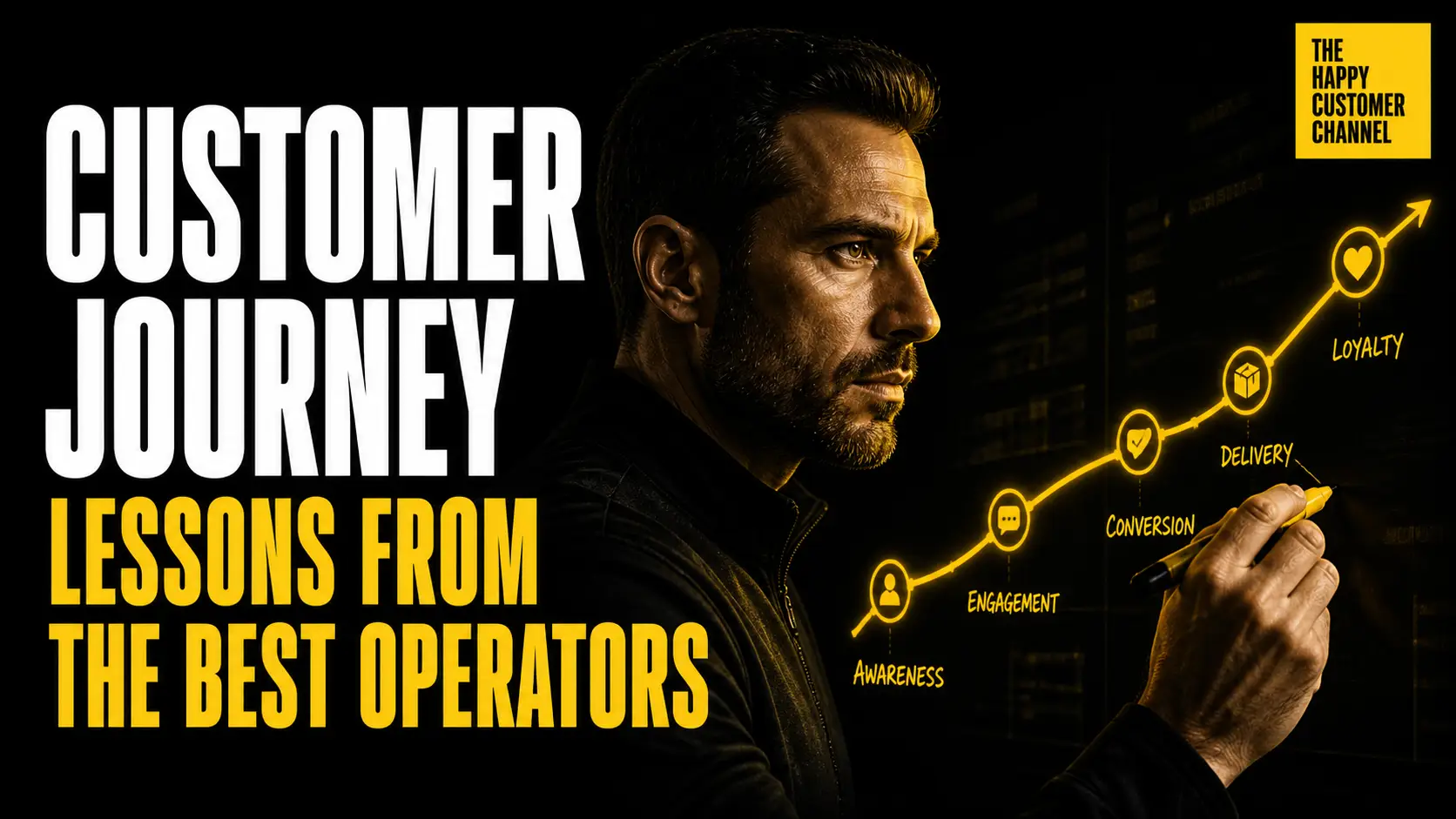
Customer Journey Mastery: Operator-Level Lessons for Experience & Retention

Are you truly in control of your customer journey, or are you just hoping the pieces fall into place? Hope is not a strategy. Operators who win know that customer experience is not a suggestion—it’s a mandate, and it’s enforced every single day. The best in the business have turned the customer journey into their secret weapon for retention. Everyone else is just playing catch-up.

Stop Pretending—Operationalize the Customer Journey

Let’s get something clear: map-making is not management. The customer journey isn’t a brainstormed diagram or a colorful flowchart on your wall. Those are starting points. The real work begins after the “customer journey workshop” ends. Most leaders build that journey once and move on. Then they wonder why NPS slides or why churn doesn’t budge. It’s simple. They never put the journey into action as an operating system—daily, measurable, enforced.

Here’s the truth most won’t admit: if you can’t measure it, you’re not really doing it. Operators who lead in retention already know this. They track transition points, test for real friction, and beat their competition because their maps lead somewhere. Their customer journey is the way things get done, not the way things look in a boardroom. At The Happy Customer Channel, we don’t settle for best-case scenarios. We deal in facts, data, and operational excellence.

Why does this matter? Because the market does not care about your intentions. Customers know when you’re winging it. They know when you improvise. And they remember every drop-off, every unfulfilled promise, every touchpoint that misses the mark. Hope is not a strategy—and your customers will always know the difference.

The Customer Trust Checklist—How Real Operators Win Retention

Retention isn’t built on first impressions. It’s earned at every single interaction. The best operators have a disciplined checklist to make sure the customer journey isn’t just theater. Grab this, put it on your wall, make it a living part of how you work:

  • Proactively fix friction: Are you finding pain points before your customers complain, or are you just apologizing after the fact?
  • Standards for every touchpoint: Is each handoff, email, invoice, and support reply clearly defined—or do you wing it?
  • Built-in accountability: Are mistakes buried, or is there operational discipline to fix breakdowns, not just outcomes?
  • Metrics that matter: Are you looking at what the customer sees and feels, or hiding behind vanity stats that make you look good and solve nothing?
  • Closing the loop: When something goes wrong—or right—does the customer feel heard and valued, or just processed?

Use this checklist. Run it monthly, if not weekly. If the answer is “no” to any of these, that’s your signal. Don’t delegate this. Lead it. Operators who win at retention do so because they earn trust in small, relentless, visible ways. Every single day. That’s not an accident. That’s leadership discipline—translated directly into customer loyalty and higher retention.

One thing I’ve seen: businesses that treat customer journey as a living process win the long game. Everyone else races for one-off wins and hopes for the best. There’s zero magic here—just process, focus, and standards.

Discipline or Drift—Why Strategy Dies Without Operating Standards

I see it everywhere—companies with “CX strategies” that are all sizzle, no steak. Failing journeys aren’t rare; they’re the default. Why? Because strategy in a vacuum dies fast. You can build a stunning journey map, hire great designers, pump up your mission statement—none of that matters if you don’t embed operational standards. If the customer journey isn’t enforced at every level, you’ve built a house on sand.

This is the hard reality: businesses that actually win at customer experience make standards the backbone of every review, role, and decision. They don’t just talk about customer obsession. They operationalize it. Every single touchpoint is accountable to a standard, not just an aspiration. If you don’t drill that into your culture, your competitors will beat you to it. Simple as that. This is why customer experience strategy fails without operating standards.

Let’s make it practical. Accountability doesn’t mean micromanagement. It means visible, actionable, measurable processes—ones that get reviewed, fixed, and upgraded on a regular cycle. Your journey should be a living thing. Change fast, adapt faster, and the customer feels it. Wait until the data is ugly, and you’ve already lost trust. I want every leader reading this to ask themselves: when was the last time you walked your customer journey—end to end—as a real customer? If you don’t know, your standards are just suggestions. And suggestions lose every single time.

Final Thoughts

You can’t fake a great customer journey. Customers are relentless. So are your competitors. Operators who treat the customer journey as a system—measured, disciplined, alive—earn trust and retention as a natural outcome. Doing this isn’t a “nice to have.” It’s table stakes. The difference is leadership discipline. Stop improvising. Build the journey you want your brand to be remembered for.

Want real-world, operator-level CX strategies in your inbox? Join our newsletter and get ahead—before your competitors do.

Common Questions

How do I spot the real friction points in my customer journey—not just what shows up on surveys?

Listen…surveys only tell you what customers are willing to say. What matters is where they actually act. Track their behavior. Where do they hesitate, drop out, or complain? Dig into the data—time between steps, repeated questions, abandoned carts. The best operators do root-cause analysis, not just apologies. At the end of the day, the breaking points are always in the transitions. Watch how the journey really unfolds, not just how you wish it did.

What metrics actually matter for measuring customer journey success?

Here’s the reality: vanity metrics don’t move the needle. You want leading indicators—time to value, repeat engagement, moments when customers go off-script and ask for help. Unplanned contacts are gold; they tell you where the journey isn’t working. Lagging metrics like NPS or CSAT are nice, but they’re after the fact. If you can spot trouble early, you save the relationship—and the revenue—before it’s too late.

How do you get frontline teams to actually follow customer journey standards?

Let’s be blunt: standards without accountability are just dreams. You need to train, coach, and measure—every day. Make the expected behaviors visible. Reward consistency. Call out gaps immediately. Great operators don’t “hope” people follow the journey—they build it into onboarding, reviews, and daily huddles. If your team sees it’s non-negotiable, they’ll deliver. If not, your standards will collect dust. Don’t wish for compliance; demand it.

Isn’t the customer journey always changing? How do we keep up?

Absolutely, the customer journey isn’t static. But the smartest operators don’t panic—they build feedback loops right into the process. Review journeys quarterly. Workshop them after big changes. Ask your customers directly, then validate with data. Adapt on purpose—don’t get dragged into haphazard change. Make your process living, not locked. If you treat change as routine, your journey will always be one step ahead.