Business Meeting Preparation: A Research Checklist

THCC Insights

Business Meeting Preparation: A Research Checklist

The Happy Customer Channel ·

EP. 15 – Luis “Wicho” Hernandez of Coastal Wealth | Business Lessons from the Dugout

Business meeting preparation should help you ask better questions and understand the decision in front of you. Research the participants’ relevant work, verify the facts you plan to use, and identify what remains uncertain. A large folder of background material is useful only if it improves the conversation.

In Episode 15, Luis “Wicho” Hernandez recalls methodical coaching preparation and describes researching opponents for his broadcasting work. His examples come from the original 2023 interview. The practical tool below is THCC’s editorial application of that discussion; it is not a checklist the guest delivered word for word.

Decide what the meeting needs to accomplish

Write the practical purpose in one sentence. Are you learning about a customer’s situation, evaluating a collaboration, or resolving an operating question? Distinguish the outcome you hope for from a commitment the other person has already made.

Use that purpose to limit research. A customer discussion may require understanding the current service and recent public company information. It rarely needs a collection of unrelated personal details. Stay with information relevant to the work.

Prepare a one-page brief

  • Purpose: The decision or learning the meeting should support.
  • Known facts: Relevant information, its source, and whether it is current.
  • Open questions: What you need the participant to explain.
  • Potential constraints: Dependencies or limits to confirm, rather than assume.
  • Next step: The kind of action that could follow a useful conversation.

Mark old information clearly. A job title, product capability, or company priority may have changed. When a fact matters to your question, verify it or introduce it as something you want to confirm.

Prepare to listen as well as present

Turn research into open questions. “I saw your team introduced this service; how has that changed the work?” leaves room for an explanation. A long statement demonstrating everything you found can make it harder to learn what matters now.

For a fictional partnership meeting, list the customer need you think both teams serve, then ask each participant to correct that assumption. The objective is shared understanding before a proposal, not a performance of certainty.

Review the notes after the conversation

Separate confirmed facts, interpretations, and promised actions. Record who owns the next step and which question remains unanswered. Update the brief while the distinction between what you knew beforehand and what you learned is still clear.

How much preparation is enough?

Enough to explain the meeting’s purpose, ask informed questions, and avoid preventable factual mistakes. Add depth when the decision requires it. More research is not automatically better if it displaces the work of listening during the meeting.

Watch the source conversation

Watch Episode 15 for the complete interview and its original context.

Continue with leadership listening skills, or explore more entrepreneurship conversations and guides.

First Customer Review Meeting: A Practical Agenda

THCC Insights

First Customer Review Meeting: A Practical Agenda

The Happy Customer Channel ·

Episode 5 Thumbnail

A first customer review meeting should compare the original promise with the customer’s actual experience. Confirm what is working, identify unfinished work, and agree on specific next steps. The meeting becomes useful when both sides leave with the same understanding of what happens next.

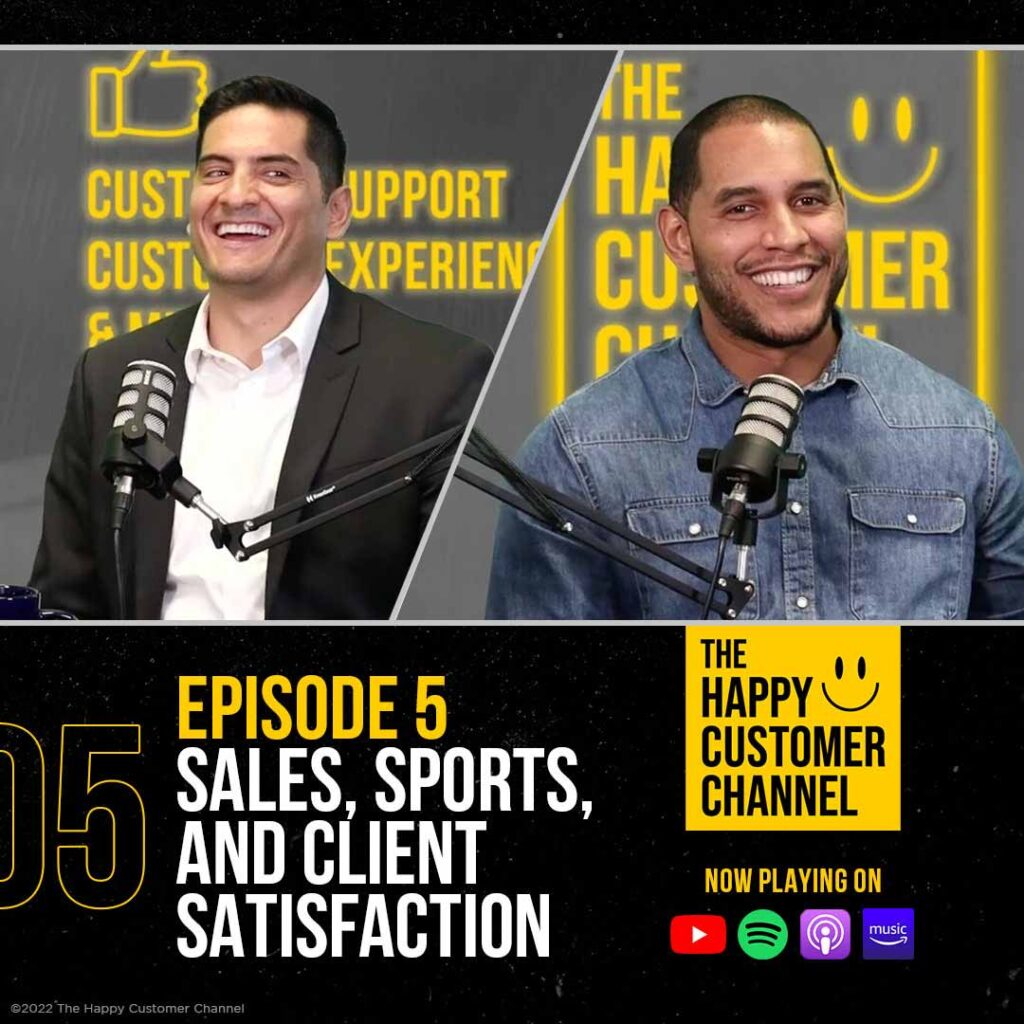
In Episode 5, Jacobo discusses the satisfaction of keeping long-term customer relationships alongside the excitement of winning new business. The practical tool below is THCC’s editorial application of that discussion; it is not a checklist the guest delivered word for word.

Prepare from the customer’s starting goal

Review the original objective, onboarding record, and unresolved commitments before scheduling the conversation. Ask the customer which people should join and what they want to address. A review about daily use may need different participants from a commercial renewal discussion.

Bring evidence you can explain. If usage information is incomplete, label it. Do not assume low recorded activity means the customer is dissatisfied, or that a completed internal onboarding checklist means they can use the service independently.

Use this five-part agenda

  1. Original goal: Is the reason for buying still accurate, or has the customer’s situation changed?
  2. Actual experience: What has the team tried, used, or found difficult?
  3. Open commitments: What remains unresolved, and what is its practical impact?
  4. Next improvement: Which useful action should happen first?
  5. Ownership: Who will do what, and when will both sides review the result?

Give the customer space to describe the work before presenting a long performance deck. A fictional buyer may be comfortable with the product but unable to get a colleague set up. That creates a different next action from a dissatisfaction with the core service.

Keep the action recap short

  • What the customer confirmed about their goal and experience.
  • The unresolved issue or opportunity, without overstating the evidence.
  • The next action and its named owner.
  • The agreed update or review point.

Send the recap through the agreed channel and invite correction. Keep proposed actions separate from completed work. If another team must deliver the next step, make that handoff visible to the account owner.

Should the first review include an upsell?

An additional service may be relevant, but first understand the current experience and any unfinished promise. Explain why an option fits the customer’s stated need. Do not turn the meeting into a sales presentation that leaves the original problem unaddressed.

Use patterns across these reviews to improve onboarding and delivery. A recurring question may belong in the standard customer guidance; a recurring failure may require an operating change.

Watch the source conversation

Watch Episode 5 for the complete interview and its original context.

Continue with the customer experience after purchase, or explore more customer experience conversations and guides.

Customer Escalation Matrix: Clarify Who Can Decide

THCC Insights

Customer Escalation Matrix: Clarify Who Can Decide

The Happy Customer Channel ·

How to Handle Angry Customers with the LAURA Framework

A customer escalation matrix should clarify the decision that needs help, the person authorized to make it, and the employee who keeps the customer informed. Escalation can bring in expertise or approval while the original contact continues coordinating the problem.

In Alvaro D’Amico and Peter Muir — customer care, D’Amico describes investigating a customer problem, seeking approval for a remedy, and maintaining ownership of the conversation. The practical tool below is THCC’s editorial application of that discussion; it is not a checklist the guest delivered word for word.

Separate ownership from authority

The person handling a conversation may not control every remedy. That does not mean they have to abandon the customer when a decision requires another person. Define ownership as responsibility for context, coordination, and updates; define authority as permission to make a particular decision.

Base the matrix on your actual policies and service obligations. A generic example cannot determine refund limits, account access, safety procedures, or regulated decisions for your business. Have the responsible managers approve the completed operating rules.

Build the matrix around decisions

  • Routine correction: What can the employee verify and correct within their existing authority?
  • Exception: Which proposed remedy requires approval, and who can approve it?
  • Specialist issue: Which technical or other expertise must investigate before anyone promises a resolution?

For every row, add the information required, the approval contact, a backup contact, and the customer-update owner. Use a next-update commitment the team can meet. Do not invent a universal response time that your staffing model cannot support.

Test it with a fictional case

Imagine a customer has received an incorrect service booking. The agent can verify the original request, but a replacement appointment requires a scheduling supervisor. The agent records the relevant context, sends a focused approval request, and tells the customer when the next update will arrive.

A useful approval request states the decision needed, verified facts, the customer impact, and the proposed action. Avoid forwarding a long conversation with “please advise” and no clear question. Where a specialist is investigating, say what remains unknown.

Check the customer’s experience of the escalation

  • Does the next person receive the context already gathered?
  • Does the customer know who will contact them next?
  • Can the owner see whether approval was granted or work completed?
  • Is there a fallback if the named approver is unavailable?

Use recurring cases to update the matrix. If ordinary work repeatedly needs senior approval, examine whether the policy, training, or access is creating unnecessary delay. Keep the approval rule and the communication responsibility explicit.

Does an escalation always mean transferring the call?

No. Some cases need a transfer; others need a decision or specialist task behind the scenes. Choose the appropriate route and explain it accurately, rather than treating a transfer as proof that the issue is resolved.

Watch the source conversation

Watch Alvaro D’Amico and Peter Muir — customer care for the complete interview and its original context.

Continue with customer journey handoff ownership, or explore more customer service conversations and guides.

Hospitality Peak-Season Debrief: Turn Problems Into an Action Plan

THCC Insights

Hospitality Peak-Season Debrief: Turn Problems Into an Action Plan

The Happy Customer Channel ·

Hospitality Customer Service Leadership Tips

A hospitality peak-season debrief should produce a short list of changes the team can test before demand returns. Recount the service breakdown, identify the operating gap, and assign an owner who can verify that the fix works. A meeting full of memories is not yet a preparation plan.

In Ramon Martinez — hospitality leadership, Martinez recalls a difficult high season and explains how the team used notes, action plans, and meetings before the following season. The practical tool below is THCC’s editorial application of that discussion; it is not a checklist the guest delivered word for word.

Start with specific service moments

Bring examples from the actual work: an arrival queue, an unresolved guest request, missing equipment, or an unclear escalation. Distinguish documented events from impressions. Where records are incomplete, label the gap and decide what should be captured next time.

Invite the people who performed the work as well as those who supervise it. Ask what prevented them from completing the task. A complaint about attitude may conceal a missing resource or a decision nobody had authority to make.

Use a debrief agenda that leads to decisions

  1. Describe the customer impact of one recurring breakdown.
  2. Reconstruct the sequence: what happened before, during, and after it?
  3. Identify the resource, training, ownership, or coordination gap.
  4. Choose a change small enough to test.
  5. Assign an owner, a check date, and evidence of readiness.

Keep the discussion on the work. For a fictional hotel, “arrivals were chaotic” is too broad. “The evening team could not see which requests the earlier team had promised” points to a handoff that can be redesigned and checked.

Record the next season’s action plan

  • Breakdown: The task and customer impact.
  • Change: What will work differently next time.
  • Owner: The person responsible for completing it.
  • Readiness check: A demonstration, practice scenario, or other observable test.
  • Open dependency: A decision or resource another person must provide.

Choose a review point early enough to fix a failed test. If the change depends on a system update, confirm that staff can use the updated process; a delivery date alone is not proof of operational readiness.

How many improvements should a debrief produce?

There is no useful universal number. Prioritize recurring customer impact and changes the team can actually complete. Keep a visible backlog for the rest, and review whether the selected actions prevent the original breakdown in practice.

Watch the source conversation

Watch Ramon Martinez — hospitality leadership for the complete interview and its original context.

Continue with repeatable customer experience standards, or explore more customer experience conversations and guides.

How to Offer Alternatives When You Cannot Fulfill a Request

THCC Insights

How to Offer Alternatives When You Cannot Fulfill a Request

The Happy Customer Channel ·

Hospitality Customer Service Leadership Tips

Offer customer service alternatives by identifying the result the customer needs, checking what you can actually provide, and explaining the tradeoffs between realistic options. A list of unrelated substitutes adds work for the customer. A useful choice connects directly to the original difficulty.

In Ramon Martinez — hospitality leadership, Martinez explains why understanding the guest’s need and offering choices can be more useful than defaulting to a refusal. The practical tool below is THCC’s editorial application of that discussion; it is not a checklist the guest delivered word for word.

Find the need behind the requested solution

Ask a short clarifying question before proposing a substitute: “What does this arrangement need to make possible for you?” A request for one specific time, room, or delivery method may reflect a broader need. Listen for that need without assuming you already know it.

Then state the constraint accurately. Do not imply that an unavailable item can be provided if a customer insists. Equally, do not use a broad policy statement when the practical limitation is narrower and can be explained clearly.

Prepare options with honest tradeoffs

  • Needed outcome: What is the person trying to accomplish?
  • Constraint: What is unavailable, and what is confirmed?
  • Available choices: Which options genuinely address the need?
  • Tradeoffs: What changes in timing, location, cost, or scope?
  • Authority: Which option can you offer now, and which needs approval?

Do not manufacture extra choices simply to provide a longer list. If one workable option exists, explain it. If no suitable option exists, acknowledge that gap and say what further help is available. An apparent choice between two unsuitable outcomes is unlikely to make the conversation more useful.

Try a needs-based response

I understand that [needed outcome] matters here. [Requested arrangement] is unavailable. We can offer [option A with its limitation], or [option B with its limitation]. Would either help you accomplish that, or is there another constraint I should understand?

For a fictional appointment request, an alternative might preserve the date at another location or preserve the location at a later time. Those choices solve different priorities. Ask which priority matters rather than selecting for the customer.

What happens after the customer chooses?

Confirm the selected option, the person handling it, and any commitment that still needs verification. Check later whether it solved the practical problem. Acceptance in the moment and a successful outcome are different observations.

When the same unavailable request keeps appearing, share the pattern with the person who owns the service design. A good response helps the current customer; a useful record can also reveal an expectation the business should clarify.

Watch the source conversation

Watch Ramon Martinez — hospitality leadership for the complete interview and its original context.

Continue with the LAURA customer-care framework, or explore more customer service conversations and guides.

Questions to Ask a Digital Marketing Agency Before Hiring

THCC Insights

Questions to Ask a Digital Marketing Agency Before Hiring

The Happy Customer Channel ·

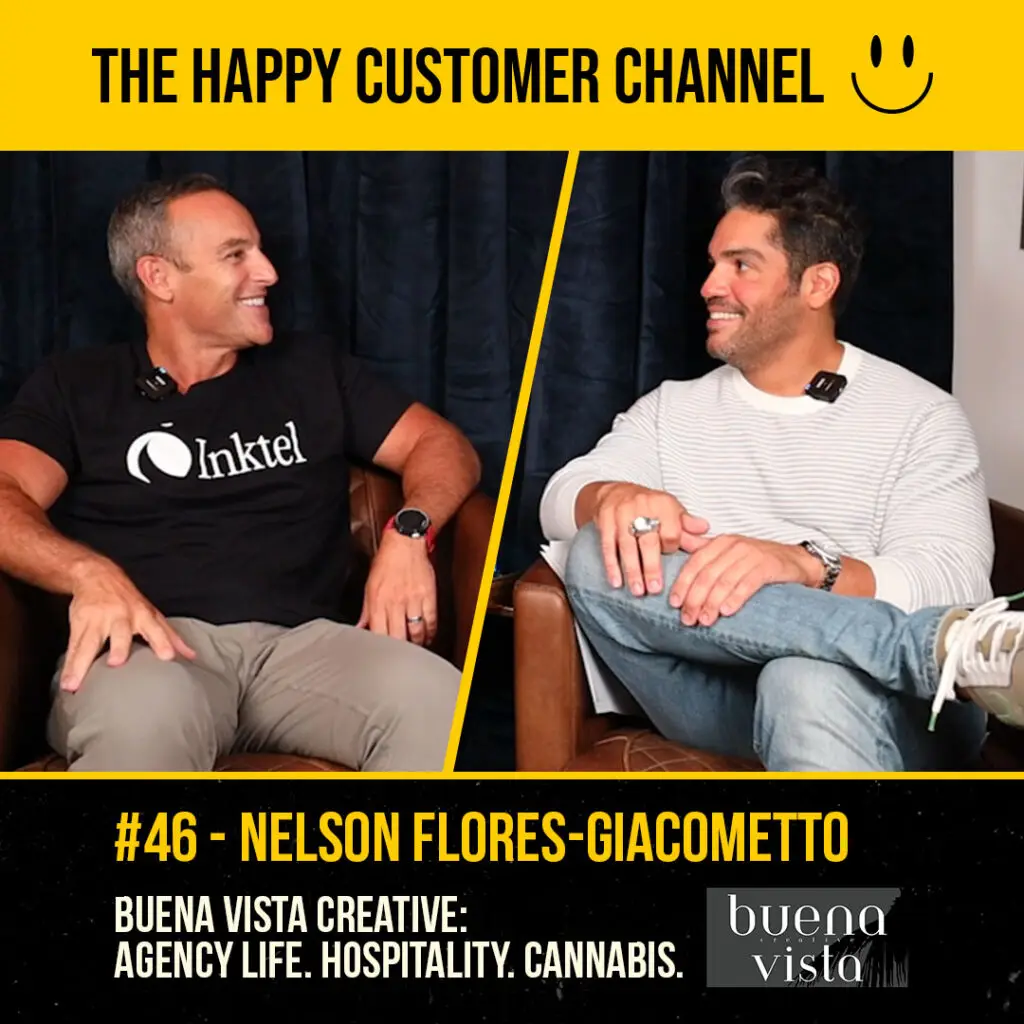
EP. 46 – Nelson Flores-Giacometto | Buena Vista Creative: Agency Life. Hospitality. Cannabis.

Before hiring a digital marketing agency, ask how it will learn your business, translate that understanding into a plan, and make progress visible. A list of services tells you what the agency offers. The discovery conversation should show how those services would address your particular situation.

In Episode 46, Nelson Flores-Giacometto emphasizes understanding a client’s business, asking exploratory questions, and finding an agency that works as a partner. The discussion is from 2024. The practical tool below is THCC’s editorial application of that discussion; it is not a checklist the guest delivered word for word.

Bring a business question to the discussion

Explain the change you want, your current customer journey, and the work your team can support. Separate the business objective from an assumed channel. “We need more qualified inquiries” gives an agency a different problem from “we need to publish on every platform.”

State what is known and what needs investigation. If you cannot yet trace an inquiry to its source, say so. That gap belongs in the proposed work rather than being hidden beneath an ambitious traffic target.

Ask questions that reveal the working relationship

  • What do you need to learn before recommending a plan?
  • How would you understand our customer, offer, and brand voice?
  • What would you investigate first, and why?
  • Who would perform the work and communicate with our team?
  • What would you need from us to keep delivery moving?
  • How would you distinguish activity, inquiries, and business outcomes in reporting?
  • How are account access, created assets, and the end of the engagement handled?

Ask for explanations and relevant examples rather than accepting a confident answer at face value. A provider should be able to identify assumptions and limits. Clarify the actual scope and commitments in the proposed agreement with the appropriate reviewers.

Compare evidence, not presentation styles

Create a small record for each agency: problem understood, proposed first investigation, working team, client responsibilities, reporting approach, and unresolved questions. Write what was demonstrated separately from what was promised.

A fictional agency proposing a website overhaul should be able to explain the visitor problem it intends to solve. That does not require a complete strategy before engagement, but it should show a connection between the recommendation and the information available.

What is a useful next step?

It may be a scoped investigation, a relevant reference conversation, or clarification of the proposal. The next step should reduce a real uncertainty. Avoid selecting a provider simply because it offered the longest service list.

No agency conversation can establish a guaranteed ranking or lead outcome. Evaluate the quality of the investigation, the clarity of the working relationship, and whether the stated commitments are ones both parties can fulfill.

Watch the source conversation

Watch Episode 46 for the complete interview and its original context.

Continue with what a useful pre-sale experience looks like, or explore more entrepreneurship conversations and guides.

Customer-Focused Sales Discovery Questions

THCC Insights

Customer-Focused Sales Discovery Questions

The Happy Customer Channel ·

Episode 5 Thumbnail

Customer-focused sales discovery questions help a salesperson understand the work a buyer needs to improve before recommending a solution. Ask about a recent example, the current workaround, the desired change, and the people involved. Then agree on a next step that fits what you learned.

In Episode 5, Erwin Jacobo distinguishes chasing a sale from understanding the customer and offering a useful solution. He connects new business with lasting client relationships. The practical tool below is THCC’s editorial application of that discussion; it is not a checklist the guest delivered word for word.

Begin with work the customer can describe

“Tell me about the last time this happened” usually gives you more to investigate than a broad request for a wish list. Ask what triggered the task, who became involved, and what the customer did when something failed. Let the answer shape the next question.

A question list is preparation, not a script to complete regardless of the conversation. If the buyer already explained a constraint, acknowledge it. Repeating a question simply because it appears next on your form can make the conversation feel disconnected.

Use these discovery prompts

  • What prompted you to look at this now?
  • How are you handling the work today?
  • Can you describe a recent example that did not go as planned?
  • What would a useful improvement allow your team to do?
  • Who else performs the work or needs to evaluate a change?
  • Which constraints should we understand before proposing an approach?
  • What information would help you decide on a next step?

Avoid turning a question into a disguised claim about your product. If you need to demonstrate a capability, first confirm that it addresses the customer’s actual concern. Be clear when a capability or result still needs verification.

Write a short discovery record

Capture the trigger, current workflow, practical impact, desired change, involved roles, and unresolved questions. Add the customer’s agreed next action. Keep a customer statement separate from a salesperson’s interpretation so the team can tell which assumptions need checking.

For a fictional service provider, the buyer may ask for more staffing while describing missed updates between shifts. That discovery does not prove staffing is unnecessary. It gives both parties a specific handoff to investigate before choosing a solution.

Close with an accurate recap

Summarize what you understood and invite correction. Explain what you can demonstrate, what requires further investigation, and who will provide the next information. A useful recap should help the customer recognize their own problem in the proposed next step.

What if the customer is not a fit?

Say where the fit is uncertain and avoid promising a capability you cannot provide. A discovery call has produced useful information when it prevents an unsuitable commitment as well as when it leads to a relevant proposal.

Watch the source conversation

Watch Episode 5 for the complete interview and its original context.

Continue with the pre-sale customer experience, or explore more customer experience conversations and guides.

Customer Service Role-Play: A Practical Coaching Session

THCC Insights

Customer Service Role-Play: A Practical Coaching Session

The Happy Customer Channel ·

How to Handle Angry Customers with the LAURA Framework

A customer service role-play works best when the team practices one difficult decision, observes what the employee actually does, and tries the conversation again after feedback. Rehearsing a perfect script can miss the judgment required when a customer’s situation changes.

In Alvaro D’Amico and Peter Muir — customer care, Peter Muir introduces LAURA, and Alvaro D’Amico discusses listening, human communication, and taking ownership of the customer’s problem. The practical tool below is THCC’s editorial application of that discussion; it is not a checklist the guest delivered word for word.

Choose a realistic decision, not an exaggerated argument

Start with a situation the team encounters: a missed update, an unavailable request, or a customer who has already explained the problem to someone else. State what the employee knows, what remains uncertain, and which actions are permitted. Do not use identifiable customer records as practice material.

Keep the first exercise narrow. A fictional customer can be frustrated about an unexplained delay without becoming abusive. The learning objective might be to uncover the practical impact and agree on a reliable next update.

Use this practice scenario

A customer was promised an update yesterday and received none. They need to know whether a service visit will happen before they leave town. The agent can check the current schedule and arrange a supervisor review, but cannot promise an unconfirmed appointment.

One colleague plays the customer, another the agent, and a third observes. Give the customer a genuine constraint to reveal when asked. That encourages discovery rather than a performance in which everyone already knows the answer.

Observe behaviors you can discuss

  • Did the agent allow the customer to explain the situation?
  • Did they acknowledge the missed commitment specifically?
  • Did they check what the delay means for the customer?
  • Did they distinguish a confirmed fact from a proposed next step?
  • Did they take responsibility for an update without promising unavailable service?

Use the framework as a coaching aid. The employee does not need to recite its letters or use a prescribed emotional phrase. An observer should be able to point to the moment the agent understood the issue and the action that followed.

Debrief, then repeat the difficult moment

Ask the agent what they understood, the customer what remained unclear, and the observer which behavior helped. Select one change for the second attempt. Repeating that moment gives the employee a chance to apply the feedback immediately.

If the exercise exposes an unclear approval rule or unavailable information, record an operating action for the supervisor. Training should not be used to compensate indefinitely for a process employees cannot execute.

Should a role-play be scored?

A short behavior checklist can make feedback consistent. Use it to identify a next practice step, and keep the discussion specific. A total score alone tells an employee little about what to change in the next customer conversation.

Watch the source conversation

Watch Alvaro D’Amico and Peter Muir — customer care for the complete interview and its original context.

Continue with customer experience operating standards, or explore more customer service conversations and guides.

Service Recovery Follow-Up: A Message and Closure Checklist

THCC Insights

Service Recovery Follow-Up: A Message and Closure Checklist

The Happy Customer Channel ·

Hospitality Customer Service Leadership Tips

A service recovery follow-up should confirm what changed, ask whether the proposed remedy worked, and explain who will handle anything still unresolved. Sending an apology or marking a ticket closed does not establish that the customer can now do what they needed to do.

In Ramon Martinez — hospitality leadership, Martinez distinguishes offering a resolution from following up and following through. He describes checking back to find out whether the guest is satisfied with the outcome. The practical tool below is THCC’s editorial application of that discussion; it is not a checklist the guest delivered word for word.

Check the action before contacting the customer

Look at the actual remedy. Was a promised replacement dispatched, an access issue corrected, or a return visit arranged? If the action is incomplete, say so. Do not write a message implying the problem is fixed because an internal team accepted the request.

Choose a follow-up moment that fits the remedy. A customer needs a reasonable opportunity to try the change. Where another team owns delivery, confirm that team’s next update and keep a named contact responsible for the customer conversation.

Adapt this follow-up message

Hello [name], I’m following up on [issue]. We have completed [verified action]. Has that resolved [specific difficulty] for you? If anything is still getting in the way, reply here and I’ll coordinate the next step. [If applicable: Our next update is due by agreed time/date.]

This is an editorial template, so replace every bracket with an accurate detail. The wording should fit the channel and relationship. Avoid demanding a positive review or implying the customer must accept the remedy because the business has completed its internal procedure.

Use a closure checklist that preserves uncertainty

  • Original difficulty and its practical impact are recorded.
  • The promised action has a verified completion state.
  • The customer has been asked whether the action worked.
  • Any remaining difficulty has an owner and next update.
  • The record distinguishes customer-confirmed resolution from no response.

No response is its own state. Record contact attempts according to your normal policy, without converting silence into satisfaction. If the customer says the remedy did not help, reopen the problem definition rather than simply repeating the same offer.

What if the promised fix is delayed?

Explain what is complete, what is pending, and when you can provide a reliable next update. For example, a fictional support team might confirm that access was restored while acknowledging that a separate data correction remains open. Keeping those actions separate gives the customer a clearer picture.

Use repeated follow-up failures as an operating signal. If agents repeatedly lack reliable completion information, improve that handoff before rewriting the message again.

Watch the source conversation

Watch Ramon Martinez — hospitality leadership for the complete interview and its original context.

Continue with the post-purchase customer experience, or explore more customer service conversations and guides.

Customer Service Shift Checklist: Ready Before the Rush

THCC Insights

Customer Service Shift Checklist: Ready Before the Rush

The Happy Customer Channel ·

Hospitality Customer Service Leadership Tips

A customer service shift checklist should tell a supervisor whether the team can deliver the service it is about to promise. Check access, everyday supplies, open customer issues, and available support before the queue grows. When something is missing, assign a fix instead of recording a tick and moving on.

In Ramon Martinez — hospitality leadership, Martinez separates the tools, materials, and support employees need to perform their work. He gives everyday examples such as working systems, guest keys, and pens. The practical tool below is THCC’s editorial application of that discussion; it is not a checklist the guest delivered word for word.

Separate readiness from attendance

A full roster does not show whether people can complete their tasks. A colleague may be present but unable to access the booking system. A workstation may function while the materials needed to finish a request are missing. Ask employees to demonstrate the ordinary task they are about to perform.

Keep the check relevant to the role. A front-desk colleague, support agent, and floor supervisor need different resources. Put shared checks at the top, then add a short role-specific section. Avoid a long form filled with items nobody owns.

Use this pre-shift checklist

  • Tools: Can the employee access the systems and equipment required for today’s work?
  • Materials: Are the physical or digital items needed to complete a normal request available?
  • Capability: Which tasks can this person perform independently, and where do they still need support?
  • Open work: Which unresolved customer commitments carry into this shift, and who owns each one?
  • Backup: Who can answer a question, approve an exception, or cover an interruption?

For each gap, record an owner and the next action. An access problem needs someone who can restore access; a training gap may need a supervisor beside the employee. Calling both problems “not ready” hides the different responses they require.

Turn a missing item into a clear operating decision

Consider a fictional front desk where a new colleague cannot issue replacement keys independently. The supervisor can arrange supported coverage, confirm the required training, and explain who handles the request meanwhile. The checklist has helped only when the team knows how to serve the next guest.

Review recurring gaps after the shift. If the same supply or login problem appears repeatedly, move it into the operating improvement list. A daily checklist should expose recurring work, not make the team normalize it.

Does every check need a new software system?

No. A short shared record can work if the team can see the current state, identify the owner, and carry unresolved items into the next shift. Start with those requirements, then choose a tool that fits.

Watch the source conversation

Watch Ramon Martinez — hospitality leadership for the complete interview and its original context.

Continue with customer experience operating standards, or explore more customer experience conversations and guides.